


Turkish Limestone Supply for Importers
DMR Limestone manufactures and exports Turkish limestone for natural stone importers, wholesalers, distributors, building-material suppliers and project procurement companies worldwide.
We supply standard and project-specific limestone products for:
- Residential construction
- Luxury villas
- Hotels and resorts
- Commercial buildings
- Swimming pools
- Landscape projects
- Interior flooring
- Exterior paving
- Façade cladding
- Restoration projects
- Stone showrooms
- Distribution warehouses
- Private-label collections
Our product range includes:
- Limestone tiles
- Limestone slabs
- Limestone pavers
- Façade panels
- Wall cladding
- Pool coping
- Pool-deck stone
- Stair components
- Window sills
- Door and window surrounds
- Wall caps
- Pier caps
- Fireplace surrounds
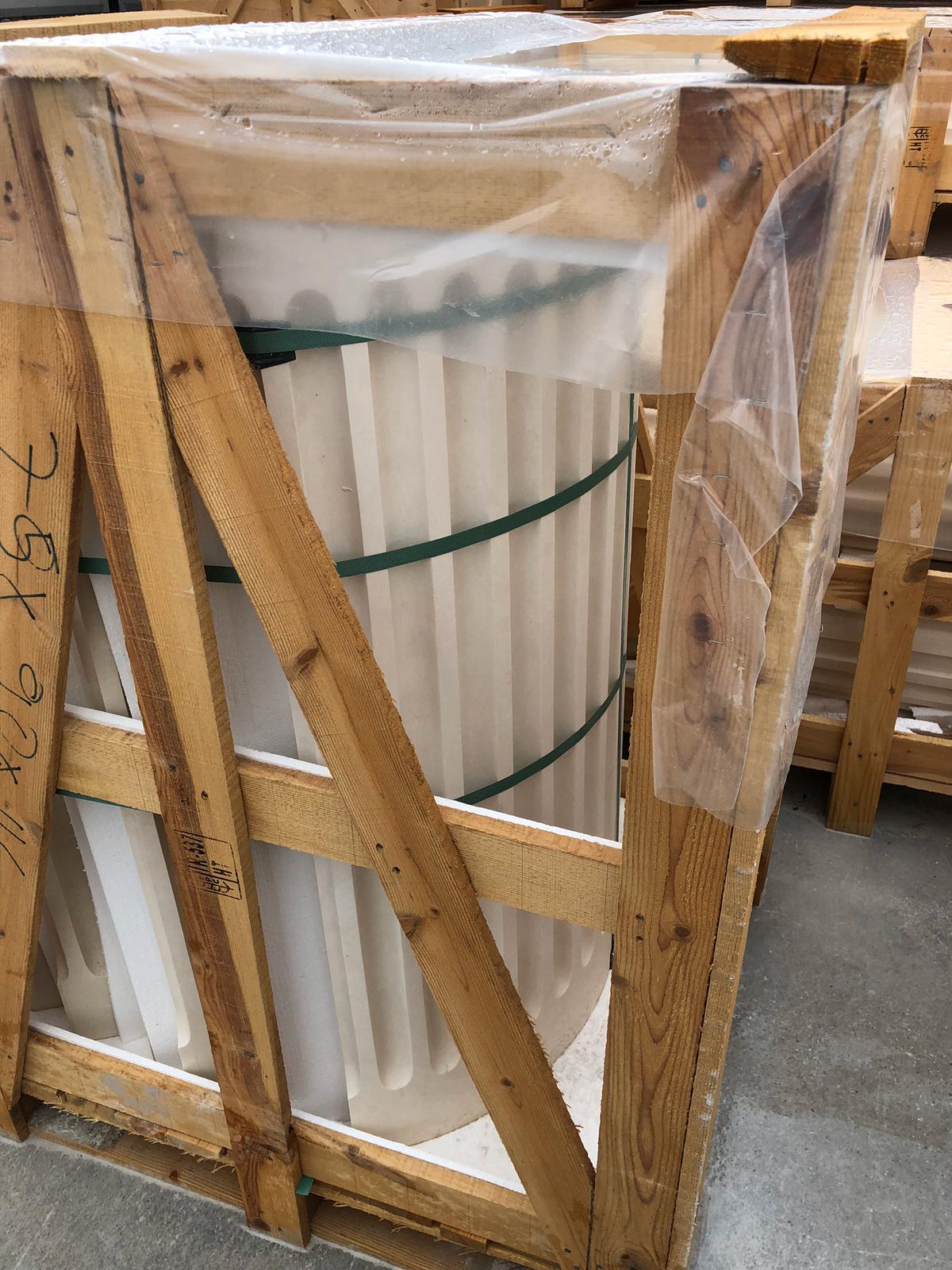
- Columns
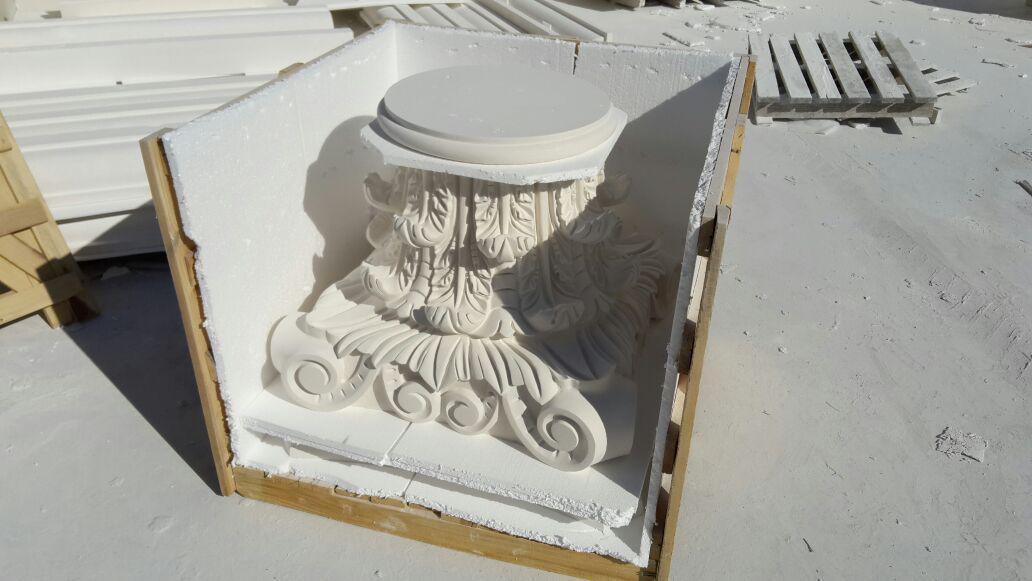
- Capitals
- Balustrades
- Cornices
- Curved limestone
- Carved architectural stone
- Custom cut-to-size products
DMR Limestone supports importers with material selection, sample preparation, product development, quality control, export packaging and container planning.
Turkish Limestone Export Supply
Turkey is an important source of architectural limestone for international construction and natural stone markets.
Our material categories include:
- Turkish limestone
- Limra limestone
- White limestone
- Antalya limestone
- Beige limestone
These materials may be produced with different finishes and dimensions according to:
- Local market preferences
- Warehouse stock requirements
- Architectural projects
- Retail collections
- Contractor orders
- Landscape applications
- Pool and exterior products
The final limestone selection should be based on colour, natural variation, technical characteristics, finish, dimensions and intended application.
Limestone Products for Importers
Importers may source individual product categories or coordinated mixed-product programmes.
Available product groups may include:
Limestone Tiles
Tiles may be produced for:
- Interior flooring
- Interior wall cladding
- Hotel interiors
- Residential construction
- Restaurants
- Retail interiors
- Covered terraces
Visit our limestone tiles page.
Limestone Slabs
Slabs may be supplied for:
- Local cut-to-size fabrication
- Large-format flooring
- Interior wall panels
- Fireplaces
- Stair landings
- Architectural components
- Custom furniture
Visit our limestone slabs page.
Limestone Pavers
Pavers may be produced for:
- Patios
- Terraces
- Pool decks
- Garden paths
- Courtyards
- Hotel landscapes
- Entrance plazas
- Outdoor dining areas
Visit our limestone pavers page.
Limestone Wall Cladding
Wall products may include:
- Standard rectangular panels
- Horizontal cladding
- Large-format panels
- Exterior wall stone
- Interior wall tiles
- Feature-wall panels
- Custom façade components
Visit our limestone wall cladding page.
Limestone Façade Panels
Project-specific façade products may include:
- Standard panels
- Large-format panels
- Mechanically fixed panels
- Curved panels
- Corner pieces
- Entrance surrounds
- Cornices
- Window surrounds
Visit our limestone facade panels page.
Limestone Pool Coping
Pool products may include:
- Straight-edge coping
- Bullnose coping
- Half-bullnose coping
- Drop-face coping
- Curved coping
- Radius corners
- Infinity-pool coping
- Overflow-channel pieces
Visit our limestone pool coping page.
Cut-to-Size Limestone
Custom production may include:
- Flooring
- Wall panels
- Stair treads
- Window sills
- Pool coping
- Fireplace components
- Wall caps
- Curved pieces
- Architectural elements
Visit our custom cut-to-size limestone page.
Wholesale Limestone Supply
Wholesale limestone programmes may be developed for importers requiring repeatable product collections.
A wholesale collection may include:
- Standard tile sizes
- Paver sizes
- Modular patterns
- Pool coping
- Stair treads
- Window sills
- Wall caps
- Slabs
- Matching accessories
The collection should define:
- Limestone selection
- Approved colour range
- Surface finish
- Product dimensions
- Thickness
- Edge treatment
- Packaging quantity
- Crate identification
- Label format
- Quality criteria
Standardisation supports easier stock management and repeat ordering.
Project-Based Limestone Supply
Importers may also source stone for individual construction projects.
Project-based orders may require:
- Architectural drawings
- Cutting lists
- Stone schedules
- Façade elevations
- Pool plans
- Staircase details
- Custom profiles
- Piece numbering
- Installation-sequence packaging
Suitable project categories include:
- Villas
- Hotels
- Resorts
- Commercial buildings
- Residential compounds
- Landscape developments
- Swimming pools
- Restoration projects
Limestone for Local Distribution
Importers supplying local distributors or showrooms may order:
- Standard tiles
- Tumbled collections
- Honed flooring
- Exterior pavers
- Pool coping
- Wall cladding
- Slabs
- Sample boards
- Display pieces
- Private-label packaging
Product selection should reflect:
- Local architectural preferences
- Climate
- Common building methods
- Customer price range
- Warehouse capacity
- Local transport limitations
- Market demand
Limestone for Project Procurement
Importers working with contractors and developers may require:
- Material submittals
- Samples
- Colour-range approvals
- Surface-finish approvals
- Technical information
- Shop-drawing coordination
- Custom production
- Inspection reports
- Crate lists
- Shipping documents
Explore our pages for:
- Architects
- Contractors
White Limestone for Importers
White limestone may be imported for:
- Modern façades
- Luxury villas
- Pool landscapes
- Interior floors
- Hotel projects
- Feature walls
- Architectural elements
Its colour may range from:
- Soft white
- Warm white
- Off-white
- Ivory
- Light cream
White limestone import programmes should use representative colour-range samples because natural variation may occur between blocks and batches.
Limra Limestone for Importers
Limra limestone is a well-known Turkish light-coloured limestone associated with the Antalya region.
It may be imported as:
- Tiles
- Slabs
- Wall panels
- Façade panels
- Pavers
- Pool coping
- Stair components
- Window sills
- Architectural stone
Limra limestone may display:
- White to light cream colour
- Fine pores
- Natural fossils
- Shell fragments
- Soft sedimentary markings
Antalya Limestone for Importers
Antalya limestone represents a broader regional category of light-coloured Turkish limestone.
Products may be developed for:
- Villa projects
- Hospitality developments
- Exterior cladding
- Pool and landscape applications
- Interior flooring
- Custom architectural fabrication
Beige Limestone for Importers
Beige limestone is frequently selected for warm residential and landscape design.
It may be supplied as:
- Honed tiles
- Tumbled tiles
- Brushed pavers
- Sandblasted pavers
- Pool coping
- Wall cladding
- Slabs
- Fireplace components
Beige limestone works well in:
- Mediterranean markets
- Traditional architecture
- Rustic-modern interiors
- Villa landscapes
- Hotel courtyards
- Outdoor living spaces
Honed Limestone Collections
Honed limestone has a smooth, matte appearance.
It may be suitable for importer collections focused on:
- Interior flooring
- Wall panels
- Hotel interiors
- Villa interiors
- Fireplaces
- Staircases
- Window sills
Honed products may be supplied in:
- Standard tile sizes
- Large formats
- Planks
- Random lengths
- Modular patterns
- Slabs
Tumbled Limestone Collections
Tumbled limestone has softened edges and an aged appearance.
It is frequently imported for:
- Mediterranean interiors
- Courtyards
- Garden pathways
- French-pattern floors
- Covered terraces
- Rustic-modern projects
Available product options may include:
- Standard tumbled tiles
- French-pattern sets
- Modular flooring
- Random lengths
- Planks
- Exterior pavers
- Brushed-and-tumbled stone
Brushed Limestone Collections
Brushed limestone has a soft, textured and natural appearance.
It may be imported for:
- Pool surrounds
- Exterior paving
- Courtyards
- Covered terraces
- Garden pathways
- Interior–exterior transition areas
- Wall cladding
Sandblasted Limestone Collections
Sandblasted limestone creates a matte, textured and controlled surface.
It may be supplied for:
- Façades
- Exterior paving
- Pool decks
- Garden pathways
- Exterior stairs
- Entrance plazas
- Commercial projects
Private-Label Limestone Products
Private-label production may be considered for importers developing their own limestone collections.
Depending on the project scope, private-label support may include:
- Custom product naming
- Product codes
- Crate labels
- Pallet labels
- Size labels
- Finish identification
- Barcodes supplied by the buyer
- Packaging references
- Installation-zone labels
- Customer-specific documents
The private-label requirements should be confirmed before production and packaging begin.
DMR Limestone does not claim ownership of customer trademarks, names or branding supplied for authorised use.
Custom Limestone Collections
Importers may develop a coordinated collection including:
- Interior tiles
- Exterior pavers
- Pool coping
- Stair treads
- Window sills
- Wall caps
- Wall cladding
- Slabs
- Sample pieces
A collection may use:
- One limestone in several finishes
- Several limestone colours
- Matching indoor and outdoor products
- Standard and premium ranges
- Residential and commercial products
One Stone, Multiple Finishes
A single limestone may be supplied with different finishes for coordinated applications.
For example:
- Honed interior tiles
- Brushed pool-deck paving
- Sandblasted exterior pavers
- Tumbled garden-path stone
- Honed window sills
This helps importers offer a complete material family rather than isolated products.
Mixed-Container Limestone Orders
Mixed-product containers may include several compatible limestone products.
Examples include:
- Tiles and slabs
- Tiles and pavers
- Pavers and pool coping
- Pool coping and wall caps
- Flooring and stair treads
- Wall cladding and façade accessories
- Standard stock products and custom pieces
Mixed-container planning depends on:
- Product weight
- Crate dimensions
- Load distribution
- Product fragility
- Installation sequence
- Container capacity
- Safe stacking
- Customs documentation
- Buyer requirements
Not every product combination is safe or efficient in the same container.
Full-Container Limestone Supply
Full-container orders may be suitable for importers requiring:
- Wholesale tile collections
- Paver programmes
- Slabs
- Pool products
- Large project quantities
- Mixed product groups
Container utilisation should consider both volume and weight.
Natural stone shipments frequently reach the permitted weight limit before all physical container volume is used.
Partial and Consolidated Orders
Smaller quantities may sometimes be coordinated depending on:
- Product type
- Packaging
- Freight options
- Destination
- Current production
- Consolidation feasibility
Partial shipments may have higher logistics costs per square metre or per tonne than full-container orders.
Availability should be reviewed for each enquiry.
Minimum Order Quantities
Minimum quantities depend on:
- Limestone selection
- Product dimensions
- Finish
- Thickness
- Custom fabrication
- Packaging requirements
- Production setup
- Shipping method
Standard tiles may have different minimum quantities from custom façade panels, carved stone or private-label products.
Minimum-order requirements should therefore be confirmed for the specific product programme.
Sample Orders for Importers
Importers may request:
- Material samples
- Finish samples
- Colour-range samples
- Tile samples
- Paver samples
- Pool-coping profiles
- Edge-profile samples
- Full-size display samples
- Sample boxes
- Mock-up components
Samples help importers evaluate:
- Market suitability
- Product colour
- Finish quality
- Natural variation
- Packaging
- Customer presentation
- Local installation requirements
Sample Boards and Displays
Sample boards may be developed using:
- Small stone pieces
- Multiple finishes
- Colour-range samples
- Product codes
- Buyer-provided labels
Importers remain responsible for local marketing claims, installation guidance and compliance information used in their market.
Material Approval Process
A typical material approval process may include:
- Review of importer requirements
- Preliminary limestone selection
- Initial sample preparation
- Surface-finish comparison
- Colour-range approval
- Product-size confirmation
- Edge-profile approval
- Packaging review
- Trial production where required
- Final order confirmation
Colour-Range Approval
Natural limestone may vary in:
- Colour
- Fossil content
- Pores
- Shell fragments
- Sedimentary markings
- Mineral details
- Surface response
A colour range may define:
- Lightest acceptable material
- Darkest acceptable material
- Typical product appearance
- Acceptable fossil distribution
- Acceptable pore structure
- Excluded visual characteristics
Range approval supports more realistic quality control than relying on one small sample.
Natural Stone Variation
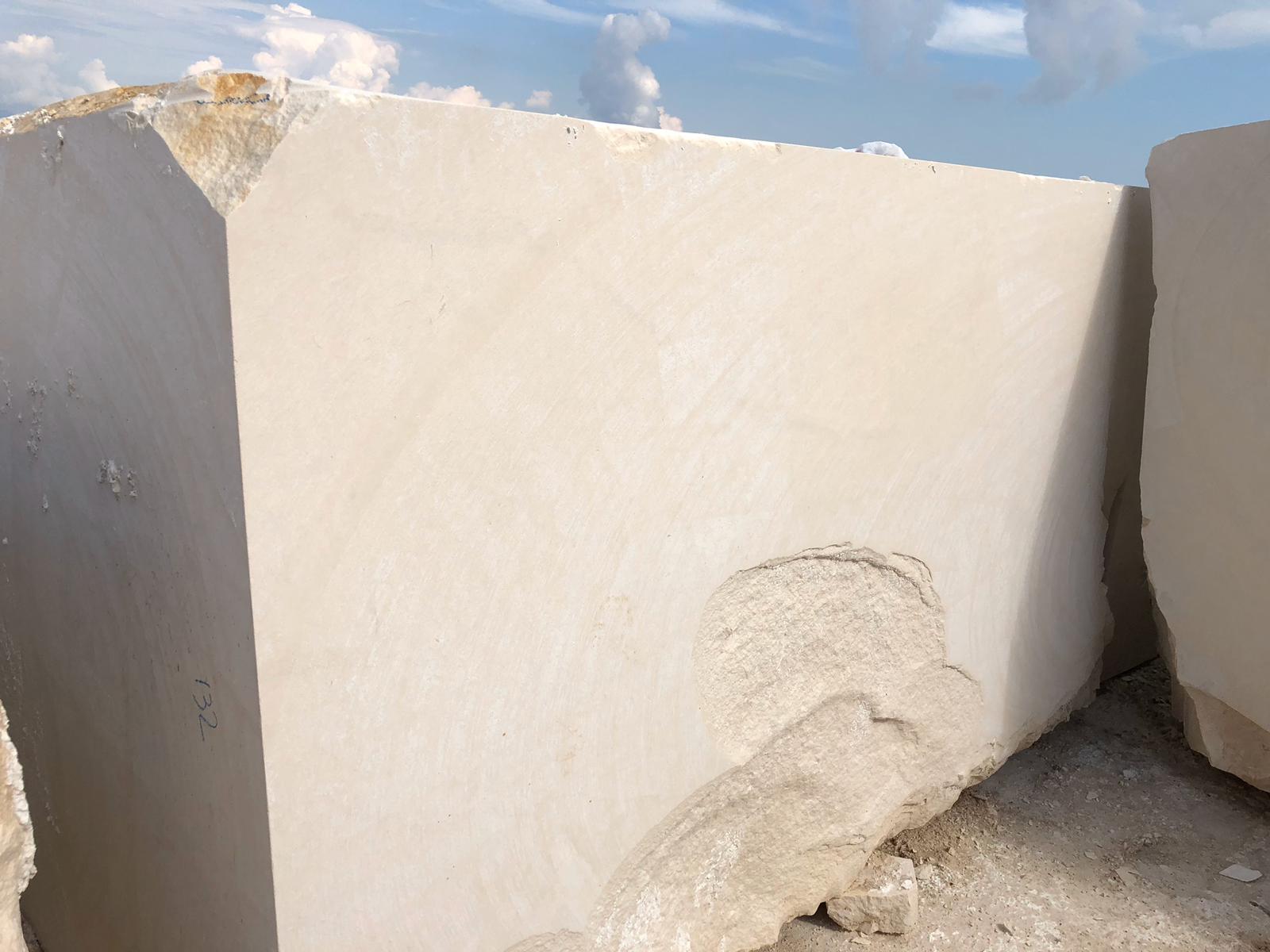
Natural variation is an essential part of limestone.
Importers should communicate to local customers that natural limestone may contain:
- Fossils
- Shells
- Pores
- Colour changes
- Sedimentary patterns
- Fine veins
- Natural markings
These characteristics should not automatically be described as manufacturing defects.
Product Standardisation
Repeat importer orders benefit from clearly documented specifications.
The product specification may define:
- Commercial product name
- Geological stone reference
- Colour range
- Surface finish
- Dimensions
- Thickness
- Edge treatment
- Filling
- Tolerances
- Packaging quantity
- Label format
- Quality criteria
Product codes should remain consistent between:
- Purchase orders
- Proforma invoices
- Packing lists
- Crate labels
- Warehouse systems
- Customer catalogues
Tile Sizes for Importers
Possible tile formats may include:
- Square tiles
- Rectangular tiles
- Planks
- Modular sets
- French patterns
- Random lengths
- Large-format panels
- Custom dimensions
The final sizes depend on:
- Limestone selection
- Slab yield
- Target market
- Installation habits
- Packaging
- Local transport
- Customer demand
Limestone Paver Sizes
Paver options may include:
- Square pavers
- Rectangular pavers
- Large-format pavers
- Plank formats
- Modular patterns
- Random lengths
- Stepping stones
- Border pieces
- Custom landscape units
Paver thickness should be selected according to:
- Pedestrian traffic
- Vehicle loads
- Base design
- Installation method
- Stone properties
- Climate
French-Pattern Limestone
French-pattern or modular limestone may be imported as coordinated sets.
The pattern may include several square and rectangular sizes.
Importers should confirm:
- Exact size combination
- Quantity ratio
- Total coverage per set
- Joint assumptions
- Packaging quantity
- Installation diagram
- Spare-piece allowance
Different suppliers may use different dimensions under the same commercial pattern name.
Random-Length Limestone
Random-length flooring or paving may be supplied with:
- Fixed widths
- Variable lengths
- Defined minimum lengths
- Defined maximum lengths
- Agreed quantity distribution
The product specification should clearly state whether lengths are:
- Fully random
- Restricted random
- Supplied in several standard bands
- Packed by width
- Mixed within crates
Limestone Slab Supply
Slab import programmes should define:
- Limestone selection
- Slab thickness
- Surface finish
- Approximate slab dimensions
- Natural variation
- Filling
- Mesh or reinforcement where applicable
- Slab numbering
- Photography requirements
- A-frame packaging
Slab dimensions naturally depend on block size and geological conditions.
Slab Photography
Importers may request slab photographs before shipment where included in the agreed process.
Photography can support:
- Colour review
- Slab selection
- Fossil review
- Customer presentation
- Local fabrication planning
Photographs should not be treated as perfect colour references because lighting and screens can change appearance.
Cut-to-Size Project Products
Importers supplying contractors may order project-specific stone according to drawings.
Products may include:
- Façade panels
- Flooring
- Wall panels
- Pool coping
- Staircases
- Window sills
- Door surrounds
- Wall caps
- Fireplace surrounds
- Architectural elements
Custom production may involve:
- Straight cutting
- Angled cutting
- Curved cutting
- Mitred edges
- Bullnose profiles
- Chamfers
- Rebates
- Grooves
- Anchor slots
- Dowel holes
- Drip grooves
- Cut-outs
- CNC carving
- Engraving
Architectural Limestone Elements
Custom architectural products may include:
- Columns
- Capitals
- Pilasters
- Arches
- Keystones
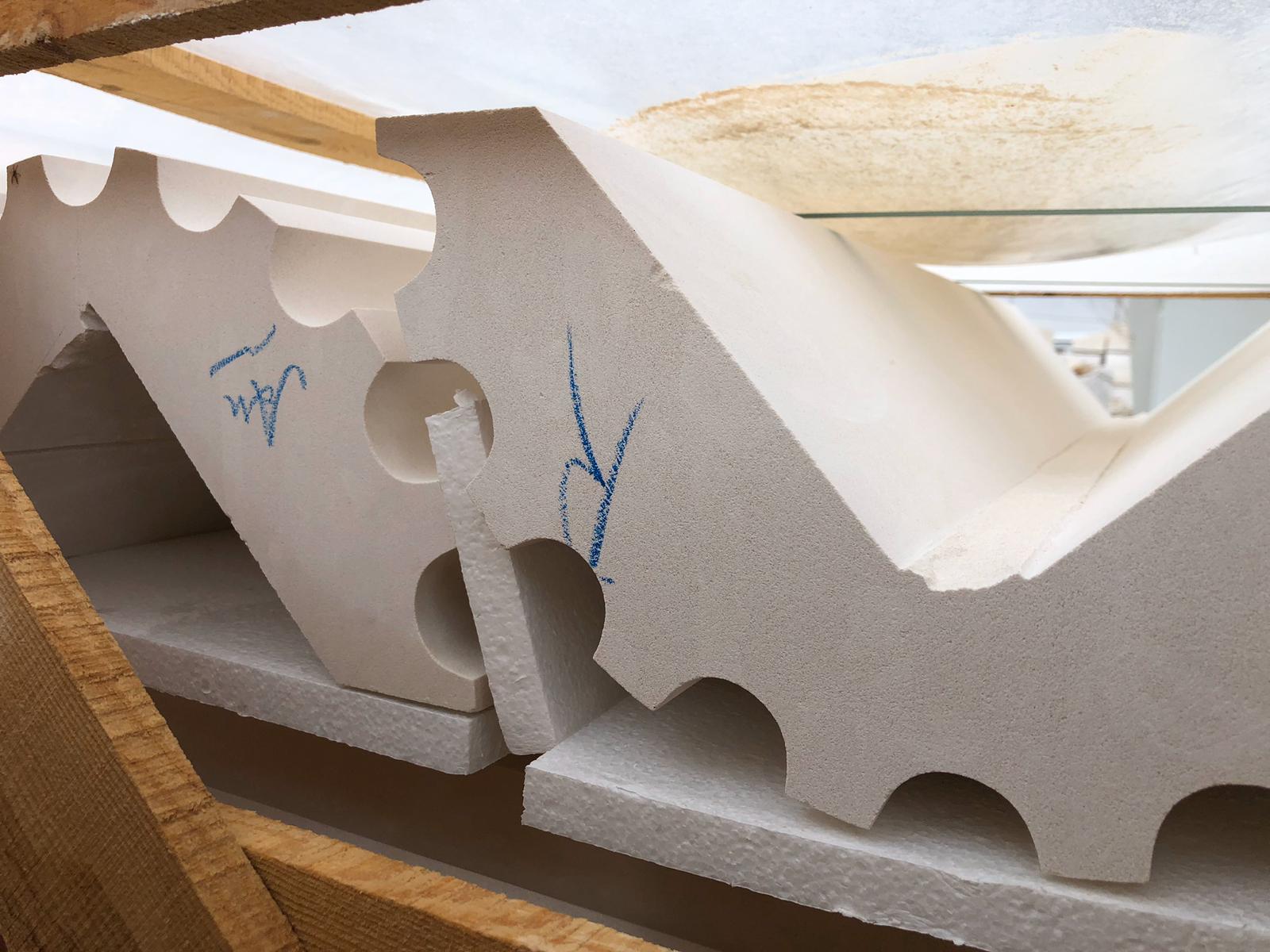
- Cornices
- Pediments
- Balustrades
- Fireplace surrounds
- Carved panels
- Signs
- Logos
Visit our architectural stone elements page.
Limestone Façade Imports
Importers supplying façade contractors may source:
- Rectangular panels
- Large-format panels
- Horizontal courses
- Vertical panels
- Curved panels
- Corner pieces
- Quoins
- Window surrounds
- Entrance portals
- Cornices
- Parapet coping
- Podium cladding
Explore:
- Exterior wall cladding
- Limestone facade panels
Mechanical Fixing Preparation
Façade stone may be prepared with:
- Anchor slots
- Kerfs
- Dowel holes
- Undercut-anchor holes
- Bracket recesses
- Support notches
- Lifting holes
All fixing details should be based on approved engineering drawings.
DMR Limestone manufactures the stone according to supplied technical information but does not replace the project’s structural or façade engineer.
Limestone for Pool-Supply Importers
Importers specialising in swimming-pool and landscape materials may source:
- Pool coping
- Pool-deck pavers
- Curved coping
- Drop-face coping
- Infinity-pool edges
- Overflow-channel pieces
- Drain covers
- Pool stairs
- Wall caps
- Planter coping
Explore our pool surrounds page.
Pool Coping Collections
A standard pool-coping collection may include:
- Straight pieces
- Inside corners
- Outside corners
- End pieces
- Curved pieces
- Bullnose profiles
- Drop-face profiles
- Matching deck pavers
The collection should define:
- Width
- Thickness
- Length
- Edge profile
- Surface finish
- Corner geometry
- Packaging quantity
Landscape Limestone Imports
Landscape product programmes may include:
- Pavers
- Garden stepping stones
- Pathway stone
- Garden steps
- Wall caps
- Pier caps
- Planter coping
- Seating-wall caps
- Benches
- Water-feature components
- Entrance monuments
Explore our landscape architecture page.
Limestone for Hotel-Supply Importers
Importers working with hospitality projects may supply:
- Façade panels
- Lobby flooring
- Interior wall panels
- Restaurant flooring
- Spa walls
- Pool coping
- Pool-deck pavers
- Resort-villa stone
- Garden pathways
- Landscape walls
Visit:
- Hotel and resort projects
- Hotel developers
Limestone for Villa Markets
A coordinated villa stone package may include:
- Façade cladding
- Entrance surrounds
- Window sills
- Interior flooring
- Staircases
- Fireplaces
- Pool coping
- Terrace pavers
- Garden paths
- Wall caps
- Pier caps
Visit:
- Villa facades
- Luxury residential projects
- Villa builders
Product Tolerances
Product tolerances should be agreed according to:
- Stone type
- Product dimensions
- Thickness
- Surface finish
- Edge treatment
- Installation method
- Joint width
- Local market expectations
Natural stone cannot be evaluated exactly like manufactured porcelain or synthetic panels.
Tumbled products may have more edge variation than precision-cut honed tiles.
Limestone Thicknesses
Possible thicknesses may include:
- 10 mm
- 12 mm
- 15 mm
- 20 mm
- 30 mm
- 40 mm
- 50 mm
- Greater custom thicknesses
The appropriate thickness depends on:
- Product type
- Dimensions
- Stone properties
- Interior or exterior use
- Traffic
- Fixing
- Support
- Handling
- Climate
- Local installation methods
Technical Information
Depending on the material and project, technical information may include:
- Water absorption
- Apparent density
- Open porosity
- Compressive strength
- Flexural strength
- Abrasion resistance
- Freeze–thaw resistance
- Salt crystallisation
- Slip resistance
- Anchor resistance
- Petrographic information
Required standards should be identified before material approval because test methods and acceptance criteria vary between markets.
Market-Specific Requirements
Importers are responsible for identifying requirements in the destination market, including:
- Product standards
- Test standards
- Labelling
- Packaging rules
- Import duties
- Customs classifications
- Construction regulations
- Safety requirements
- Environmental requirements
- Documentation
- Installation standards
DMR Limestone can provide available product information, but the importer should verify local legal and regulatory compliance before placing an order.
Slip-Resistance Requirements
Slip resistance may be important for:
- Pool decks
- Exterior pavers
- Stair treads
- Commercial entrances
- Bathrooms
- Restaurant floors
- Hotel areas
- Garden pathways
Performance depends on:
- Limestone selection
- Finish
- Wet or dry conditions
- Surface wear
- Cleaning
- Slope
- Sealer
- Footwear or barefoot use
A textured appearance does not automatically prove compliance with a local slip-resistance classification.
Freeze–Thaw Markets
Importers supplying cold climates should evaluate:
- Stone water absorption
- Freeze–thaw results
- Saturation risk
- Installation methods
- Drainage
- De-icing chemicals
- Joint design
- Base preparation
The same limestone should not automatically be marketed for every climate and exterior application.
Hot-Climate Markets
For warm regions, product selection should consider:
- Surface temperature
- Strong sunlight
- Thermal movement
- Expansion joints
- Pool chemicals
- Dust
- Irrigation
- Maintenance
Light-coloured limestone is frequently selected for warm climates, but no stone should be marketed as remaining cool under every condition.
Coastal Markets
Coastal applications should consider:
- Salt spray
- High humidity
- Wind-driven rain
- Salt deposits
- Frequent wetting and drying
- Corrosive conditions
- Organic growth
Corrosion-resistant metal fixings and effective drainage may be required.
Limestone Sealing
Importers may supply sealed or unsealed limestone depending on the agreed product.
Sealer selection should consider:
- Limestone type
- Finish
- Pore structure
- Interior or exterior use
- Food exposure
- Pool exposure
- Slip resistance
- Vapour transmission
- Local maintenance products
Sealing does not make limestone waterproof, acid proof or completely stain proof.
Factory-Applied Sealer
Where agreed, factory-applied treatment may be considered for selected products.
The specification should define:
- Sealer brand or performance requirement
- Number of applications
- Treated faces
- Edge treatment
- Drying time
- Packaging precautions
- Local reapplication requirements
The buyer should test the treated sample before approving full production.
Limestone Cleaning Guidance
Importers should provide suitable maintenance information to their customers.
General recommendations include:
- Use pH-neutral natural stone cleaners
- Avoid vinegar
- Avoid acidic chemicals
- Avoid uncontrolled acid washing
- Clean spills promptly
- Maintain drainage
- Test cleaning products
- Avoid aggressive pressure washing
- Follow sealer-manufacturer guidance
Product Photography
Importers may request product and production photographs according to the agreed documentation process.
Photography may include:
- Material samples
- Finished tiles
- Pavers
- Slabs
- Pool coping
- Custom elements
- Dry layouts
- Crates
- Container loading
Images should not replace physical sample approval.
Quality-Control Standards
Quality-control criteria should be agreed before production.
Inspection may include:
- Stone selection
- Colour range
- Fossils and pores
- Product dimensions
- Thickness
- Squareness
- Flatness
- Surface finish
- Edge profiles
- Filling
- Holes and grooves
- Piece numbering
- Packaging
- Labelling
Factory Inspection
Depending on the project and agreed process, inspection may be completed by:
- DMR Limestone quality-control personnel
- The importer
- The importer’s representative
- An independent inspection company
- The project consultant
Inspection requirements should be confirmed before production begins.
Pre-Shipment Inspection
A pre-shipment inspection may review:
- Product quantities
- Dimensions
- Finish
- Colour range
- Packaging
- Labels
- Crate condition
- Packing list
- Loading readiness
The scope and acceptance criteria should be agreed in advance.
Independent Inspection
Where required, the importer may appoint an independent inspection company.
The importer should define:
- Inspection standard
- Sampling method
- Acceptance criteria
- Report format
- Inspection timing
- Responsibility for fees
- Procedure for non-conformities
Quality Claims
If a quality issue is identified, the importer should document:
- Product code
- Crate number
- Piece number
- Quantity affected
- Photographs
- Measurements
- Packaging condition
- Installation status
- Date of discovery
- Shipping-document reference
Products should be inspected before installation where practical.
Installation of visibly non-conforming material may complicate claim assessment.
Transit Damage
If damage occurs during transport, the importer should record:
- Container condition
- Seal condition
- Crate condition
- Unloading photographs
- Damaged quantities
- Carrier documents
- Delivery notes
- Insurance information
Transit-damage responsibility depends on the agreed commercial and shipping terms.
Spare Material
Importers should consider spare quantities for:
- Tile collections
- Project flooring
- Pavers
- Pool coping
- Façade panels
- Stair treads
- Window sills
- Custom profiles
Spare material from the original production batch may provide better visual compatibility than later replacement orders.
Repeat Orders
Repeatability may be improved through:
- Product codes
- Retained approved samples
- Colour-range records
- Finish references
- Dimension records
- Packaging specifications
- Crate-label formats
- Production photographs
However, natural stone from a later quarry block may vary from the original shipment.
An exact future colour match cannot always be guaranteed.
Stock Programme Planning
Importers developing stock programmes should consider:
- Sales history
- Product turnover
- Popular sizes
- Local installation practices
- Seasonal demand
- Warehouse capacity
- Product weight
- Slow-moving special items
- Replacement stock
- Display samples
A focused range is often easier to manage than a large number of similar product codes.
Seasonal Planning
Pool, landscape and exterior paving demand may be seasonal in some markets.
Importers should account for:
- Production lead time
- Sample approval
- Container booking
- Sea transit
- Customs clearance
- Inland delivery
- Warehouse preparation
- Customer launch dates
Orders should be planned before the local construction season begins.
Product Development Process
A new importer collection may follow these stages:
- Market and product brief
- Limestone selection
- Finish comparison
- Size and thickness selection
- Sample approval
- Packaging development
- Trial order
- Quality review
- Commercial launch
- Repeat-order standardisation
Trial Orders
A trial order may help evaluate:
- Product acceptance
- Colour range
- Packaging
- Breakage
- Local handling
- Installation feedback
- Customer demand
- Warehouse storage
Trial-order feasibility depends on product type, quantity and shipping method.
Container Planning
Container planning should account for:
- Maximum permitted weight
- Crate dimensions
- Product density
- Weight distribution
- Safe loading
- A-frame positions
- Door clearance
- Unloading method
- Destination restrictions
Natural stone containers must be loaded carefully to prevent movement and imbalance.
Container Loading
Container loading may include:
- Crate-position planning
- Weight distribution
- Blocking and bracing
- A-frame securing
- Product labels
- Packing-list verification
- Loading photographs
- Container-seal recording
The final loading method depends on the product type and container configuration.
Export Packaging
Packaging may include:
- Reinforced wooden crates
- Pallets
- A-frames
- Vertical panel frames
- Foam separators
- Protective sheets
- Edge guards
- Corner protection
- Bullnose protection
- Carving supports
- Moisture-conscious wrapping
- Crate labels
Packaging is designed according to:
- Product size
- Thickness
- Weight
- Surface finish
- Edge profile
- Transport route
- Handling method
Tile Packaging
Tile packaging may define:
- Pieces per box or crate
- Square metres per crate
- Net weight
- Gross weight
- Size
- Finish
- Product code
- Batch reference
Small-format tiles may be boxed before being placed in reinforced crates or pallets, depending on the product.
Paver Packaging
Paver packaging should consider:
- Greater thickness
- Higher unit weight
- Edge protection
- Layer separation
- Forklift access
- Crate strength
- Safe stacking
Slab Packaging
Limestone slabs are commonly transported on suitable A-frame supports.
Slab packaging may include:
- Timber or metal support
- Separators
- Strapping
- Edge protection
- Slab numbering
- Surface protection
- Loading restraints
Custom Architectural Stone Packaging
Custom pieces may require:
- Individual supports
- Foam inserts
- Timber frames
- Profile protection
- Carving protection
- Orientation labels
- Centre-of-gravity markings
- Piece numbers
- Installation-zone references
Crate Labels
Crate labels may show:
- Importer product code
- DMR Limestone reference
- Stone type
- Surface finish
- Dimensions
- Quantity
- Crate number
- Net weight
- Gross weight
- Project or customer reference
- Installation zone
Label requirements should be submitted before packing begins.
Packing Lists
A packing list may include:
- Crate number
- Product code
- Description
- Dimensions
- Quantity
- Net weight
- Gross weight
- Crate dimensions
- Project reference
- Installation area
Export Documents
Depending on the shipment and destination, documentation may include:
- Commercial invoice
- Packing list
- Certificate of origin where applicable
- Transport document
- Customs-related documents
- Product information
- Fumigation or packaging documents where required
- Other destination-specific documentation
Document requirements vary by country and should be confirmed by the importer or customs representative before shipment.
Harmonised Tariff Classification
The correct customs classification may depend on:
- Product type
- Degree of processing
- Tile, slab or architectural element classification
- Destination-country interpretation
- Local customs rules
The importer should confirm final tariff classification with a qualified customs broker or customs authority.
Incoterms and Delivery Terms
Commercial delivery terms should clearly define responsibility for:
- Export clearance
- Main freight
- Cargo insurance
- Destination charges
- Import clearance
- Duties and taxes
- Inland transport
- Site delivery
- Unloading
The agreed Incoterm and named location should appear clearly in commercial documents.
Freight Planning
Freight planning should consider:
- Container type
- Product weight
- Port of loading
- Port of destination
- Transit time
- Transshipment
- Seasonal congestion
- Port charges
- Inland delivery
- Import restrictions
Freight prices and schedules may change and should be confirmed for each shipment.
Customs Clearance
The importer is generally responsible for confirming destination-country import requirements unless another arrangement is agreed.
This may include:
- Import licences
- Customs registration
- Product classification
- Duties
- Taxes
- Local documentation
- Inspection requirements
- Port procedures
Warehouse Unloading
The importer should prepare:
- Suitable forklift capacity
- Crane or lifting equipment
- Stable unloading area
- Trained personnel
- Storage space
- A-frame handling procedures
- Safe access
- Crate-identification system
Stone crates and slab frames can be extremely heavy.
Limestone Storage
Products should be stored:
- On stable ground
- According to crate orientation
- With labels visible
- Away from impact risk
- With appropriate weather protection
- Without trapping moisture
- With controlled stacking
- According to lifting instructions
Warehouse Inventory Management
Importers may use product codes linked to:
- Limestone type
- Colour
- Finish
- Size
- Thickness
- Batch
- Crate number
- Warehouse location
Batch tracking can help with:
- Customer orders
- Colour matching
- Claims
- Replacement products
- Repeat purchases
Batch Management
Separate production batches may vary naturally.
Importers should avoid mixing batches in the same visible installation without review.
Where possible, the same project area should use material from the same approved production batch.
Installation Guidance
DMR Limestone manufactures and supplies stone products but does not replace the local installer, architect, engineer or construction consultant.
Importers should ensure that customers receive guidance appropriate to:
- Product type
- Substrate
- Climate
- Moisture
- Traffic
- Fixing method
- Local codes
- Adhesives
- Grout
- Movement joints
- Cleaning
- Sealing
Adhesive and Grout Compatibility
Local installers should use products suitable for natural limestone.
Incorrect adhesives or grout may cause:
- Staining
- Discolouration
- Moisture marks
- Debonding
- Edge contamination
- Surface residue
Textured and porous surfaces should be tested before full grouting.
Construction and Installation Protection
Installed limestone should be protected from:
- Cement
- Paint
- Oil
- Rust
- Welding
- Metal grinding
- Construction traffic
- Acidic cleaners
- Standing water
- Heavy impact
Protection materials should not stain the stone or trap moisture.
Marketing Natural Limestone
Importers should present limestone accurately as a natural material.
Product descriptions should communicate:
- Natural colour variation
- Fossils
- Pores
- Shell fragments
- Surface finish
- Suitable applications
- Maintenance requirements
- Acid sensitivity
- Potential need for sealing
Misrepresenting natural stone as completely uniform may create unrealistic customer expectations.
Product Naming
Commercial names may support local marketing, but technical documentation should also identify:
- Stone origin
- Limestone category
- Finish
- Dimensions
- Thickness
- Product code
A commercial collection name should not replace the complete product specification.
DMR Limestone Support for Importers
Our importer support may include:
- Limestone selection
- Material samples
- Colour-range samples
- Surface-finish samples
- Standard product development
- Private-label coordination
- Mixed-container planning
- Custom project production
- Cut-to-size manufacturing
- CNC fabrication
- Piece numbering
- Export packaging
- Crate labels
- Packing lists
- Loading photographs
- Project-specific quotations
Why Importers Work with DMR Limestone
DMR Limestone combines Turkish limestone supply with custom manufacturing and export-oriented packaging.
Our capabilities include:
- Turkish limestone
- Limra limestone
- White limestone
- Antalya limestone
- Beige limestone
- Honed limestone
- Tumbled limestone
- Brushed limestone
- Sandblasted limestone
- Tiles
- Slabs
- Pavers
- Façade panels
- Wall cladding
- Pool coping
- Stair components
- Window sills
- Door and window surrounds
- Fireplace surrounds
- Wall caps
- Pier caps
- Columns
- Capitals
- Balustrades
- Cornices
- Curved stone
- Carved architectural elements
- Cut-to-size production
- Private-label coordination
- Mixed-product containers
- Piece-numbered production
- Export-oriented packaging
From standard wholesale collections to complete project-based stone packages, DMR Limestone can manufacture limestone according to importer, contractor and architectural requirements.
Frequently Asked Questions for Limestone Importers
Does DMR Limestone export limestone?
Yes. DMR Limestone manufactures and supplies Turkish limestone for international importers, distributors and project buyers.
Which limestone materials are available?
Options include Limra limestone, white limestone, Antalya limestone, beige limestone and other suitable Turkish limestone selections.
Which limestone finishes are available?
Available finishes may include honed, tumbled, brushed and sandblasted surfaces.
Can one limestone be supplied in several finishes?
Yes. The same material may be produced in different finishes for interior, exterior, pool and landscape applications.
Can you supply wholesale limestone tiles?
Yes. Standard and custom tile collections can be manufactured for importers.
Can you export limestone slabs?
Yes. Limestone slabs may be supplied for local fabrication and large-format applications.
Can you supply exterior limestone pavers?
Yes. Pavers can be produced in standard, modular, random-length, large-format and custom sizes.
Can you supply limestone wall cladding?
Yes. Standard wall panels, façade cladding and custom architectural components can be manufactured.
Can you supply pool coping?
Yes. Straight, bullnose, drop-face, curved and infinity-pool coping can be produced.
Can you supply stair treads and window sills?
Yes. Standard and custom stair and sill products can be manufactured.
Can you produce wall and pier caps?
Yes. Flat, sloped, saddleback, bullnose, pyramid and custom caps can be supplied.
Can you manufacture architectural elements?
Yes. Columns, capitals, balustrades, cornices, fireplaces, arches and carved elements can be manufactured.
Can you manufacture from architectural drawings?
Yes. Cut-to-size stone may be produced from approved drawings, schedules and cutting lists.
Can you produce custom sizes?
Yes. Products can be manufactured according to project-specific dimensions and thicknesses.
Can you manufacture curved limestone?
Yes. Curved coping, panels, stairs, arches, columns and landscape components can be produced.
Can limestone be CNC machined?
Yes. CNC processing may include profiling, grooving, drilling, carving, lettering and curved cutting.
Can you engrave importer logos?
Authorised logos, product codes and labels supplied by the buyer may be used according to the agreed private-label scope.
Do you offer private-label limestone products?
Private-label product and packaging requirements may be coordinated for suitable orders.
Can crates carry our product codes?
Yes. Buyer product codes and approved label formats may be added when provided before packaging.
Can barcodes be added?
Buyer-supplied barcode information may be included according to the agreed packaging specification.
Can you prepare sample boards?
Material and finish sample boards may be developed depending on the required format and quantity.
Can you send limestone samples?
Yes. Material, finish, colour-range, tile, paver, coping and profile samples may be prepared.
Can full-size samples be produced?
Yes. Full-size tiles, pavers, coping pieces and mock-up components may be produced where agreed.
Can you supply colour-range samples?
Yes. Range samples help demonstrate acceptable natural variation.
Is limestone colour completely uniform?
No. Limestone is a natural material and may vary in colour, fossils, pores and geological markings.
Can exact colour matching be guaranteed for repeat orders?
No. Repeat orders may vary naturally from earlier production, although retained specifications and samples can support consistency.
Can you reserve material for repeat orders?
Material reservation depends on block availability, quantity, timing and commercial agreement.
Can different production batches be mixed?
Batches may be blended where appropriate, but important visible areas should be reviewed carefully before mixing.
Can you develop an importer-exclusive product collection?
Product development and commercial arrangements may be discussed according to the proposed range, quantities and market.
Can you manufacture French-pattern limestone?
Yes. Modular French-pattern sets may be produced with agreed sizes and quantity ratios.
Can you supply random-length flooring?
Yes. Random-length products can be manufactured with defined widths and length ranges.
Can you supply plank-format limestone?
Yes. Long rectangular tiles and pavers may be produced subject to stone and dimensional requirements.
Can products be supplied filled or unfilled?
Yes. Selected limestone may be supplied with natural pores left open, partially filled or factory filled.
Can limestone be factory sealed?
Factory-applied treatment may be considered for selected products when the sealer specification is approved.
Does sealing make limestone waterproof?
No. Sealing may reduce absorption but does not replace waterproofing, drainage or correct installation.
Does limestone resist acids?
No. Limestone is sensitive to vinegar, lemon juice and acidic cleaners.
Can limestone be used outdoors?
Selected limestone can be used outdoors when the stone, thickness, finish and installation are suitable for the environment.
Can limestone be used in freeze–thaw climates?
Selected materials may be suitable, but technical performance, saturation and drainage should be evaluated.
Can limestone be used in hot climates?
Yes. Light-coloured limestone is widely used in warm regions, but surface temperature and thermal movement should be considered.
Can limestone be used in coastal areas?
Yes, provided salt exposure, drainage, cleaning and corrosion-resistant fixings are addressed.
Is sandblasted limestone non-slip?
Sandblasting creates texture, but compliance with a particular slip-resistance standard must be verified through suitable testing.
Can technical test reports be supplied?
Available technical information depends on the selected material. Required standards should be identified before approval.
Can you supply CE-related or market-specific documents?
Available documentation depends on the product and destination. The importer should identify exact legal and technical requirements before ordering.
Who is responsible for destination-market compliance?
The importer should verify local standards, import rules, labelling, customs and construction requirements.
What is the minimum order quantity?
Minimum quantities depend on the stone, product, finish, customisation and packaging requirements.
Can small trial orders be supplied?
Trial-order feasibility depends on product type, quantity, production setup and freight options.
Can several products be loaded in one container?
Yes. Mixed containers may be planned when products can be loaded safely and efficiently.
Can tiles, pavers and coping be mixed?
They may be combined subject to crate dimensions, product weight, loading safety and container planning.
Can slabs and tiles be loaded together?
This may be possible depending on A-frame configuration, crate sizes, weight and loading safety.
How much limestone fits into a container?
Capacity depends on product weight, crate dimensions, container type and legal weight limits.
Why is a stone container not always full by volume?
Natural stone is heavy, so the legal weight limit may be reached before the container is physically full.
How is limestone packaged?
Products may be packed in reinforced crates, pallets, A-frames and custom supports.
Are limestone slabs packed on A-frames?
Slabs are generally transported on suitable A-frame supports with separators and restraints.
Can custom architectural pieces be individually protected?
Yes. Curved, carved and profiled stone may receive specialised internal supports and edge protection.
Can crate labels use our company name?
Approved private-label information may be applied according to the agreed packaging specification.
Can packing lists identify individual crates?
Yes. Packing lists may include crate numbers, products, quantities, dimensions and weights.
Can products be numbered by installation area?
Yes. Project products may be numbered by building, elevation, floor, room, pool or landscape zone.
Can containers be loaded according to delivery sequence?
Loading and packaging may be organised to support the agreed distribution or installation sequence where practical.
Can production photographs be provided?
Production, packing and loading photographs may be supplied according to the agreed documentation process.
Can an independent inspector visit the factory?
Independent inspection may be coordinated when requirements, timing and responsibilities are agreed in advance.
Can a pre-shipment inspection be arranged?
Yes. The inspection scope and acceptance criteria should be defined before production.
Which export documents are supplied?
Documents may include commercial invoices, packing lists, transport documents and other agreed shipment documents.
Can a certificate of origin be supplied?
Where applicable, origin documentation may be coordinated according to shipment and destination requirements.
Who confirms the customs tariff code?
The importer should confirm final customs classification with a qualified customs broker or authority.
Can DMR Limestone arrange freight?
Freight coordination may be provided according to the agreed delivery and commercial terms.
Which Incoterms are available?
The available commercial terms should be confirmed for each quotation and named delivery location.
Who pays import duties and taxes?
Responsibility depends on the agreed delivery term and destination-country rules.
Can you deliver to our warehouse?
Delivery feasibility depends on destination, commercial terms, local transport and unloading arrangements.
Who unloads the container?
Unloading responsibility should be defined in the commercial terms. The importer should prepare suitable equipment and personnel.
How should limestone be stored?
Stone should be stored on stable ground, according to crate orientation and with appropriate weather protection.
Can products be stored outdoors?
Some packed products may be stored outdoors temporarily, but protection, drainage, crate condition and moisture should be managed carefully.
How should slabs be handled?
Slabs require suitable A-frame handling, lifting equipment and trained personnel.
What should we do if a crate is damaged?
The condition should be photographed before unloading, documented and reported according to carrier, insurance and commercial procedures.
What should we do if products are damaged?
Record the product code, crate number, quantity, measurements and photographs before installation.
Can damaged pieces be replaced?
Replacement pieces may be produced when accurate information and original production references are supplied.
Can exact colour matching be guaranteed for replacement pieces?
No. Natural material from a later batch may vary.
Should importers order spare material?
Spare stock is recommended for project products and repeat customer support.
Can you support repeat orders?
Yes. Product codes, samples, finish references and packaging specifications can support repeat production.
Can the second order differ from the first?
Natural variation may occur between quarry blocks and production batches.
Can limestone be marketed under our own collection names?
Yes, provided the commercial name does not create inaccurate claims about origin, performance or natural uniformity.
Can you provide marketing photographs?
Available product and production photography may be discussed, but importers should ensure that local marketing claims accurately represent the supplied product.
Can you provide installation instructions?
General product information may be provided, but local installation should follow qualified professional advice, local regulations and system-manufacturer recommendations.
Can you recommend adhesives and sealers?
Compatibility should be tested with products available in the destination market. The importer or installer should confirm final system selection.
Can limestone be used with underfloor heating?
Selected limestone may be compatible with professionally designed underfloor-heating systems.
Can limestone be used for driveways?
Selected thick pavers may be suitable when the base, loading and installation are professionally designed.
Can limestone be pressure washed?
Controlled pressure washing may be suitable for selected exterior applications, but aggressive methods may damage stone, filling or joints.
How should limestone be cleaned?
Use pH-neutral natural stone cleaners and avoid acidic products.
What information is needed for a wholesale quotation?
Please provide:
- Preferred limestone
- Product type
- Dimensions
- Thickness
- Surface finish
- Required quantity
- Packaging preference
- Private-label requirements
- Destination port or address
- Target delivery schedule
What information is needed for a project quotation?
Please provide:
- Architectural drawings
- Cutting lists
- Product schedules
- Limestone selection
- Dimensions
- Thicknesses
- Surface finishes
- Edge profiles
- Fixing preparation
- Quantities
- Project location
- Delivery destination
- Required programme
Request Wholesale and Project Limestone Pricing
Are you importing natural stone for wholesale distribution, retail showrooms, building-material supply or a specific construction project?
Contact DMR Limestone to request:
- Turkish limestone samples
- Limra limestone
- White limestone
- Antalya limestone
- Beige limestone
- Honed limestone
- Tumbled limestone
- Brushed limestone
- Sandblasted limestone
- Colour-range samples
- Limestone tiles
- Limestone slabs
- Exterior pavers
- French-pattern limestone
- Random-length flooring
- Façade panels
- Wall cladding
- Pool coping
- Pool-deck products
- Stair components
- Window sills
- Wall and pier caps
- Fireplace surrounds
- Columns and capitals
- Balustrades
- Curved limestone
- Carved architectural elements
- Custom cut-to-size production
- Private-label packaging
- Mixed-container planning
- Export packaging
- Project-specific quotations
Send us your required limestone products, dimensions, finishes, quantities, destination country, delivery point and packaging requirements to receive a customised export quotation.