

Limestone Supply for Landscape Designers
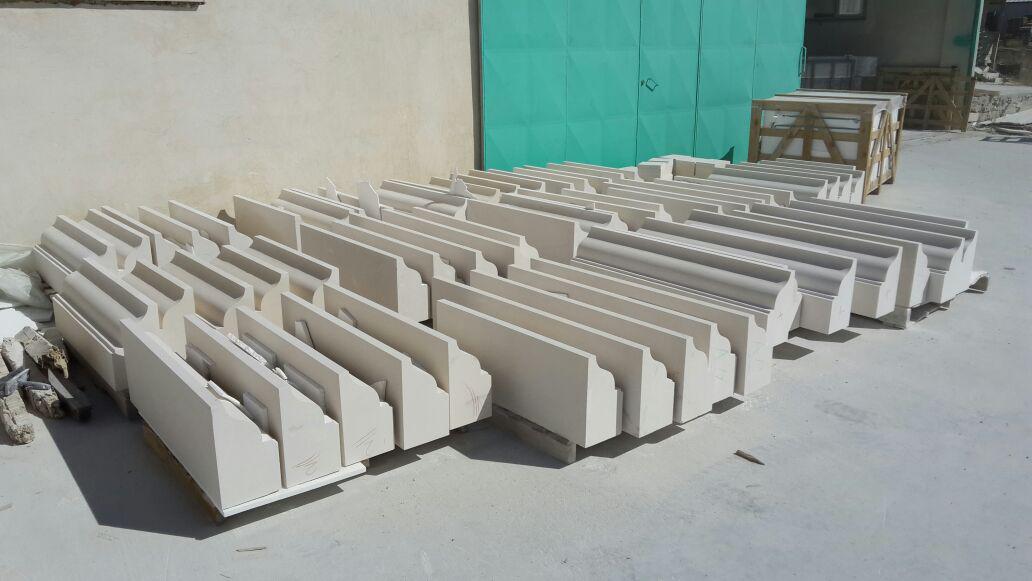
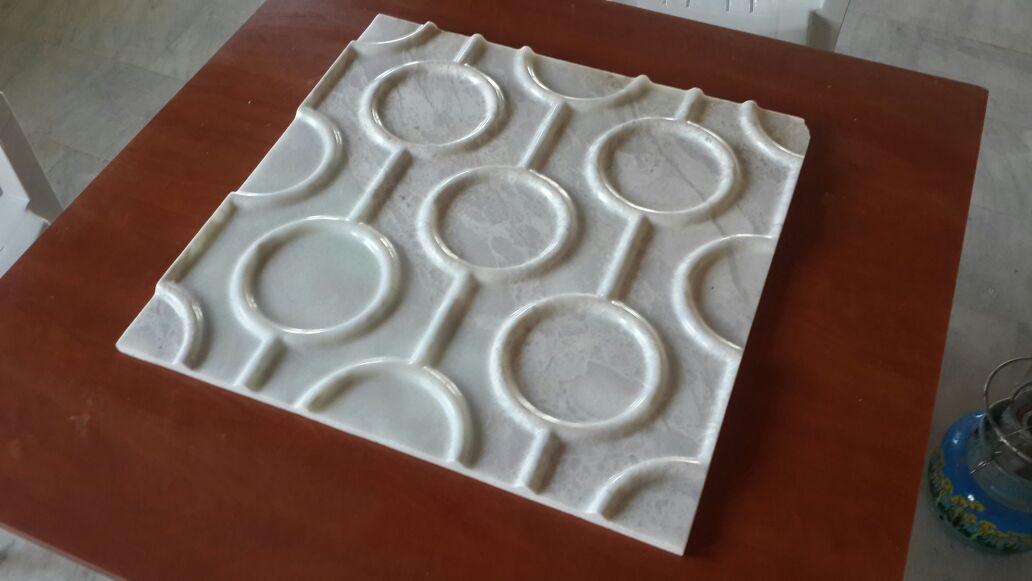
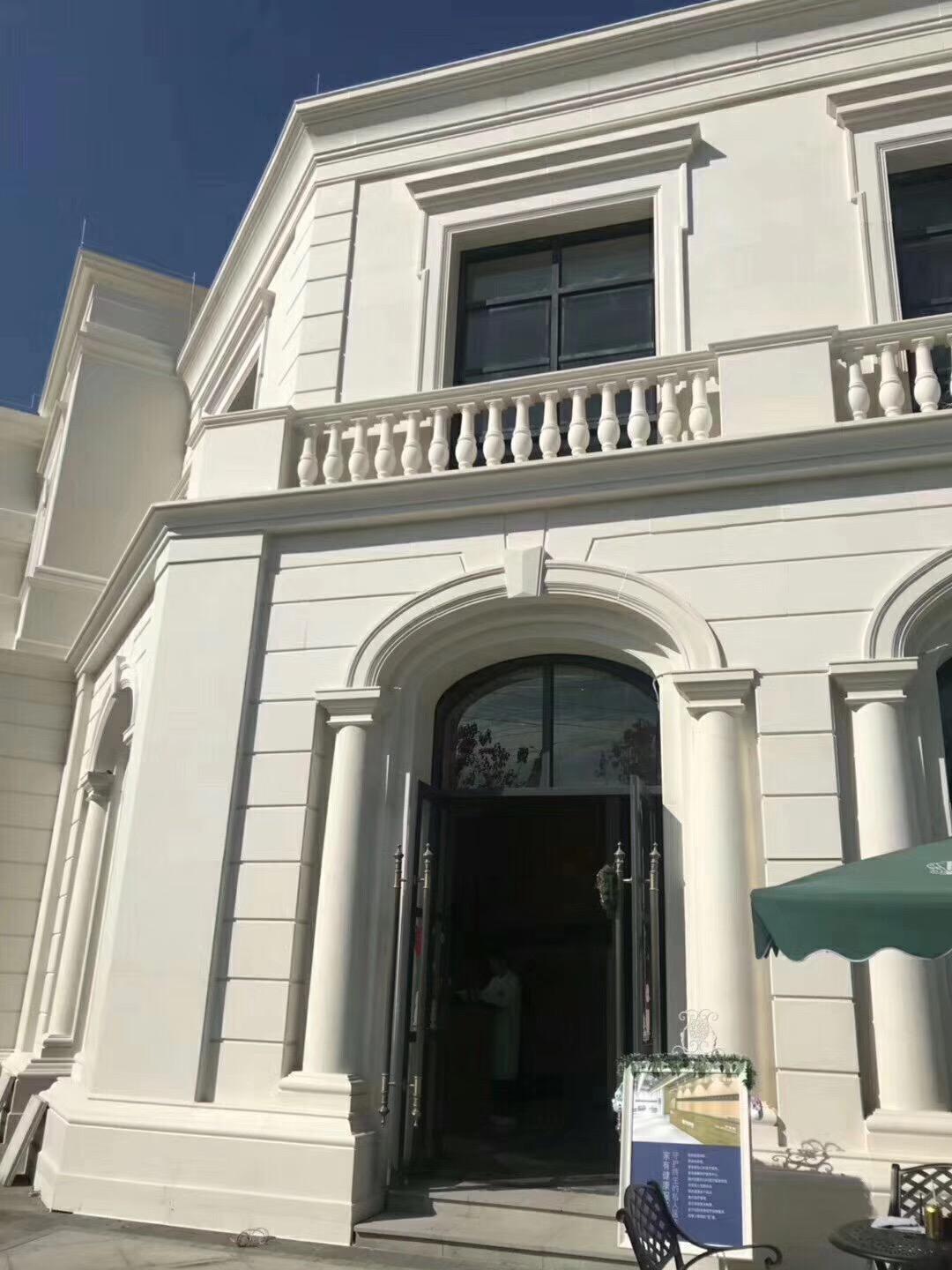
DMR Limestone manufactures and supplies Turkish limestone for landscape designers, landscape architects, garden designers, pool designers, contractors and property developers worldwide.
We produce standard and custom natural stone for residential, hospitality, commercial and public landscape projects.
Our landscape limestone products may include:
- Exterior pavers
- Pool coping
- Pool-deck paving
- Garden pathways
- Stepping stones
- Exterior stairs
- Solid block steps
- Wall caps
- Pier caps
- Planter coping
- Seating-wall caps
- Garden benches
- Water-feature components
- Fountain surrounds
- Drain covers
- Channel covers
- Entrance monuments
- Property signs
- Garden pavilion elements
- Courtyard paving
- Terrace flooring
- Custom curved stone
- Cut-to-size landscape elements
DMR Limestone works with landscape designers from material selection and sample approval through custom fabrication, colour blending, piece numbering, packaging and international shipment.
Turkish Limestone for Landscape Architecture
Turkish limestone offers natural colour, surface-finish flexibility and custom-fabrication potential for landscape projects.
Our principal material categories include:
- Turkish limestone
- Limra limestone
- White limestone
- Antalya limestone
- Beige limestone
These materials may be considered for:
- Contemporary gardens
- Mediterranean landscapes
- Luxury villa gardens
- Hotel and resort landscapes
- Swimming pools
- Courtyards
- Commercial plazas
- Restaurant terraces
- Garden paths
- Outdoor living areas
- Water features
- Landscape walls
- Entrance areas
The correct stone should be selected according to:
- Colour
- Natural variation
- Surface finish
- Product dimensions
- Required thickness
- Climate
- Wet or dry use
- Pedestrian or vehicle loading
- Slip resistance
- Drainage
- Maintenance expectations
Natural Stone for Landscape Design
Limestone can create continuity between buildings, gardens, water and outdoor living areas.
It may be used to connect:
- Façades with terraces
- Interior floors with covered outdoor areas
- Swimming pools with garden paths
- Courtyards with landscape walls
- Entrances with driveways
- Villas with garden structures
- Hotels with pool and resort landscapes
A coordinated limestone palette can reduce visual fragmentation across a project.
Landscape Design Styles
Limestone can support several landscape-design styles.
Contemporary Landscapes
Contemporary landscapes may use:
- Large-format pavers
- Linear pathways
- Geometric stepping stones
- Straight-edge pool coping
- Minimal wall caps
- Integrated stone benches
- Custom drainage covers
- Large monolithic steps
Mediterranean Landscapes
Mediterranean landscapes may use:
- Beige or cream limestone
- Tumbled paving
- Brushed pool surrounds
- Curved paths
- Garden walls
- Softened wall caps
- Courtyard flooring
- Traditional pool coping
Classical Landscapes
Classical designs may include:
- Symmetrical pathways
- Balustrades
- Columns
- Pier caps
- Fountain surrounds
- Formal stairs
- Entrance monuments
- Carved garden elements
Rustic-Modern Landscapes
Rustic-modern projects may combine:
- Tumbled limestone
- Brushed stone
- Timber
- Black metal
- Natural planting
- Large glass openings
- Simple geometric layouts
Limestone Colour Selection for Landscapes
Landscape limestone may range from:
- Soft white
- Warm white
- Ivory
- Light cream
- Pale beige
- Sandy beige
- Golden beige
- Grey-beige
Colour selection should consider:
- Building façade
- Pool-water colour
- Timber elements
- Metal finishes
- Planting
- Soil colour
- Gravel
- Outdoor furniture
- Sunlight
- Shade
- Wet appearance
Physical samples should be reviewed outdoors because natural stone can look different under direct sun, shade and moisture.
White Limestone for Landscape Design
White limestone may be selected for:
- Modern villa gardens
- Pool surrounds
- Geometric pathways
- Hotel landscapes
- Entrance plazas
- Contemporary courtyards
- Exterior stairs
- Feature walls
Its light appearance works well with:
- Blue water
- Black metal
- Glass
- Olive trees
- Architectural planting
- Minimalist furniture
Limra Limestone for Landscapes
Limra limestone may be manufactured for:
- Pool coping
- Pool-deck paving
- Garden pathways
- Courtyards
- Wall caps
- Exterior steps
- Landscape walls
- Custom outdoor elements
Its natural appearance may include:
- White to light cream tones
- Fine pores
- Fossils
- Shell fragments
- Soft sedimentary markings
Antalya Limestone for Landscapes
Antalya limestone may be considered for:
- Mediterranean villas
- Hotel resorts
- Swimming pools
- Courtyards
- Garden paths
- Exterior wall cladding
- Landscape structures
Antalya limestone is a broad regional category, and different selections may vary in appearance and technical properties.
Beige Limestone for Landscape Design
Beige limestone creates a warm connection between architecture and planting.
It is especially compatible with:
- Timber pergolas
- Terracotta
- Bronze
- Cream render
- Olive trees
- Dry-climate planting
- Natural gravel
- Outdoor furniture
Applications may include:
- Pool decks
- Garden paths
- Courtyards
- Exterior stairs
- Terraces
- Wall caps
- Planters
- Seating walls
Landscape Limestone Surface Finishes
The selected finish affects appearance, texture, cleaning, slip resistance and weathering.
Available finish pages include:
- Honed limestone
- Tumbled limestone
- Brushed limestone
- Sandblasted limestone
Honed Limestone in Landscape Projects
Honed limestone has a smooth, matte surface.
It may be considered for:
- Covered terraces
- Protected outdoor rooms
- Outdoor fireplace walls
- Window sills
- Wall caps
- Selected wall cladding
- Interior–exterior transitions
Honed stone should not automatically be selected for exposed wet walking surfaces without slip-resistance assessment.
Tumbled Limestone in Landscape Projects
Tumbled limestone has softened edges and an aged appearance.
It may be used for:
- Mediterranean pathways
- Courtyards
- Covered terraces
- Rustic garden paving
- French-pattern layouts
- Traditional villa gardens
- Restaurant terraces
Its intentionally softened edges create a less formal appearance.
Brushed Limestone in Landscape Projects
Brushed limestone creates a soft, tactile surface.
It may be suitable for:
- Pool decks
- Courtyards
- Garden paths
- Exterior terraces
- Exterior steps
- Interior–exterior transitions
- Wall caps
- Landscape walls
Brushed stone may offer a more natural texture than honed limestone while retaining controlled dimensions.
Sandblasted Limestone in Landscape Projects
Sandblasted limestone has a controlled, granular and matte texture.
It may be considered for:
- Entrance plazas
- Exterior pavers
- Commercial walkways
- Pool surrounds
- Garden paths
- Exterior stairs
- Large-format landscape paving
- Landscape walls
The final slip performance should be verified through appropriate testing rather than assumed from appearance.
Limestone Pavers for Landscape Designers
DMR Limestone manufactures limestone pavers for:
- Garden pathways
- Patios
- Terraces
- Courtyards
- Pool decks
- Hotel landscapes
- Entrance plazas
- Outdoor dining areas
- Commercial walkways
- Residential gardens
Possible formats include:
- Square pavers
- Rectangular pavers
- Large-format pavers
- Plank pavers
- Modular patterns
- French patterns
- Random lengths
- Stepping stones
- Curved pieces
- Custom geometric units
Visit our limestone pavers page.
Large-Format Limestone Pavers
Large-format pavers create a clean and contemporary landscape appearance.
They may be used for:
- Modern villa terraces
- Hotel pool decks
- Entrance plazas
- Garden paths
- Courtyards
- Outdoor lounges
- Commercial landscapes
Large pavers require coordination of:
- Stone thickness
- Product dimensions
- Substrate
- Base preparation
- Point loads
- Drainage
- Handling
- Installation
- Movement joints
- Replacement access
Rectangular Limestone Pavers
Rectangular pavers may be arranged in:
- Running bond
- Stacked layouts
- Random-length layouts
- Basket-weave-inspired patterns
- Herringbone-style layouts where dimensions permit
- Linear contemporary patterns
Their proportion can visually lengthen pathways and terraces.
Square Limestone Pavers
Square pavers may be used for:
- Courtyards
- Patios
- Entrance areas
- Pool decks
- Garden grids
- Formal landscapes
They can create a regular and calm visual structure.
Limestone Plank Pavers
Plank-format pavers create a linear surface reminiscent of timber decking.
They may be used for:
- Pool decks
- Terraces
- Outdoor dining
- Contemporary pathways
- Garden rooms
- Hotel landscapes
The product dimensions should consider stone strength, thickness and support.
Modular Limestone Paving
Modular paving combines several coordinated dimensions.
It may be suitable for:
- Villas
- Courtyards
- Resorts
- Restaurants
- Garden paths
- Covered terraces
The module should be clearly documented with:
- Piece sizes
- Quantity ratios
- Joint assumptions
- Total coverage
- Installation diagram
- Spare-piece planning
French-Pattern Limestone
French-pattern limestone uses several tile or paver sizes in a repeating arrangement.
It is frequently selected for:
- Mediterranean villas
- Courtyards
- Outdoor dining areas
- Traditional hotel landscapes
- Covered terraces
- Garden rooms
The term “French pattern” may refer to different dimensions in different markets, so the actual module must be confirmed before production.
Random-Length Limestone Paving
Random-length paving may be produced with:
- Fixed widths
- Variable lengths
- Defined minimum lengths
- Defined maximum lengths
- Controlled length distribution
It may be used for:
- Long garden paths
- Courtyards
- Restaurant terraces
- Resort landscapes
- Traditional villas
Limestone Stepping Stones
Stepping stones may be manufactured as:
- Rectangular pieces
- Square pieces
- Circular stones
- Oval stones
- Irregular shapes
- Large-format slabs
- Custom geometric forms
Applications include:
- Lawn paths
- Gravel gardens
- Pool-to-villa paths
- Garden shortcuts
- Water-feature crossings
- Japanese-inspired gardens
- Minimalist landscapes
Custom-Shaped Stepping Stones
Custom stepping stones may follow:
- Architectural geometry
- Landscape curves
- Repeated shapes
- Organic outlines
- Circular patterns
- Logo-inspired forms
The designer should provide:
- Plan dimensions
- Thickness
- Edge treatment
- Surface finish
- Quantity
- Joint or spacing assumptions
- Installation base
Garden Pathways
Limestone garden pathways may include:
- Continuous paving
- Individual stepping stones
- Curved pavers
- Random-length stone
- Gravel-and-stone combinations
- Border strips
- Garden steps
- Drain covers
Visit our garden pathways page.
Curved Garden Paths
Curved pathways may use:
- Radial pavers
- Trapezoidal pieces
- Custom-cut segments
- Rectangular pavers with variable joints
- Curved border stones
Custom-cut curved paths can reduce excessive joint variation and uncontrolled site cutting.
Required information may include:
- Inner radius
- Outer radius
- Path width
- Arc length
- Segment dimensions
- Joint width
- Direction of installation
Limestone Borders
Border pieces may be used to:
- Define pathways
- Frame courtyards
- Separate stone from planting
- Create pattern transitions
- Mark pool zones
- Edge gravel areas
- Form drainage channels
Borders may be:
- Flush
- Raised
- Contrasting in finish
- Contrasting in size
- Curved
- Profiled
- Custom cut
Limestone Pool Surrounds
Limestone can create a natural connection between swimming pools, architecture and landscape planting.
Pool-area products may include:
- Pool coping
- Pool-deck paving
- Curved coping
- Infinity-pool edges
- Overflow-channel pieces
- Pool stairs
- Drain covers
- Outdoor-shower paving
- Seating-wall caps
- Planter coping
- Pool-house flooring
Explore our pool surrounds page.
Limestone Pool Coping
Pool coping may be manufactured with:
- Straight edges
- Pencil edges
- Half-bullnose profiles
- Full bullnose profiles
- Drop faces
- Rebated profiles
- Mitred edges
- Curved segments
- Radius corners
- Infinity-pool details
Visit our limestone pool coping page.
Pool Coping Design Information
For accurate production, landscape and pool drawings should identify:
- Pool-shell dimensions
- Finished pool dimensions
- Coping width
- Coping thickness
- Edge profile
- Joint width
- Inner radius
- Outer radius
- Corner geometry
- Drop-face depth
- Waterproofing build-up
- Pool-tile thickness
- Deck level
- Overflow details
Curved Pool Coping
Curved coping requires accurate:
- Inner radius
- Outer radius
- Arc angle
- Segment length
- Width
- Thickness
- Edge profile
- Joint width
- Installation orientation
Individual coping pieces can be numbered according to the approved pool plan.
Infinity-Pool Limestone
Custom components may be produced for:
- Overflow edges
- Catch-basin coping
- Drop-face coping
- Slot drains
- Channel covers
- Level-deck transitions
- Curved infinity edges
Production should follow approved pool-engineering and waterproofing drawings.
Pool-Deck Limestone
Pool-deck paving should be evaluated for:
- Wet barefoot slip resistance
- Surface temperature
- Pool chemicals
- Drainage
- Surface slope
- Joint layout
- Cleaning
- Algae risk
- Sealing
- Replacement access
A light-coloured stone may be visually suitable for a pool, but colour alone does not determine technical suitability.
Poolside Surface Temperature
Actual stone temperature depends on:
- Stone colour
- Direct sunlight
- Air temperature
- Wind
- Moisture
- Surface finish
- Shading
- Installation
- Local climate
No natural stone should be assumed to remain cool under all conditions.
Outdoor sample testing is recommended where barefoot comfort is a critical design criterion.
Saltwater Pools
For saltwater pools, the design should consider:
- Salt deposits
- Water evaporation
- Pool chemistry
- Cleaning frequency
- Stone porosity
- Joint materials
- Sealer compatibility
- Metal corrosion
- Rinsing
- Drainage
The selected limestone and complete pool system should be evaluated together.
Pool Drain Covers
Custom stone drain covers may be manufactured with:
- Linear slots
- Repeated holes
- Removable sections
- Matching surface finish
- Numbered positions
- Reinforced or supported designs where required
The complete drainage-cover system must be designed for:
- Structural loading
- Safe removal
- Slip resistance
- Water flow
- Cleaning access
- Local safety requirements
Limestone Exterior Stairs
Landscape stair products may include:
- Stair treads
- Risers
- Landings
- Solid block steps
- Curved steps
- Winder steps
- Garden steps
- Bullnose nosings
- Mitred drop faces
- Anti-slip grooves
Visit our limestone stairs page.
Solid Limestone Steps
Solid steps may be used for:
- Garden level changes
- Villa entrances
- Hotel landscapes
- Pool areas
- Courtyard transitions
- Entrance monuments
Solid components require consideration of:
- Weight
- Handling
- Foundation
- Support
- Transport
- Lifting
- Drainage
- Settlement
- Installation sequence
Floating Landscape Steps
Large limestone slabs may be used as visually floating garden steps.
The design should consider:
- Hidden support
- Structural span
- Stone thickness
- Reinforcement
- Point loads
- Slip resistance
- Edge safety
- Lighting
- Drainage
Structural design must be completed by qualified professionals.
Curved Landscape Stairs
Curved stairs require accurate:
- Inner radius
- Outer radius
- Tread depth
- Riser height
- Arc angle
- Number of steps
- Joint locations
- Edge profile
- Installation orientation
Anti-Slip Grooves
Exterior stair treads may include:
- Single grooves
- Multiple parallel grooves
- Recessed strips
- Metal inserts
- Contrasting stone inserts
- Abrasive inserts
The groove design should consider:
- Stone thickness
- Edge distance
- Cleaning
- Visual appearance
- Guest safety
- Accessibility requirements
Limestone Terraces
Terrace products may include:
- Large-format pavers
- Rectangular paving
- Modular sets
- French-pattern stone
- Random lengths
- Borders
- Wall caps
- Integrated steps
- Drain covers
Terrace design should address:
- Waterproofing
- Drainage
- Surface falls
- Movement joints
- Thresholds
- Outdoor furniture
- Planters
- Thermal movement
- Cleaning access
Covered Terraces
Covered terraces may use finishes that create a smoother transition from interior spaces.
Potential approaches include:
- Honed interior stone with brushed exterior stone
- Matching tile dimensions
- Coordinated joint lines
- Similar colour ranges
- Different thicknesses for different installation systems
Courtyards
Limestone courtyards may be designed using:
- Large-format paving
- Tumbled modular patterns
- Brushed rectangular pavers
- Sandblasted geometric layouts
- Central water features
- Border frames
- Tree pits
- Planter caps
- Garden steps
The design should coordinate:
- Drainage
- Tree roots
- Irrigation
- Outdoor furniture
- Restaurant service
- Lighting
- Movement joints
- Cleaning
Commercial Plazas
Limestone may be used for:
- Hotel entrances
- Office plazas
- Restaurant terraces
- Retail courtyards
- Cultural buildings
- Mixed-use developments
- Public-facing landscapes
Commercial plazas require careful evaluation of:
- Pedestrian volume
- Vehicle access
- Service loads
- Accessibility
- Slip resistance
- Abrasion
- Drainage
- Maintenance
- Replacement planning
Limestone for Vehicle Areas
Selected thick limestone pavers may be considered for:
- Residential driveways
- Hotel drop-off areas
- Light-service routes
- Parking transitions
- Entrance courts
Suitability depends on:
- Stone properties
- Paver thickness
- Unit dimensions
- Base design
- Bedding
- Joint filling
- Vehicle type
- Turning loads
- Drainage
- Edge restraint
Vehicle-rated landscape design should be completed by qualified engineers.
Limestone Landscape Walls
Landscape walls may use limestone as:
- Full-depth masonry
- Wall cladding
- Large panels
- Random-format facing
- Horizontal courses
- Caps
- Corner pieces
- Integrated seating
Possible applications include:
- Boundary walls
- Garden walls
- Pool walls
- Courtyard walls
- Retaining-wall cladding
- Entrance walls
- Feature walls
Retaining-Wall Cladding
Limestone may be used as a finish over professionally designed retaining structures.
The complete wall should address:
- Structural loads
- Soil pressure
- Drainage
- Waterproofing
- Backfill
- Movement
- Fixings
- Coping
- Weep systems
- Local regulations
Natural stone cladding should not be treated as the primary retaining structure unless specifically engineered.
Limestone Wall Caps
Wall caps protect the top of masonry and can coordinate landscape walls with paving and pool coping.
Available profiles may include:
- Flat caps
- Single-slope caps
- Double-slope caps
- Saddleback coping
- Bullnose caps
- Moulded caps
- Curved wall caps
- Seating-wall caps
Visit our limestone wall caps page.
Wall-Cap Design Details
Landscape designers should define:
- Wall width
- Cap width
- Thickness
- Overhang
- Slope
- Drip grooves
- Joint width
- Corner pieces
- End pieces
- Curved sections
- Surface finish
Seating-Wall Caps
Seating-wall caps may require:
- Comfortable edge profiles
- Suitable width
- Stable support
- Controlled joints
- Drainage
- Heat consideration
- Smooth but appropriate surface texture
- Rounded or eased edges
Limestone Pier Caps
Pier caps may be manufactured as:
- Flat caps
- Pyramid caps
- Hipped caps
- Round caps
- Moulded caps
- Finial-ready caps
- Lighting-ready caps
- Custom carved caps
Visit our limestone pier caps page.
Lighting-Ready Pier Caps
Custom pier caps may include:
- Cable holes
- Base recesses
- Fixture-fixing holes
- Drainage details
- Removable sections
Electrical and waterproofing details should be professionally coordinated.
Limestone Planter Coping
Planter caps may be produced for:
- Rectangular planters
- Curved planters
- Raised beds
- Tree pits
- Rooftop gardens
- Hotel landscapes
- Courtyards
- Pool areas
The design should consider:
- Irrigation
- Soil moisture
- Fertilisers
- Drainage
- Overhang
- Drip grooves
- Curved geometry
- Plant maintenance
Curved Planter Coping
Curved planter pieces may require:
- Inner radius
- Outer radius
- Wall thickness
- Cap width
- Arc angle
- Segment length
- Joint width
- Edge profile
- Numbering
Limestone Garden Benches
Custom stone benches may include:
- Solid block benches
- Slab seats on supports
- Curved seating
- Integrated wall seating
- Backrests
- Timber-and-stone combinations
- Metal-and-stone designs
Bench design should consider:
- Structural loading
- Surface temperature
- Edge comfort
- Drainage
- Fixings
- Vandal resistance
- Maintenance
Limestone Water Features
Landscape water-feature products may include:
- Basin coping
- Fountain surrounds
- Spillway components
- Water channels
- Cascade steps
- Wall panels
- Drain covers
- Stone bowls
- Custom carved elements
The design should consider:
- Water chemistry
- Constant wetting
- Mineral deposits
- Waterproofing
- Structural support
- Cleaning
- Slip resistance
- Freeze–thaw exposure
- Pump access
Fountain Surrounds
Fountain stone may include:
- Circular coping
- Polygonal coping
- Curved segments
- Basin walls
- Pedestal pieces
- Carved bowls
- Water spouts
- Decorative panels
Accurate templates or digital models may be required for complex geometry.
Water Channels
Custom water-channel stone may include:
- U-shaped channels
- Sloped pieces
- Overflow edges
- Removable covers
- Linear water rills
- Cascade components
Water flow, waterproofing and structural requirements should be engineered by the project team.
Drainage Design
Landscape stone installation should be coordinated with:
- Surface falls
- Slot drains
- Point drains
- Channel drains
- Permeable joints
- Sub-base drainage
- Waterproofing
- Pool overflow
- Irrigation runoff
- Building thresholds
Poor drainage can contribute to:
- Standing water
- Staining
- Algae
- Freeze–thaw damage
- Salt deposits
- Joint deterioration
- Slip risk
- Substrate failure
Custom Stone Drain Covers
Stone drain covers may be designed to match surrounding paving.
Potential details include:
- Linear slots
- Repeated perforations
- Removable panels
- Stainless-steel support frames
- Numbered pieces
- Matching joint alignment
Structural capacity and safe removal should be professionally designed.
Limestone Entrance Monuments
Entrance monuments may use limestone for:
- Property names
- Hotel names
- Villa numbers
- Development logos
- Address markers
- Directional signage
- Gate piers
- Lighting bases
Production options include:
- CNC engraving
- Relief carving
- Recessed lettering
- Raised lettering
- Metal-letter fixing holes
- Lighting recesses
- Custom profiles
Limestone Signs and Wayfinding
Custom signs may be produced for:
- Garden directions
- Hotel villas
- Spa areas
- Pools
- Restaurants
- Building entrances
- Parking areas
- Trail markers
Design information should include:
- Text
- Typeface
- Logo file
- Dimensions
- Relief depth
- Surface finish
- Mounting details
- Lighting details
Garden Pavilions and Pergolas
Limestone may be used for:
- Column bases
- Full columns
- Capitals
- Pier caps
- Steps
- Flooring
- Wall caps
- Fireplace surrounds
- Decorative screens
- Balustrades
Explore:
- Limestone columns
- Limestone capitals
- Limestone balustrades
Landscape Columns and Capitals
Columns may be produced as:
- Round columns
- Square columns
- Smooth columns
- Fluted columns
- Tapered columns
- Column drums
- Half columns
- Pilasters
Capital designs may include:
- Tuscan
- Doric
- Ionic
- Corinthian
- Composite
- Simplified modern forms
- Custom carvings
Landscape Balustrades
Balustrades may be used for:
- Terraces
- Garden stairs
- Pool landscapes
- Courtyards
- Elevated walkways
- Classical gardens
The complete system must be designed to satisfy:
- Guard heights
- Opening limits
- Structural loads
- Impact loads
- Fixing requirements
- Local safety regulations
Outdoor Fireplace Surrounds
Limestone may be used for covered or appropriately designed outdoor fireplaces.
Components may include:
- Jambs
- Headers
- Mantel shelves
- Hearths
- Full-height wall panels
- Chimney cladding
- Seating-wall coordination
Visit our limestone fireplace surrounds page.
Fire safety, heat exposure, clearances, ventilation and weather protection must be professionally designed.
Custom Landscape Stone Manufacturing
DMR Limestone manufactures landscape stone according to drawings, cutting lists and project dimensions.
Custom fabrication may include:
- Straight cutting
- Angled cutting
- Curved cutting
- Mitred edges
- Bullnose profiles
- Chamfers
- Bevels
- Rebates
- Grooves
- Drainage channels
- Drip grooves
- Holes
- Cut-outs
- CNC engraving
- Relief carving
Visit our custom cut-to-size limestone page.
Curved Limestone Elements
Curved stone may be manufactured for:
- Pool coping
- Planter caps
- Seating walls
- Garden paths
- Steps
- Fountain surrounds
- Water channels
- Curved façades
- Benches
- Entrance monuments
Required information may include:
- Inner radius
- Outer radius
- Arc angle
- Segment length
- Thickness
- Joint positions
- Edge profile
- Finished face
- Installation orientation
Mitred Landscape Stone
Mitred fabrication may create the appearance of thicker solid stone.
Applications include:
- Pool coping
- Wall caps
- Benches
- Steps
- Entrance portals
- Planter caps
- Water-feature edges
Mitred components require accurate cutting, bonding, reinforcement where necessary and careful handling.
CNC Fabrication
CNC machinery may be used for:
- Curved cutting
- Profiling
- Grooving
- Rebating
- Drilling
- Drainage slots
- Lettering
- Logos
- Relief carving
- Repeated landscape elements
Landscape Stone Edge Profiles
Possible edge profiles include:
- Straight edge
- Pencil edge
- Chamfer
- Bevel
- Half bullnose
- Full bullnose
- Ogee
- Cove
- Tumbled edge
- Custom moulded profile
The edge should reflect:
- Product use
- Guest safety
- Barefoot contact
- Water exposure
- Design style
- Stone thickness
- Maintenance
Landscape Limestone Thicknesses
Possible thicknesses may include:
- 20 mm
- 30 mm
- 40 mm
- 50 mm
- Greater custom thicknesses
Thinner or thicker products may also be considered depending on the application.
Thickness selection should consider:
- Product dimensions
- Pedestrian traffic
- Vehicle loads
- Point loads
- Support conditions
- Installation method
- Stone strength
- Edge profile
- Cut-outs
- Climate
- Handling
Paver Thickness
Paver thickness should not be selected only by visual preference.
It depends on:
- Stone properties
- Paver size
- Base support
- Pedestrian traffic
- Vehicle traffic
- Installation method
- Freeze–thaw exposure
- Point loads
- Edge restraint
Dimensional Tolerances
Required tolerances should be agreed before production.
Tolerances may vary according to:
- Product size
- Thickness
- Stone characteristics
- Surface finish
- Edge treatment
- Curved geometry
- Joint width
- Installation method
Tumbled stone may have more intentional edge variation than honed or precision-cut pavers.
Joint Width
Landscape paving joint width depends on:
- Paver dimensions
- Edge treatment
- Surface finish
- Pattern
- Installation system
- Drainage
- Movement
- Desired appearance
- Local practice
Permeable and Open-Joint Design
Selected landscape layouts may use open or permeable joints.
The complete system should address:
- Joint width
- Joint material
- Weed control
- Sub-base drainage
- Paver support
- Cleaning
- Settlement
- Accessibility
- Maintenance
Natural stone supply alone does not determine whether a pavement system is permeable.
Landscape Slip Resistance
Slip resistance should be evaluated for:
- Pool decks
- Garden paths
- Exterior stairs
- Entrance plazas
- Courtyards
- Terraces
- Outdoor restaurants
- Water-feature surroundings
- Ramps
Performance depends on:
- Stone selection
- Surface finish
- Wet or dry use
- Wear
- Slope
- Cleaning
- Sealer
- Organic growth
- Barefoot or footwear traffic
- Local standards
A visibly rough surface does not automatically guarantee compliance.
Accessibility
Landscape stone design should consider:
- Stable walking surfaces
- Joint widths
- Level changes
- Ramps
- Slip resistance
- Tactile warnings where required
- Step visibility
- Drain-cover openings
- Wheelchair movement
- Local accessibility regulations
Limestone in Wet Landscapes
Wet conditions may occur around:
- Swimming pools
- Fountains
- Water channels
- Irrigated planting
- Outdoor showers
- Coastal landscapes
- Shaded garden paths
The design should address:
- Slip resistance
- Drainage
- Algae
- Water chemistry
- Joint maintenance
- Cleaning
- Sealing
- Surface slope
Limestone in Cold Climates
Cold-climate landscape projects should evaluate:
- Freeze–thaw performance
- Water absorption
- Saturation
- Sub-base drainage
- Snow
- Ice
- De-icing chemicals
- Frost heave
- Joint design
- Pool winterisation
The selected limestone and complete installation system should be evaluated together.
Limestone in Hot Climates
Hot-climate projects should consider:
- Direct sunlight
- Surface temperature
- Thermal movement
- Expansion joints
- Irrigation
- Dust
- Pool chemicals
- Plant staining
- Cleaning frequency
Coastal Landscape Projects
Coastal landscapes may expose limestone to:
- Salt spray
- High humidity
- Wind-driven rain
- Salt deposits
- Frequent wetting and drying
- Sand abrasion
- Organic growth
Coastal design should consider:
- Appropriate stone selection
- Effective drainage
- Regular rinsing
- Corrosion-resistant fixings
- Joint materials
- Cleaning access
- Maintenance
Tree and Plant Staining
Landscape stone may be exposed to:
- Leaves
- Fruit
- Flowers
- Sap
- Soil
- Fertilisers
- Irrigation water
- Rust from garden furniture
- Plant pots
The planting plan should consider the maintenance implications of trees and plants adjacent to pale limestone.
Irrigation
Irrigation systems should be designed to avoid unnecessary repeated wetting of stone.
Potential issues include:
- Mineral deposits
- Dark wet patches
- Algae
- Soil staining
- Fertiliser marks
- Salt accumulation
Drip irrigation may reduce uncontrolled overspray in some designs.
Limestone Water Absorption
Limestone is naturally porous.
Water absorption may influence:
- Staining
- Darkening when wet
- Freeze–thaw suitability
- Salt exposure
- Algae
- Sealer selection
- Maintenance
Surface finish alone does not determine overall water absorption.
Landscape Limestone Technical Evaluation
Depending on the application, technical evaluation may include:
- Water absorption
- Apparent density
- Open porosity
- Compressive strength
- Flexural strength
- Abrasion resistance
- Freeze–thaw resistance
- Salt crystallisation
- Slip resistance
- Breaking load
- Petrographic analysis
Required test methods should be identified by qualified project professionals.
Abrasion and Traffic
Higher-traffic landscape areas may include:
- Hotel entrances
- Commercial plazas
- Restaurant terraces
- Pool decks
- Public walkways
- Garden event spaces
The design should consider:
- Stone abrasion resistance
- Grit
- Cleaning equipment
- Furniture
- Service carts
- Vehicle crossover
- Replacement access
- Maintenance frequency
Limestone Sealing for Landscapes
A suitable breathable sealer may be considered depending on:
- Limestone porosity
- Surface finish
- Pool exposure
- Food and drink exposure
- Irrigation
- Planting
- Pollution
- Traffic
- Maintenance expectations
The sealer should:
- Be suitable for limestone
- Be tested on samples
- Avoid undesirable darkening
- Avoid excessive gloss
- Avoid unacceptable slip changes
- Allow vapour movement where required
- Be compatible with outdoor exposure
Sealing does not make limestone waterproof, acid proof or maintenance free.
Cleaning Landscape Limestone
Recommended general practices include:
- Use pH-neutral natural stone cleaners
- Remove soil, sand and leaves regularly
- Clean spills promptly
- Avoid acidic products
- Avoid vinegar
- Avoid harsh descaling chemicals
- Keep drains clear
- Remove organic growth carefully
- Test cleaning methods
- Avoid uncontrolled aggressive pressure washing
Pressure Washing
Controlled pressure washing may be suitable for selected exterior limestone, but excessive pressure can damage:
- Stone surfaces
- Natural pores
- Filling
- Grout
- Joints
- Sealants
- Bedding
Pressure, nozzle type, distance and cleaning products should be tested in a small area.
Limestone and Acid Exposure
Limestone contains calcium carbonate and is sensitive to acids.
Potential landscape sources include:
- Acidic cleaning products
- Certain pool chemicals
- Fertilisers
- Food and drink
- Vinegar
- Citrus
- Some construction cleaners
Acid exposure may cause etching or surface discolouration.
Material Samples for Landscape Designers
Samples help evaluate:
- Colour
- Fossils
- Pores
- Surface texture
- Brushing or sandblasting level
- Tumbled edge character
- Sealer effect
- Wet appearance
- Compatibility with planting and water
Samples should be reviewed:
- In direct sunlight
- In shade
- When dry
- When wet
- Beside planting
- Beside façade materials
- Near pool finishes
Colour-Range Samples
A representative colour range may show:
- Lightest acceptable tone
- Darkest acceptable tone
- Typical fossils
- Typical pores
- Shell distribution
- Sedimentary markings
- Natural surface response
One small sample should not be treated as a complete representation of a large landscape installation.
Full-Size Landscape Mock-Ups
Mock-ups may include:
- Pavers
- Joints
- Grout
- Bedding
- Pool coping
- Drain covers
- Wall caps
- Stair treads
- Sealer
- Adjacent planting
- Lighting
- Wet-surface review
A mock-up can help confirm:
- Colour range
- Pattern
- Joint width
- Surface finish
- Edge profile
- Drainage
- Installation quality
- Overall visual character
Dry Layouts
Selected landscape products may be dry laid before packing.
Suitable applications include:
- Pool coping
- Courtyard paving
- Entrance areas
- Large-format pavers
- Curved paths
- Patterned floors
- Water-feature components
Dry layouts help review:
- Colour distribution
- Fossil distribution
- Pattern balance
- Joint alignment
- Curved geometry
- Piece numbering
- Overall appearance
Colour Blending
Stone may be blended according to:
- Pool area
- Courtyard
- Garden zone
- Pathway
- Terrace
- Villa
- Hotel building
- Landscape phase
- Product type
Colour blending helps distribute natural variation throughout a project.
Piece Numbering
Custom landscape pieces may be numbered according to:
- Pool
- Pathway
- Staircase
- Planter
- Wall
- Water feature
- Garden zone
- Villa
- Hotel area
- Installation sequence
- Crate number
Piece numbering is especially useful for:
- Curved coping
- Curved planters
- Radius steps
- Water features
- Entrance monuments
- Custom patterns
Packaging by Landscape Zone
Crates may be organised according to:
- Swimming pool
- Courtyard
- Terrace
- Garden path
- Entrance plaza
- Staircase
- Villa
- Hotel zone
- Water feature
- Construction phase
Zone-based packaging can reduce:
- Double handling
- Search time
- Unnecessary unpacking
- Site congestion
- Damage
- Installation delays
Export Packaging
Packaging may include:
- Reinforced wooden crates
- Pallets
- A-frame supports
- Foam separators
- Protective sheets
- Edge guards
- Bullnose protection
- Custom internal supports
- Piece labels
- Crate lists
The packaging method depends on:
- Product weight
- Thickness
- Surface finish
- Edge profiles
- Curved geometry
- Transport route
- Site unloading
Landscape Stone Production Process
A typical production process may include:
- Review of landscape plans
- Limestone selection
- Material sampling
- Colour-range approval
- Surface-finish approval
- Product and profile review
- Pool and pathway drawing review
- Cutting-list preparation
- Block and slab selection
- Primary cutting
- Thickness calibration
- Surface finishing
- CNC fabrication
- Edge profiling
- Curved cutting
- Drain and fixing preparation
- Dimensional inspection
- Dry layout where required
- Piece numbering
- Packaging by landscape zone
- Crate-list preparation
- International shipment
Landscape Limestone Quality Control
Factory quality control may include:
- Block and slab inspection
- Colour-range review
- Fossil and pore assessment
- Product dimensions
- Thickness
- Squareness
- Flatness
- Surface finish
- Edge profiles
- Curved radii
- Drain slots
- Hole positions
- Piece numbering
- Packaging
Site Measurement and Verification
Final measurements may be required for:
- Pool shells
- Curved walls
- Planters
- Staircases
- Existing gardens
- Entrance monuments
- Water features
- Retaining-wall caps
- Irregular paths
Production based on unverified dimensions may create installation conflicts.
Landscape Drawings and Cutting Lists
Useful production information includes:
- Overall plans
- Enlarged landscape details
- Pool plans
- Paving layouts
- Stair sections
- Wall-cap sections
- Planter details
- Water-feature drawings
- Product schedules
- Cutting lists
- CAD files
- Physical templates
CAD and Digital Files
Useful formats may include:
- DWG
- DXF
- Three-dimensional geometry
- CNC-compatible profiles
- Survey data
- Scanned templates
Files should clearly identify:
- Units
- Scale
- Revision
- Finished faces
- Orientation
- Joint widths
- Required tolerances
Physical Templates
Physical templates may be useful for:
- Existing curved pools
- Irregular planters
- Garden stairs
- Water features
- Restoration landscapes
- Existing wall caps
- Custom pathways
Templates should be stable, labelled and dimensionally checked.
Revision Control
Every project document should clearly show:
- Revision number
- Revision date
- Approval status
- Issued-for-production status
- Changed dimensions
- Changed quantities
- Superseded drawings
Late revisions may affect production, packaging and delivery.
Landscape Project Phasing
Large landscapes may be divided into phases such as:
- Main entrance
- Pool area
- Villa gardens
- Hotel courtyards
- Restaurant terraces
- Garden pathways
- Water features
- Final replacement pieces
Production and packing can follow the agreed project sequence.
Value Engineering for Landscape Stone
Value engineering may improve material yield and installation efficiency.
Possible reviews include:
- Standardising paver sizes
- Repeating coping profiles
- Reducing unique curved pieces
- Optimising paver dimensions to slab sizes
- Segmenting oversized stone
- Using mitred rather than solid components
- Simplifying hidden edges
- Coordinating wall-cap widths
- Reducing unnecessary thickness where technically appropriate
- Organising packaging by zone
Value engineering should not compromise safety, drainage, performance or design intent.
Designing for Material Yield
Stone yield may be affected by:
- Paver sizes
- Curved pieces
- Large-format panels
- Edge profiles
- Product thickness
- Cutting direction
- Fossil orientation
- Colour range
- Custom shapes
Repeated dimensions can improve production efficiency.
Designing for Installation
Installation-friendly landscape design may include:
- Logical product sizes
- Repeated modules
- Clear joint widths
- Numbered curved pieces
- Practical corner units
- Defined slopes
- Accessible drains
- Replacement access
- Zone-based packaging
Designing for Maintenance
Landscape designers should consider:
- Cleaning access
- Drainage
- Irrigation
- Plant staining
- Pool chemicals
- Replacement pieces
- Spare stock
- Sealer renewal
- Joint maintenance
- Pressure-washing limitations
- Access beneath removable drain covers
Spare Landscape Stone
Spare material is recommended for:
- Pavers
- Pool coping
- Stair treads
- Wall caps
- Curved pieces
- Custom drain covers
- Water-feature components
- Stepping stones
Stone from the original production batch may provide better visual compatibility than material ordered years later.
Landscape Installation
Installation should be completed by experienced natural stone contractors.
Depending on the product, installation may involve:
- Natural stone adhesive
- Mortar beds
- Exterior bedding systems
- Compacted bases
- Pedestals
- Mechanical support
- Waterproof membranes
- Drainage layers
- Movement joints
- Grout
- Open joints
The correct system depends on:
- Product size
- Thickness
- Loading
- Substrate
- Climate
- Moisture
- Drainage
- Local regulations
Base Preparation
The base should be designed according to:
- Pedestrian or vehicle use
- Soil conditions
- Drainage
- Frost conditions
- Paver thickness
- Installation system
- Settlement risk
- Edge restraint
Poor base preparation may lead to:
- Movement
- Cracking
- Uneven surfaces
- Water accumulation
- Joint failure
- Trip hazards
Movement Joints
Movement joints should be coordinated with:
- Structural joints
- Large paved areas
- Building edges
- Swimming pools
- Retaining walls
- Changes in substrate
- Temperature exposure
- Different materials
- Existing construction
Grout and Joint Materials
Joint materials should be selected according to:
- Joint width
- Surface finish
- Pore structure
- Drainage
- Movement
- Exterior exposure
- Cleaning
- Staining risk
- Local climate
Textured limestone should be tested before full grouting because grout residue may be difficult to remove.
Construction-Phase Protection
Installed landscape stone should be protected from:
- Cement
- Paint
- Oil
- Rust
- Welding
- Metal grinding
- Heavy machinery
- Scaffolding
- Soil stockpiles
- Fertilisers
- Acidic cleaning
- Standing water
DMR Limestone Support for Landscape Designers
Our support may include:
- Turkish limestone samples
- Colour-range samples
- Surface-finish samples
- Pool-coping profiles
- Paver-size development
- Custom wall-cap profiles
- Full-size mock-up pieces
- Curved fabrication
- Cut-to-size production
- CNC machining
- Dry layouts
- Piece numbering
- Landscape-zone packaging
- Export packing
- Project-specific quotations
Why Landscape Designers Work with DMR Limestone
DMR Limestone combines Turkish natural stone supply with custom landscape-stone manufacturing.
Our capabilities include:
- Turkish limestone
- Limra limestone
- White limestone
- Antalya limestone
- Beige limestone
- Honed limestone
- Tumbled limestone
- Brushed limestone
- Sandblasted limestone
- Exterior pavers
- Pool coping
- Pool-deck stone
- Garden pathways
- Stepping stones
- Exterior stairs
- Wall caps
- Pier caps
- Planter coping
- Seating walls
- Benches
- Water-feature components
- Entrance monuments
- Custom signs
- Curved limestone
- Cut-to-size manufacturing
- CNC fabrication
- Piece-numbered production
- Landscape-zone packaging
- Export-oriented packing
From private villa gardens and swimming pools to hotels, resorts and commercial landscapes, DMR Limestone can manufacture coordinated natural stone products according to approved landscape-design requirements.
Frequently Asked Questions for Landscape Designers
Does DMR Limestone work with landscape designers?
Yes. We work with landscape architects, garden designers, pool designers, contractors, architects and developers.
At which project stage should a landscape designer contact a limestone supplier?
Early contact is useful during material selection, paving-module development, pool design and preliminary budgeting.
Can you recommend limestone for a landscape project?
Suitable options can be reviewed according to colour, application, finish, climate, dimensions and intended traffic.
Can limestone samples be supplied?
Yes. Material, finish, colour-range, paver, coping and edge-profile samples may be prepared.
Can samples be reviewed outdoors?
Yes. Outdoor review is recommended because sunlight, shade and moisture affect the appearance of natural stone.
Can colour-range samples be supplied?
Yes. Representative range samples help demonstrate expected natural variation.
Can full-size landscape mock-ups be produced?
Full-size pavers, coping, steps, wall caps and other selected mock-up pieces may be produced where agreed.
Can several finishes be compared?
Yes. Honed, tumbled, brushed and sandblasted surfaces may be compared on suitable limestone selections.
Can one limestone be used throughout the garden?
Selected limestone may be used across paving, pools, steps and walls, although finishes and thicknesses may differ.
Can limestone match the building façade?
Yes. Landscape stone may be coordinated with façade limestone by colour, finish and joint layout.
Can limestone be used for modern landscapes?
Yes. Large-format pavers, linear paths and straight-edge coping are suitable for contemporary designs.
Can limestone be used for Mediterranean landscapes?
Yes. Beige, cream, brushed and tumbled limestone are especially compatible with Mediterranean design.
Can limestone be used for courtyards?
Yes. Large-format, modular, tumbled, brushed and sandblasted products may be used.
Can limestone be used for terraces?
Yes. The product should be selected according to exposure, loading, drainage and slip resistance.
Can limestone be used for garden paths?
Yes. Pavers, stepping stones, random lengths, curved pieces and borders can be manufactured.
Can custom stepping stones be produced?
Yes. Rectangular, circular, oval, irregular and custom geometric stones can be made.
Can stepping stones be supplied in large sizes?
Yes, subject to stone properties, thickness, handling and support requirements.
Can limestone be used in gravel gardens?
Yes. Individual stepping stones and defined path units can be installed within gravel systems.
Can limestone be used for French-pattern paving?
Yes. Modular French-pattern sets can be produced with approved dimensions and ratios.
Can random-length paving be produced?
Yes. Random-length products may be supplied with controlled widths and length ranges.
Can plank-format pavers be produced?
Yes. Long rectangular limestone pavers may be manufactured where suitable.
Can large-format pavers be produced?
Yes. Maximum practical dimensions depend on the stone, thickness, handling and installation.
Can limestone be used for commercial plazas?
Selected limestone may be suitable when traffic, thickness, abrasion, drainage and installation are evaluated.
Can limestone be used in vehicle areas?
Selected thick pavers may be suitable when the full pavement system is engineered for vehicle loads.
Can limestone be used for driveways?
Yes, for suitable projects and products, subject to professional base and loading design.
Can limestone be used around swimming pools?
Selected limestone with an appropriate finish may be used around pools.
Which limestone finish is suitable for pools?
Brushed and sandblasted finishes are often considered, but final suitability should be verified through testing.
Is textured limestone automatically non-slip?
No. Slip performance depends on the stone, finish, wear, slope, cleaning and wet conditions.
Can pool coping be manufactured?
Yes. Straight, bullnose, drop-face, curved and infinity-pool coping may be produced.
Can curved pool coping be manufactured?
Yes. Accurate pool dimensions, radii, widths, thicknesses and joint details are required.
Can limestone be used for infinity pools?
Yes. Overflow edges, drop-face coping, channel covers and custom transitions may be manufactured.
Can pool drain covers be produced in limestone?
Yes. Custom drain-cover stone may be produced according to structural and drainage-system details.
Does limestone remain cool around swimming pools?
No natural stone should be assumed to remain cool under all weather conditions.
Can limestone be used around saltwater pools?
Selected stone may be suitable, but salt, pool chemistry, cleaning and maintenance must be evaluated.
Can limestone be used for exterior stairs?
Yes. Treads, risers, landings, solid steps and curved steps can be manufactured.
Can anti-slip grooves be added to steps?
Yes. Grooves and inserts can be produced according to approved details.
Can solid limestone garden steps be manufactured?
Yes. Solid block steps may be produced subject to handling, foundation and transport requirements.
Can floating limestone steps be produced?
Stone pieces can be manufactured, but the supporting structure must be professionally engineered.
Can curved garden stairs be manufactured?
Yes. Accurate radii, step dimensions and joint positions are required.
Can limestone be used for wall cladding?
Yes. Landscape walls, entrance walls and retaining-wall structures may be clad with limestone.
Can limestone be used as a retaining wall?
The structural retaining system must be professionally engineered. Limestone may be used as masonry or cladding according to the design.
Can wall caps be manufactured?
Yes. Flat, sloped, saddleback, bullnose, curved and seating-wall caps can be produced.
Can curved wall caps be produced?
Yes. Accurate wall radii, widths and joint information are required.
Can seating-wall caps be manufactured?
Yes. Custom widths, thicknesses and comfortable edge profiles may be produced.
Can pier caps be produced?
Yes. Flat, pyramid, hipped, round, moulded and lighting-ready caps may be manufactured.
Can planter coping be produced?
Yes. Straight and curved planter caps can be manufactured.
Can limestone be used for raised garden beds?
Yes. Limestone may be used for coping, wall cladding and selected structural masonry designs.
Can custom garden benches be produced?
Yes. Solid, slab-supported and curved limestone benches may be manufactured.
Can limestone be used for water features?
Yes. Basin coping, channels, fountain surrounds, spillways and custom components can be produced.
Can fountain coping be curved?
Yes. Circular and custom curved components can be manufactured from approved geometry.
Can limestone water channels be produced?
Yes. Custom channel, rill and cascade components may be fabricated according to drawings.
Can entrance monuments be manufactured?
Yes. Stone monuments, signs, logo walls and address markers can be produced.
Can logos be carved into limestone?
Yes. CNC engraving, recessed lettering and relief carving may be used.
Can lighting recesses be added to stone?
Yes. Holes and recesses may be machined according to approved electrical and waterproofing details.
Can columns and capitals be supplied for gardens?
Yes. Round, square, fluted and custom columns and capitals can be manufactured.
Can balustrades be supplied?
Yes. Balusters, rails and posts can be produced according to approved drawings.
Do you structurally design balustrades?
No. Structural and safety design must be completed by qualified professionals.
Can outdoor fireplace stone be manufactured?
Yes. Fireplace surrounds, hearths and wall components may be produced.
Can limestone be cut to custom dimensions?
Yes. Pavers, coping, steps, caps, benches and water-feature stone can be made to project sizes.
Can curved limestone be manufactured?
Yes. Curved coping, caps, walls, steps and water-feature components can be produced.
Can limestone be mitred?
Yes. Mitred coping, wall caps, steps, benches and landscape features may be fabricated.
Can CNC fabrication be used?
Yes. CNC production may include curved cutting, profiling, grooving, drainage slots, lettering and carving.
Which thicknesses are available?
Possible thicknesses range from standard paving products to thick solid landscape components.
How should paver thickness be selected?
Thickness should reflect stone properties, product dimensions, support, traffic, climate and installation.
Can exact colour uniformity be guaranteed?
No. Limestone is natural stone and may vary in colour, fossils, pores and geological markings.
Can stone be blended by landscape zone?
Yes. Material may be blended according to pool, courtyard, path, terrace or villa area.
Can stone be dry laid before shipment?
Selected paving, coping, curved pieces and patterns may be dry laid.
Can every custom piece be numbered?
Yes. Curved and cut-to-size components can be numbered according to the landscape plan.
Can packaging follow the installation sequence?
Yes. Crates can be organised by pool, courtyard, path, villa, terrace or project phase.
Can limestone be used in wet climates?
Selected materials may be suitable, but drainage, algae, slip resistance and maintenance should be considered.
Can limestone be used in cold climates?
Selected stone may be suitable, subject to freeze–thaw, saturation, drainage and installation evaluation.
Can limestone be used in hot climates?
Yes. Light-coloured limestone is widely used, but surface temperature and thermal movement should be assessed.
Can limestone be used in coastal landscapes?
Yes, provided salt exposure, drainage, rinsing and corrosion-resistant metalwork are addressed.
Can irrigation damage limestone?
Repeated mineral-rich overspray, fertiliser and poor drainage may cause deposits or staining.
Can tree leaves stain pale limestone?
Leaves, fruit, soil and organic matter may stain stone if left on the surface.
Does landscape limestone need sealing?
A suitable sealer may be considered depending on the stone, finish, exposure and maintenance strategy.
Does sealing make limestone waterproof?
No. Sealing may reduce absorption but does not replace drainage or waterproofing.
Can sealing affect slip resistance?
Some treatments may affect surface performance and should be tested.
Is limestone acid resistant?
No. Limestone is sensitive to acidic cleaners, vinegar, citrus and some pool chemicals.
How should exterior limestone be cleaned?
Use pH-neutral natural stone cleaners and avoid uncontrolled acidic or aggressive cleaning.
Can pressure washing be used?
Controlled pressure may be suitable for selected surfaces, but the method should be tested first.
Can technical test information be supplied?
Available information depends on the selected limestone and required standards.
Can limestone be used for accessible pathways?
Potentially, when joint width, surface stability, slip resistance and level changes meet applicable accessibility requirements.
Can custom drain covers be manufactured?
Yes. Stone drain covers can be cut according to approved structural and drainage details.
Should spare landscape stone be ordered?
Yes. Spare pavers, coping and custom pieces from the original batch are recommended.
Can replacement pieces be produced later?
Yes, but later natural stone may not match the original batch exactly.
Can material be reserved for future landscape phases?
Reservation depends on material availability, quantity, timing and commercial agreement.
Can DMR Limestone support value engineering?
Paver dimensions, profiles, repetition, segmentation and thickness can be reviewed to improve manufacturability.
What information is needed for preliminary pricing?
Please provide:
- Project type
- Project location
- Delivery destination
- Landscape plans
- Preferred limestone colours
- Product categories
- Approximate dimensions
- Approximate quantities
- Surface finishes
- Target programme
What information is required for final production?
Final production normally requires:
- Approved material
- Approved colour range
- Approved finish
- Final drawings
- Final dimensions
- Thicknesses
- Edge profiles
- Quantities
- Curved geometry
- Piece references
- Packaging instructions
- Approved revisions
Request Landscape Limestone Samples and Pricing
Are you designing a villa garden, hotel landscape, resort, swimming pool, courtyard, commercial plaza or outdoor living area?
Contact DMR Limestone to request:
- Turkish limestone samples
- Limra limestone
- White limestone
- Antalya limestone
- Beige limestone
- Honed limestone
- Tumbled limestone
- Brushed limestone
- Sandblasted limestone
- Colour-range samples
- Full-size landscape mock-ups
- Limestone pavers
- Large-format pavers
- French-pattern limestone
- Random-length paving
- Stepping stones
- Garden pathways
- Pool coping
- Pool-deck stone
- Infinity-pool components
- Exterior stairs
- Solid garden steps
- Wall caps
- Pier caps
- Planter coping
- Seating-wall caps
- Garden benches
- Water-feature stone
- Drain covers
- Entrance monuments
- Property signs
- Columns and capitals
- Balustrades
- Curved limestone
- Custom cut-to-size production
- CNC fabrication
- Piece-numbered manufacturing
- Landscape-zone packaging
- Project-specific pricing
Send us your landscape plans, pool drawings, preferred limestone, required finishes, dimensions, quantities, project location and delivery destination to receive material recommendations and a customised quotation.