


Project-Based Limestone Supply for Contractors
DMR Limestone supplies and manufactures Turkish limestone for contractors, main contractors, specialist stone subcontractors and project procurement teams worldwide.
We support residential, hospitality, commercial, façade, landscape and restoration projects requiring standard or custom-made natural stone products.
Our limestone production can be based on:
- Architectural drawings
- Approved shop drawings
- Stone schedules
- Cutting lists
- Bills of quantities
- Façade elevations
- Floor layouts
- Staircase drawings
- Pool plans
- Landscape plans
- Door and window schedules
- Physical templates
- CAD files
- Three-dimensional models
- Approved material samples
- Installation sequencing
Our manufacturing capabilities include:
- Limestone tiles
- Limestone slabs
- Exterior pavers
- Façade panels
- Exterior wall cladding
- Interior wall panels
- Interior flooring
- Pool coping
- Pool-deck paving
- Stair treads and risers
- Window sills
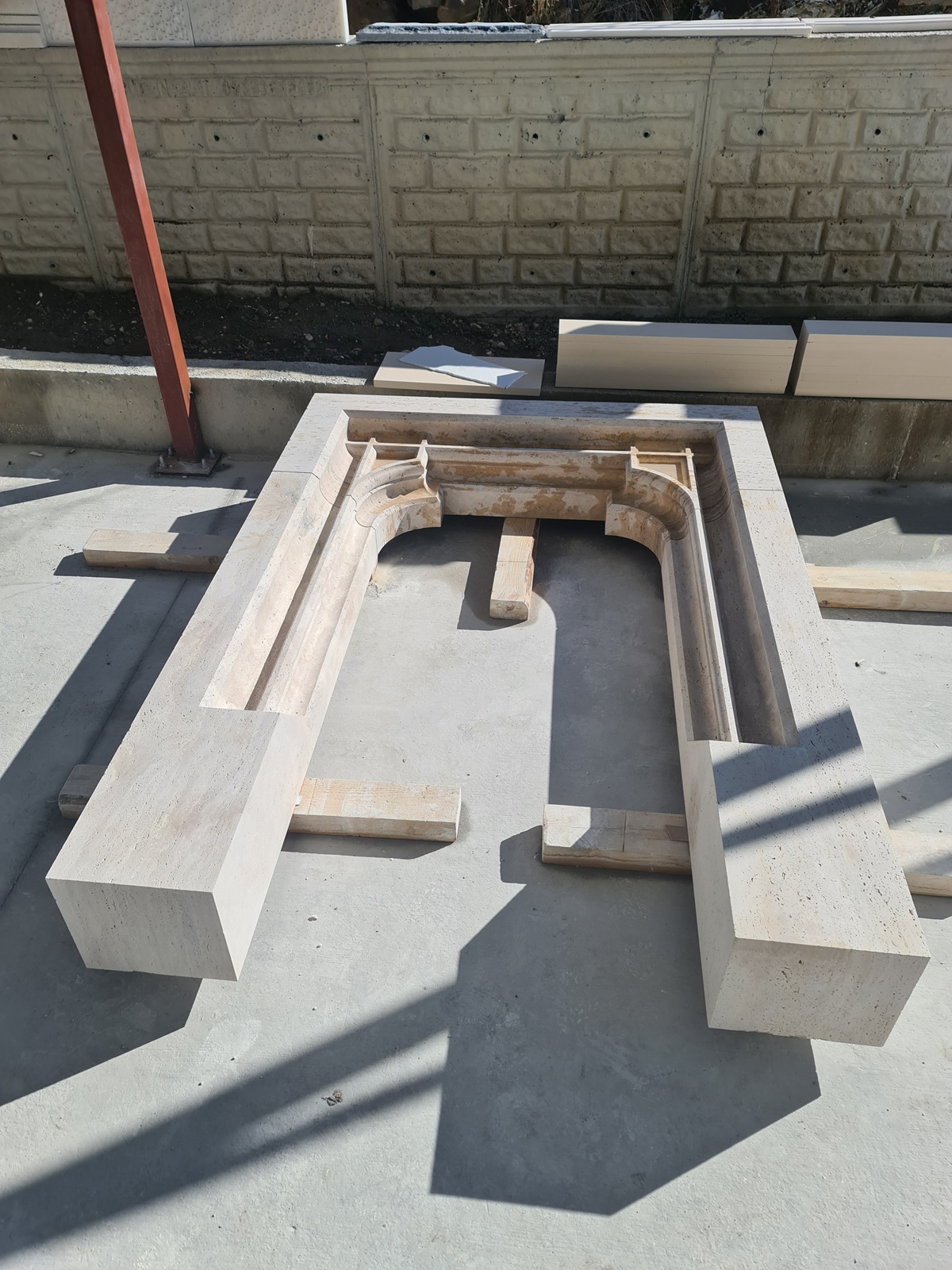
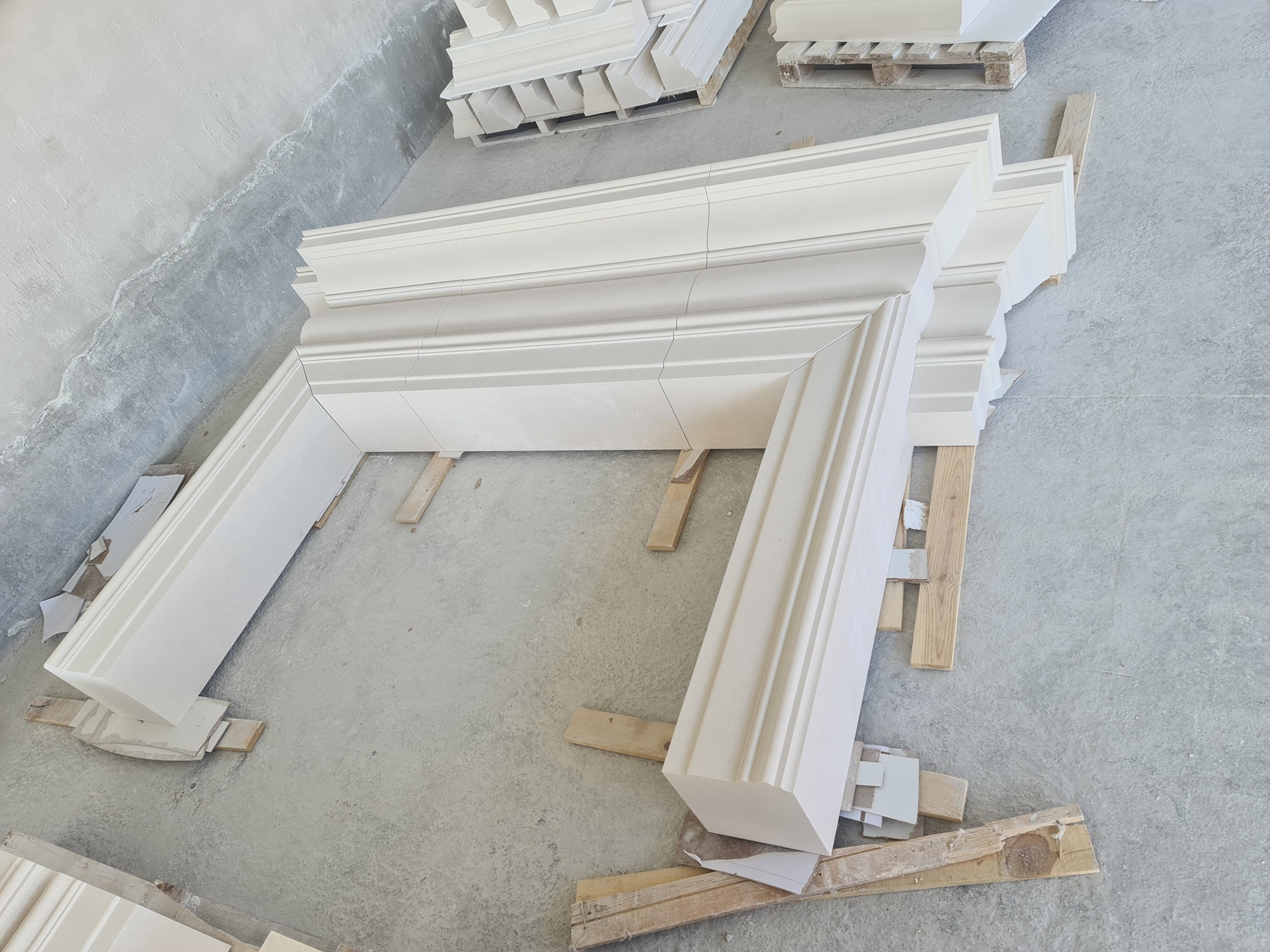
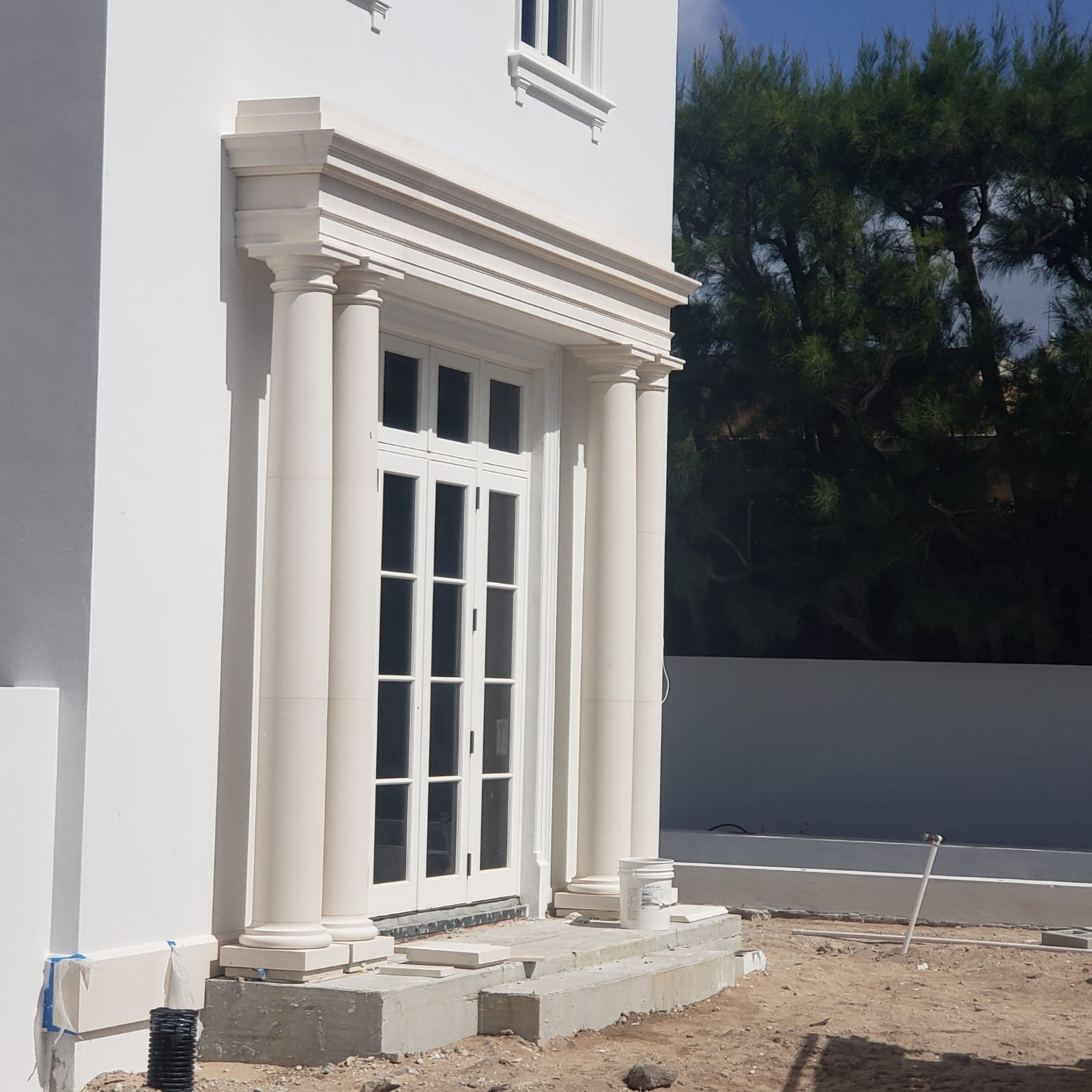
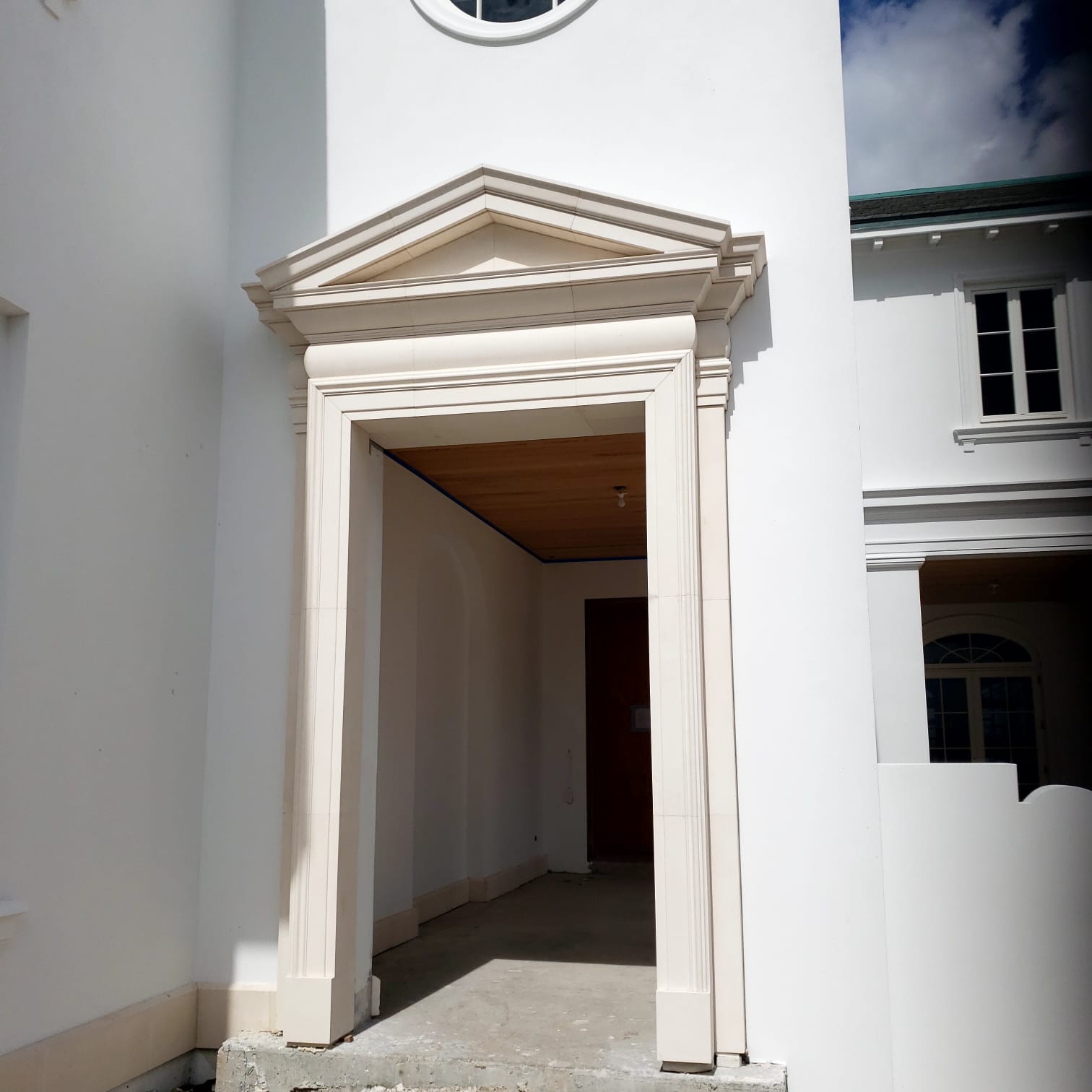
- Door and window surrounds
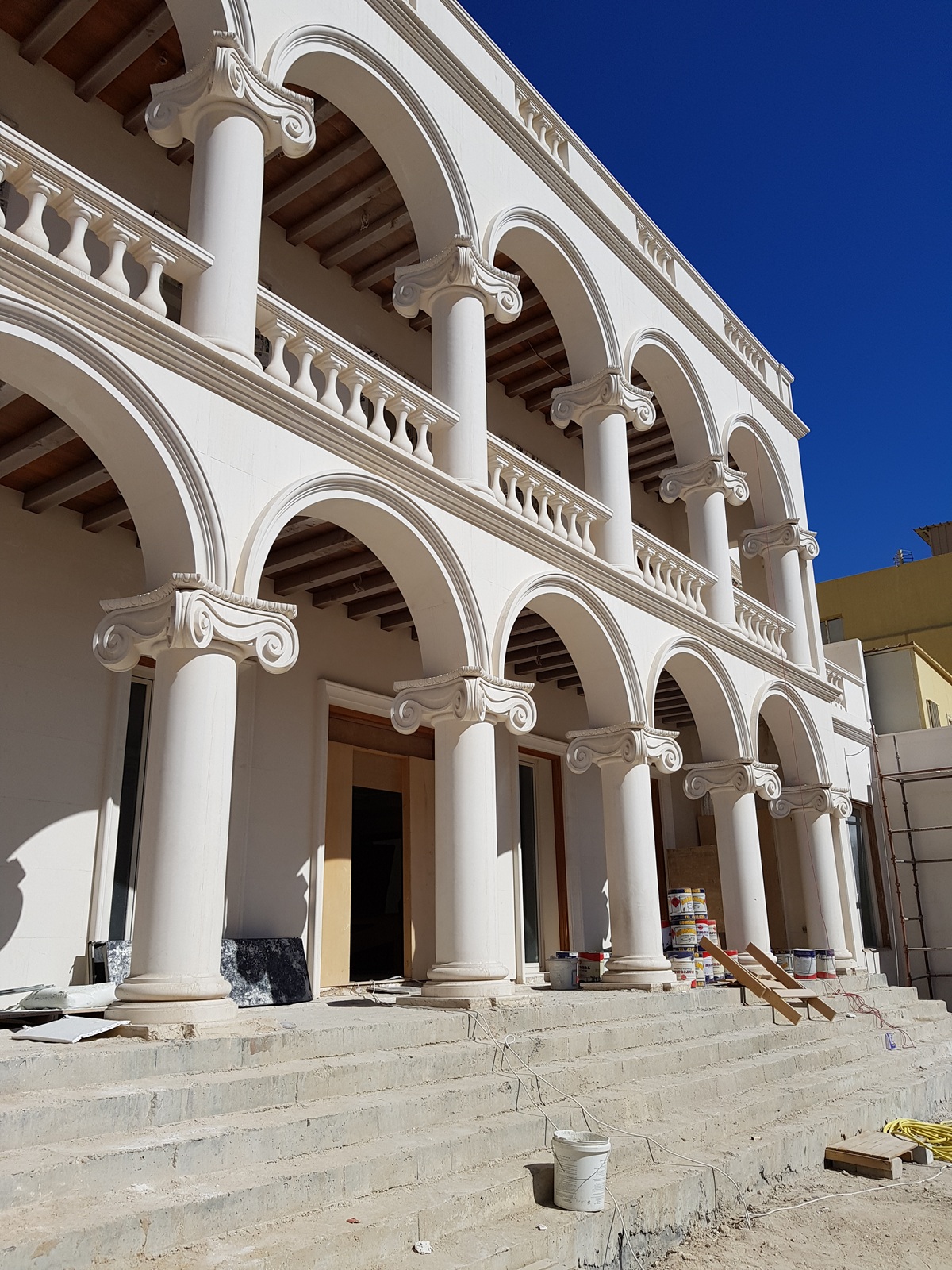
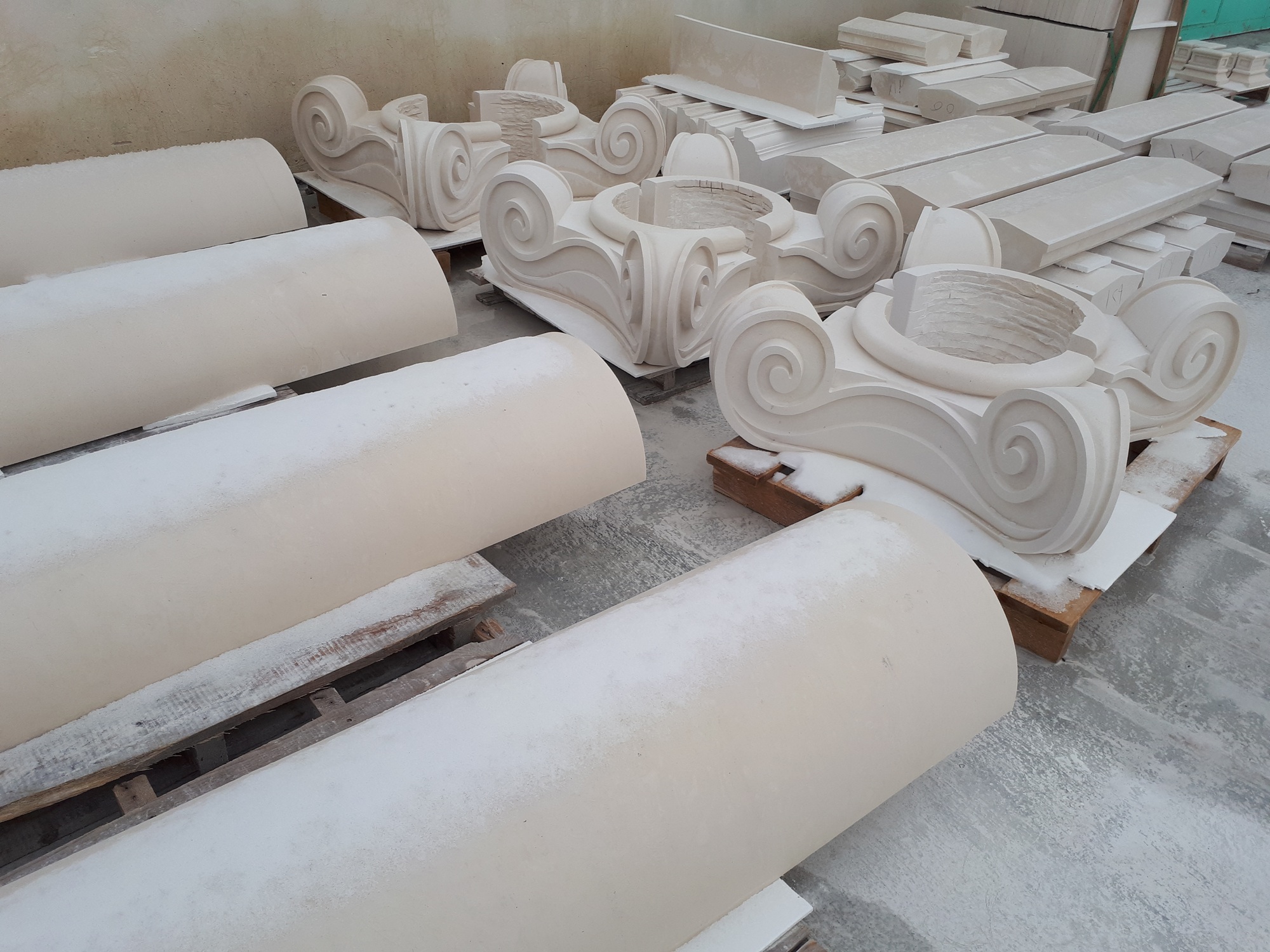
- Columns
- Capitals
- Balustrades
- Fireplace surrounds
- Wall caps
- Pier caps
- Cornices
- Mouldings
- Curved limestone
- Carved architectural elements
- Custom signs and logos
- Restoration components
- Cut-to-size limestone
DMR Limestone works with contractors from preliminary pricing and material sampling through production, inspection, packaging and export shipment.
Turkish Limestone for Construction Projects
Turkey offers a broad range of light-coloured limestone suitable for international building and landscape projects.
Available material categories include:
- Turkish limestone
- Limra limestone
- White limestone
- Antalya limestone
- Beige limestone
These materials may be manufactured for:
- Villas
- Hotels
- Resorts
- Commercial buildings
- Office developments
- Restaurants
- Retail projects
- Residential compounds
- Swimming pools
- Courtyards
- Landscape areas
- Restoration projects
- Cultural buildings
- Mixed-use developments
The correct limestone should be selected according to the application, required dimensions, climate, technical performance, surface finish and installation system.
Limestone Procurement Support for Contractors
Natural stone procurement requires coordination between design, manufacturing, logistics and site installation.
Contractors should manage:
- Approved material selection
- Stone colour range
- Surface-finish approval
- Product dimensions
- Required thicknesses
- Edge profiles
- Installation joints
- Mechanical fixing details
- Waterproofing interfaces
- Drainage requirements
- Production tolerances
- Site installation sequence
- Shipping programme
- Replacement quantities
- Spare material
DMR Limestone manufactures products according to approved project information and can organise packaging to support the contractor’s installation sequence.
Structural engineering, façade design, fixing calculations, waterproofing and code compliance must be completed by qualified project professionals.
Preliminary Limestone Quotation
For preliminary pricing, contractors may provide:
- Project name
- Project location
- Delivery destination
- Product categories
- Approximate quantities
- Preliminary dimensions
- Preferred limestone colour
- Surface finishes
- Available drawings
- Required delivery programme
Preliminary pricing may be based on incomplete information and should be updated when final drawings, dimensions and quantities become available.
Final Limestone Quotation
A detailed final quotation should be based on clearly defined requirements.
Useful information includes:
- Approved limestone
- Approved colour range
- Approved surface finish
- Final product dimensions
- Thicknesses
- Edge profiles
- Quantities
- Fixing preparation
- Curved components
- Carved components
- Packaging requirements
- Delivery destination
- Production schedule
- Shipping terms
Changes after quotation may affect:
- Material consumption
- Production time
- Packaging
- Shipping weight
- Container quantity
- Unit prices
- Delivery schedule
Bill of Quantities Review
A limestone bill of quantities may include:
- Product description
- Stone type
- Surface finish
- Dimensions
- Thickness
- Unit
- Quantity
- Edge profiles
- Fixing preparation
- Drawing reference
- Installation area
Contractors should verify whether quantities include:
- Waste
- Cutting losses
- Spare material
- Replacement pieces
- Corners
- End pieces
- Curved components
- Special profiles
- Breakage allowance
Square-metre quantities alone may not be sufficient for custom architectural stone.
Limestone Cutting Lists
Detailed cutting lists are especially important for custom-made products.
A cutting list may identify:
- Piece number
- Product type
- Length
- Width
- Thickness
- Quantity
- Surface finish
- Finished edges
- Rebates
- Grooves
- Holes
- Curved dimensions
- Installation location
- Drawing reference
- Crate sequence
Dimensions should clearly indicate whether they are:
- Finished stone dimensions
- Nominal dimensions
- Opening dimensions
- Dimensions including joints
- Dimensions excluding joints
Stone Schedules
A coordinated stone schedule can help prevent ambiguity between drawings and procurement documents.
The schedule may include:
- Building reference
- Elevation
- Floor
- Room
- Product code
- Limestone selection
- Finish
- Dimensions
- Thickness
- Edge treatment
- Quantity
- Fixing details
- Piece number
- Drawing revision
All project documents should use consistent product references.
Shop Drawing Coordination
Stone shop drawings may show:
- Façade panel layouts
- Floor layouts
- Piece numbers
- Joint locations
- Elevations
- Sections
- Edge profiles
- Fixing holes
- Anchor slots
- Curved geometry
- Corner details
- Staircase layouts
- Pool coping layouts
- Crate references
Before production, contractors should confirm that drawings are:
- Approved
- Fully coordinated
- Issued for production
- Based on verified site dimensions
- Consistent with architectural and structural drawings
- Based on the current revision
Site Measurements
Final site dimensions may differ from tender or design drawings.
Site verification may be required for:
- Door openings
- Window openings
- Staircases
- Curved walls
- Existing structures
- Pool shells
- Wall lengths
- Corners
- Restoration components
- Irregular landscape areas
Production based on unverified dimensions may result in installation conflicts.
Contractors should clearly identify which dimensions are confirmed and which remain subject to site measurement.
Physical Templates
Templates may be useful for:
- Curved pool coping
- Irregular walls
- Existing door openings
- Stair winders
- Replacement stones
- Restoration components
- Custom arches
- Complex corners
Templates should be:
- Dimensionally stable
- Clearly labelled
- Marked with orientation
- Marked with finished face
- Verified before shipment
- Linked to drawing references
Limestone Material Approval
Material approval should consider more than the stone’s name.
Contractors and consultants should review:
- Colour
- Tone
- Fossils
- Pore structure
- Shell fragments
- Natural markings
- Surface finish
- Filling
- Edge treatment
- Sealer effect
- Technical suitability
A single small sample does not show the full natural range of a large project.
Representative colour-range samples are recommended.
Limestone Colour-Range Approval
Natural limestone can vary between blocks and slabs.
A colour range may include:
- Lightest acceptable tone
- Darkest acceptable tone
- Typical fossils
- Typical pores
- Shell distribution
- Sedimentary markings
- Acceptable natural variation
Approved range samples help establish realistic inspection criteria.
Complete artificial uniformity should not be expected from natural stone.
Surface-Finish Approval
Available limestone finishes include:
- Honed limestone
- Tumbled limestone
- Brushed limestone
- Sandblasted limestone
The selected finish affects:
- Appearance
- Texture
- Colour
- Light reflection
- Slip resistance
- Cleaning
- Maintenance
- Interior or exterior suitability
Contractors should avoid approving finishes only from photographs because lighting and screen settings may change their appearance.
Full-Size Mock-Ups
A project mock-up can help confirm the complete installed appearance.
Mock-ups may include:
- Stone panels
- Joints
- Fixing details
- Edge profiles
- Corners
- Sealants
- Grout
- Adjacent materials
- Lighting
- Pool coping
- Pavers
- Stair treads
- Cleaning method
The approved mock-up may become the reference for:
- Colour range
- Surface finish
- Joint width
- Edge quality
- Panel alignment
- Installation appearance
- Sealant colour
- Workmanship
Limestone Façade Supply for Contractors
DMR Limestone manufactures cut-to-size limestone for complete and partial façade systems.
Products may include:
- Standard façade panels
- Large-format panels
- Horizontal courses
- Vertical panels
- Curved panels
- Rusticated panels
- Corner pieces
- Quoins
- Window surrounds
- Entrance portals
- Cornices
- String courses
- Soffit pieces
- Podium cladding
- Parapet coping
Explore:
- Exterior wall cladding
- Limestone wall cladding
- Limestone facade panels
Mechanically Fixed Limestone Panels
Stone panels can be prepared with:
- Anchor slots
- Kerfs
- Dowel holes
- Undercut-anchor holes
- Bracket recesses
- Support notches
- Lifting holes
- Custom fixing details
All fixing positions should follow approved façade-engineering drawings.
The contractor should coordinate:
- Façade engineer
- Structural engineer
- Stone manufacturer
- Fixing-system supplier
- Waterproofing contractor
- Insulation contractor
- Installation team
Limestone Façade Panel Sizes
Panel dimensions depend on:
- Quarry block size
- Slab availability
- Stone structure
- Panel thickness
- Fixing method
- Wind loads
- Panel weight
- Transport
- Site access
- Installation equipment
Large slab availability does not automatically prove that the same dimensions are suitable for a façade panel.
The full support and fixing system should be professionally engineered.
Limestone Façade Joint Coordination
Contractors should verify:
- Horizontal joints
- Vertical joints
- Opening dimensions
- Structural movement joints
- Sealant widths
- Corner joints
- Soffit joints
- Parapet joints
- Adjacent metalwork
- Drainage cavities
Joint layouts should remain consistent between architectural elevations, shop drawings and cutting lists.
Limestone Corner Details
Corner options may include:
- Open straight joints
- Mitred corners
- Solid corner pieces
- Bonded L-shaped components
- Alternating quoins
- Return panels
- Custom corner profiles
Each option affects:
- Cost
- Manufacturing
- Packaging
- Transport
- Site handling
- Repairability
- Installation time
Limestone for Villa Contractors
A complete limestone package for a villa may include:
- Façade panels
- Entrance portals
- Window surrounds
- Window sills
- Columns
- Capitals
- Balustrades
- Exterior stairs
- Interior flooring
- Fireplace surrounds
- Pool coping
- Pool-deck pavers
- Garden pathways
- Wall caps
- Pier caps
Explore:
- Villa facades
- Luxury residential projects
- Villa builders
Limestone for Hotel and Resort Contractors
Hotel and resort stone packages may include:
- Main façade cladding
- Entrance portals
- Lobby flooring
- Reception walls
- Restaurant floors
- Spa walls
- Guestroom corridors
- Resort villas
- Pool coping
- Pool-deck paving
- Courtyards
- Garden pathways
- Landscape walls
- Exterior stairs
- Water-feature components
Visit:
- Hotel and resort projects
- Hotel developers
Limestone for Commercial Contractors
Commercial applications may include:
- Office façades
- Retail entrances
- Corporate headquarters
- Restaurants
- Showrooms
- Cultural buildings
- Mixed-use developments
- Commercial lobbies
- Entrance plazas
- Exterior landscaping
Visit our commercial buildings page.
Limestone Interior Flooring
Limestone flooring may be supplied as:
- Square tiles
- Rectangular tiles
- Large-format panels
- Plank formats
- Random lengths
- French-pattern sets
- Modular patterns
- Borders
- Inlays
- Custom geometric pieces
Explore:
- Interior limestone flooring
- Limestone tiles
Contractors should coordinate:
- Tile dimensions
- Stone thickness
- Surface finish
- Joint width
- Floor build-up
- Substrate flatness
- Movement joints
- Door transitions
- Skirting
- Underfloor heating
- Installation sequence
Large-Format Limestone Floors
Large-format flooring requires additional planning for:
- Crate size
- Panel weight
- Unloading
- Internal transport
- Door access
- Lifting equipment
- Substrate flatness
- Full bedding support
- Lippage control
- Movement joints
The contractor should confirm that pieces can be transported from the unloading point to the installation area.
Limestone Interior Wall Cladding
Interior wall products may include:
- Standard wall tiles
- Large-format panels
- Full-height panels
- Horizontal strips
- Vertical modules
- Fluted panels
- Grooved panels
- Curved panels
- Carved reliefs
- Fireplace walls
Visit our interior wall cladding page.
Wall installation should consider:
- Substrate strength
- Panel weight
- Fixing method
- Mechanical support
- Lighting
- Electrical outlets
- Access panels
- Joint layout
- Maintenance access
Limestone Feature Walls
Feature-wall packages may include:
- Large panels
- Book-matched layouts
- Horizontal strips
- Vertical modules
- Fluted stone
- Carved panels
- Custom logos
- Integrated fireplaces
- Lighting recesses
- Television recesses
Dry layout and piece numbering may help contractors organise complex feature-wall installation.
Limestone Fireplace Surrounds
Custom fireplace products may include:
- Jambs
- Headers
- Mantel shelves
- Hearths
- Corbels
- Friezes
- Overmantels
- Full-height wall panels
- Mitred components
- Carved details
Visit our limestone fireplace surrounds page.
The contractor must coordinate:
- Firebox clearances
- Heat exposure
- Ventilation
- Supporting structure
- Local fire requirements
- Installation adhesives
- Movement around the firebox
Limestone Stair Components
Limestone stair packages may include:
- Treads
- Risers
- Landings
- Solid block steps
- Curved steps
- Winder steps
- Stair skirting
- Bullnose nosings
- Mitred drop faces
- Anti-slip grooves
- Side cladding
Visit our limestone stairs page.
Contractors should verify:
- Finished floor levels
- Riser heights
- Tread depths
- Nosing profiles
- Joint locations
- Supporting structure
- Edge strength
- Slip resistance
- Accessibility requirements
Limestone Window Sills
Custom sills may include:
- Sloped surfaces
- Drip grooves
- Front overhangs
- Side returns
- Horns
- Rebates
- Notches
- Moulded edges
- Curved pieces
Visit our limestone window sills page.
The contractor should coordinate sills with:
- Window frames
- Flashing
- Waterproofing
- Insulation
- Façade panels
- Sealant
- Drainage
Limestone Door and Window Surrounds
Components may include:
- Jambs
- Lintels
- Architraves
- Thresholds
- Deep reveals
- Arches
- Keystones
- Pediments
- Corner blocks
- Decorative mouldings
Explore our limestone door and window frames page.
Opening dimensions should be verified after structural and window-frame installation where required.
Limestone Columns
Columns may be produced as:
- Round columns
- Square columns
- Smooth columns
- Fluted columns
- Tapered columns
- Column drums
- Half columns
- Pilasters
- Curved cladding segments
Visit our limestone columns page.
The contractor should confirm whether the column is:
- Structural
- Decorative
- Solid stone
- Hollow
- Stone clad
- Segmental
- Installed around concrete or steel
- Mechanically fixed
Limestone Capitals
Capital styles may include:
- Tuscan
- Doric
- Ionic
- Corinthian
- Composite
- Modern simplified designs
- Custom carved capitals
Visit our limestone capitals page.
Complex capitals may require trial assembly before shipment.
Limestone Balustrades
Balustrade components may include:
- Turned balusters
- Square balusters
- Top rails
- Bottom rails
- Newel posts
- Stair rails
- Curved rails
- Post caps
Visit our limestone balustrades page.
The contractor must ensure that the complete balustrade system complies with applicable:
- Structural loads
- Guard heights
- Opening limits
- Stair regulations
- Fixing requirements
- Local codes
Limestone Cornices and Mouldings
Custom profiles may be manufactured for:
- Façade cornices
- String courses
- Door surrounds
- Window surrounds
- Fireplace surrounds
- Parapets
- Pediments
- Classical façades
- Interior walls
Contractors should provide:
- Scaled sections
- Profile dimensions
- Piece lengths
- Joint positions
- Corner details
- Return pieces
- Drip details
- Fixing requirements
Limestone Arches and Keystones
Arch components may include:
- Segmental arches
- Semicircular arches
- Elliptical arches
- Flat arches
- Pointed arches
- Voussoirs
- Keystones
- Spring blocks
- Inner architraves
- Outer architraves
Required information may include:
- Opening width
- Opening height
- Inner radius
- Outer radius
- Arch depth
- Number of pieces
- Joint width
- Keystone dimensions
- Support conditions
Limestone Pool Coping
Pool products may include:
- Straight-edge coping
- Bullnose coping
- Half-bullnose coping
- Drop-face coping
- Rebated coping
- Curved coping
- Radius corners
- Infinity-pool coping
- Overflow-channel components
- Drain covers
Visit:
- Pool surrounds
- Limestone pool coping
Pool Shell Verification
Pool coping should normally be based on verified pool-shell dimensions.
Contractors should confirm:
- Inner dimensions
- Outer dimensions
- Coping width
- Wall thickness
- Pool radius
- Corner geometry
- Overflow levels
- Waterproofing build-up
- Tile thickness
- Joint width
- Deck levels
Minor dimensional differences can affect curved coping and corner pieces.
Curved Pool Coping
Curved coping production requires:
- Inner radius
- Outer radius
- Arc angle
- Segment length
- Coping width
- Thickness
- Edge profile
- Drop-face depth
- Joint width
- Installation orientation
Pieces can be numbered according to the approved pool plan.
Limestone Pavers
Limestone pavers may be supplied for:
- Terraces
- Patios
- Courtyards
- Pool decks
- Garden pathways
- Hotel landscapes
- Entrance plazas
- Outdoor dining areas
- Commercial walkways
- Building forecourts
Visit our limestone pavers page.
Possible formats include:
- Square pavers
- Rectangular pavers
- Large-format pavers
- Plank formats
- Modular sets
- French patterns
- Random lengths
- Stepping stones
- Curved units
Limestone Garden Pathways
Garden products may include:
- Rectangular pavers
- Stepping stones
- Circular stones
- Random-length paving
- Curved path pieces
- Borders
- Garden steps
- Drain covers
Visit our garden pathways page.
Limestone for Landscape Contractors
Landscape packages may include:
- Pavers
- Pool coping
- Garden pathways
- Steps
- Wall caps
- Pier caps
- Planter coping
- Seating-wall caps
- Benches
- Water-feature stone
- Entrance monuments
- Property signs
Explore:
- Landscape architecture
- Landscape designers
Limestone Wall Caps
Wall-cap profiles may include:
- Flat caps
- Single-slope caps
- Double-slope caps
- Saddleback coping
- Bullnose caps
- Moulded caps
- Curved caps
- Seating-wall caps
Visit our limestone wall caps page.
Contractors should define:
- Wall width
- Overhang
- Slope
- Drip grooves
- Joint width
- Corner pieces
- End pieces
- Curved sections
Limestone Pier Caps
Pier-cap options may include:
- Flat caps
- Pyramid caps
- Hipped caps
- Moulded caps
- Round caps
- Finial-ready caps
- Lighting-ready caps
- Carved caps
Visit our limestone pier caps page.
Custom Cut-to-Size Limestone
DMR Limestone manufactures project-specific stone according to approved dimensions and fabrication details.
Custom work may include:
- Straight cutting
- Angled cutting
- Curved cutting
- Mitred edges
- Chamfers
- Bullnose profiles
- Ogee profiles
- Rebates
- Grooves
- Anchor slots
- Dowel holes
- Drip grooves
- Drainage grooves
- Lifting holes
- Cut-outs
- CNC engraving
- Relief carving
Visit our custom cut-to-size limestone page.
Limestone Slabs
Slabs may be supplied or processed for:
- Large-format flooring
- Wall panels
- Stair landings
- Fireplace walls
- Reception desks
- Furniture
- Custom fabrication
- Architectural components
Visit our limestone slabs page.
Limestone Thickness Selection
Possible limestone thicknesses may include:
- 10 mm
- 12 mm
- 15 mm
- 20 mm
- 30 mm
- 40 mm
- 50 mm
- Greater custom thicknesses
The contractor should not apply one standard thickness to every product.
Thickness depends on:
- Stone properties
- Product dimensions
- Support
- Traffic
- Vehicle loads
- Fixing method
- Edge profiles
- Cut-outs
- Climate
- Installation
- Handling
- Engineering requirements
Dimensional Tolerances
Required tolerances should be agreed before production.
Tolerances may vary according to:
- Product dimensions
- Thickness
- Limestone characteristics
- Surface finish
- Edge profile
- CNC fabrication
- Joint width
- Installation method
Natural stone should not be treated as a synthetic sheet product with no dimensional or visual variation.
Limestone Slip Resistance
Slip resistance should be considered for:
- Pool decks
- Exterior stairs
- Garden pathways
- Hotel entrances
- Commercial floors
- Restaurants
- Bathrooms
- Spa areas
- Exterior plazas
Performance depends on:
- Limestone selection
- Surface finish
- Wet or dry conditions
- Surface wear
- Cleaning
- Slope
- Sealer
- Barefoot or footwear use
- Applicable regulations
A textured appearance does not automatically prove compliance with a required slip-resistance classification.
Limestone Technical Evaluation
Depending on the project, technical assessment may include:
- Water absorption
- Apparent density
- Open porosity
- Compressive strength
- Flexural strength
- Abrasion resistance
- Freeze–thaw resistance
- Salt crystallisation
- Anchor resistance
- Slip resistance
- Petrographic analysis
Required standards and acceptance criteria should be specified before final material approval.
Limestone in Cold Climates
Cold-climate projects should evaluate:
- Freeze–thaw performance
- Stone saturation
- Drainage
- Base preparation
- Joint design
- Snow
- Ice
- De-icing chemicals
- Water behind façade panels
- Pool winterisation
Suitable stone selection must be supported by correct installation and water management.
Limestone in Hot Climates
Hot-climate projects should consider:
- Strong sunlight
- Surface temperature
- Thermal movement
- Expansion joints
- Irrigation
- Pool chemicals
- Dust
- Cleaning frequency
Light-coloured limestone is widely used in warm climates, but no stone surface should be assumed to remain cool under all conditions.
Limestone in Coastal Projects
Coastal projects may expose stone to:
- Salt spray
- High humidity
- Wind-driven rain
- Salt deposits
- Frequent wetting and drying
- Corrosive conditions
- Organic growth
Contractors should coordinate:
- Corrosion-resistant fixings
- Drainage
- Joint materials
- Regular rinsing
- Cleaning access
- Maintenance
Limestone Sealing
A suitable breathable stone sealer may be considered depending on:
- Stone porosity
- Surface finish
- Interior or exterior use
- Pool exposure
- Food and drink exposure
- Pollution
- Maintenance expectations
Sealer selection should be tested because it may affect:
- Colour
- Gloss
- Texture
- Slip resistance
- Vapour transmission
- Cleaning
Sealing does not make limestone waterproof, acid proof or completely stain proof.
Limestone Cleaning
Contractors should protect stone from inappropriate cleaning during and after construction.
Recommended practices include:
- Use pH-neutral natural stone cleaners
- Remove dust and grit regularly
- Clean spills promptly
- Avoid acidic chemicals
- Avoid vinegar
- Avoid aggressive descaling products
- Test cleaning methods
- Maintain drainage
- Protect stone during adjacent works
- Avoid uncontrolled high-pressure washing
Construction-Phase Protection
Installed limestone should be protected from:
- Cement
- Paint
- Welding
- Metal grinding
- Rust
- Oil
- Adhesives
- Scaffolding damage
- Heavy equipment
- Site traffic
- Acidic cleaners
- Standing water
Protection materials should not trap moisture or stain the stone.
Stone Storage on Site
Stone crates should be stored:
- On stable ground
- Away from traffic routes
- In accordance with crate orientation
- With suitable weather protection
- Without trapping condensation
- Close to the planned installation zone where practical
- With labels visible
- According to lifting instructions
Crates should not be dismantled without a plan for safe storage of individual pieces.
Unloading Limestone Crates
The contractor should arrange suitable:
- Forklift capacity
- Crane capacity
- Lifting straps
- Spreader beams
- Trained personnel
- Storage space
- Access routes
- Ground conditions
Stone crates and A-frames can be heavy.
Incorrect lifting may damage the stone, crate or surrounding property.
Dry Layout and Trial Assembly
Selected products may be dry laid or trial assembled before shipment.
Suitable products include:
- Large-format flooring
- Feature walls
- Fireplace surrounds
- Door surrounds
- Window frames
- Pool coping
- Curved components
- Carved elements
- Restoration pieces
Dry layouts can help review:
- Colour distribution
- Fossil distribution
- Joint alignment
- Profile continuity
- Curved geometry
- Piece numbering
- Overall appearance
Piece Numbering
Custom stone pieces can be numbered according to:
- Building
- Elevation
- Floor
- Room
- Door
- Window
- Staircase
- Pool
- Courtyard
- Landscape zone
- Installation sequence
- Crate number
Piece numbering supports installation but does not replace accurate site checking.
Packaging by Installation Sequence
Crates may be organised by:
- Building
- Elevation
- Floor
- Room
- Villa
- Pool
- Staircase
- Courtyard
- Landscape zone
- Product type
- Construction phase
This may reduce:
- Unnecessary unpacking
- Double handling
- Site congestion
- Search time
- Damage risk
- Installation delays
Export Packaging
Packaging may include:
- Reinforced wooden crates
- Pallets
- A-frame supports
- Vertical panel frames
- Foam separators
- Protective sheets
- Edge guards
- Bullnose protection
- Carving supports
- Piece labels
- Crate lists
The packaging method depends on:
- Product dimensions
- Stone weight
- Surface finish
- Edge profiles
- Curved geometry
- Transport route
- Site unloading method
Crate Lists
A crate list may include:
- Crate number
- Product type
- Piece references
- Quantity
- Net weight
- Gross weight
- Dimensions
- Installation area
- Drawing reference
Contractors should use crate lists when planning unloading and distribution.
International Shipping Coordination
International project supply may involve:
- Container planning
- Export documents
- Packing lists
- Commercial invoices
- Port handling
- Freight coordination
- Customs clearance
- Inland transport
- Site unloading
- Delivery sequencing
The buyer or contractor should confirm:
- Delivery terms
- Port of destination
- Import requirements
- Customs responsibilities
- Site access
- Unloading responsibilities
- Local transport restrictions
Production Programme
A realistic stone production programme should allow for:
- Material approval
- Sample preparation
- Mock-up approval
- Final drawings
- Cutting-list approval
- Quarry and block selection
- Production
- Quality control
- Dry layouts
- Packaging
- Container booking
- Shipping
Late drawing revisions may affect the complete programme.
Drawing Revision Control
Every project file should clearly show:
- Revision number
- Revision date
- Approval status
- Issued-for-production status
- Changed dimensions
- Changed quantities
- Superseded drawings
Production should not begin from documents that have unclear approval status.
Change Management
Project changes may involve:
- Stone type
- Colour range
- Surface finish
- Product dimensions
- Thickness
- Edge profiles
- Quantities
- Fixing details
- Packaging
- Delivery sequence
The impact of changes should be reviewed for:
- Cost
- Material already cut
- Production time
- Packing
- Shipping
- Site programme
Value Engineering for Contractors
Value engineering may improve budget and programme while preserving the design intent.
Possible reviews include:
- Standardising panel sizes
- Reducing unnecessary unique pieces
- Repeating profiles
- Segmenting oversized components
- Using mitred rather than solid pieces
- Optimising stone thickness
- Simplifying hidden edges
- Coordinating paver sizes with slab yield
- Reducing cutting waste
- Improving crate organisation
Value engineering should not compromise safety, durability or approved architectural quality.
Optimising Material Yield
Efficient cutting can reduce waste and improve project economics.
Material yield may be affected by:
- Panel dimensions
- Slab sizes
- Stone defects
- Curved pieces
- Thick components
- Profile depth
- Cutting direction
- Fossil orientation
- Required colour range
Repeated and coordinated dimensions may improve slab utilisation.
Replacement and Spare Material
Contractors should consider ordering spare material for:
- Flooring
- Façade panels
- Pool coping
- Pavers
- Stair treads
- Window sills
- Custom profiles
- Carved elements
Spare stone from the original production lot may provide better future visual compatibility than material ordered years later.
Replacement Pieces During Installation
Replacement requirements should include:
- Piece number
- Drawing reference
- Exact dimensions
- Finish
- Edge profiles
- Holes and rebates
- Photograph of damage
- Installation area
- Original crate reference
Replacement production may take time and should be incorporated into the project risk plan.
Limestone Installation
Installation should be completed by experienced natural stone contractors.
Depending on the product, installation may involve:
- Natural stone adhesive
- Mortar beds
- Exterior bedding systems
- Mechanical anchors
- Stainless-steel brackets
- Support rails
- Dowels
- Structural grout
- Waterproof membranes
- Movement joints
- Sealants
- Drainage layers
- Compacted paving bases
The installation method should match the product, substrate, load, exposure and engineering requirements.
Substrate Preparation
Substrates should be:
- Structurally suitable
- Clean
- Stable
- Properly cured
- Appropriately flat
- Compatible with natural stone
- Waterproofed where required
- Designed for expected loads
Poor substrate preparation may cause:
- Cracking
- Debonding
- Lippage
- Uneven joints
- Water accumulation
- Staining
- Movement
Movement Joints
Movement joints should be coordinated with:
- Structural joints
- Façade movement
- Large floor areas
- Heated floors
- Perimeters
- Doorways
- Changes in substrate
- Interior–exterior transitions
- Pool structures
- Exterior temperature movement
Movement joints should remain flexible where required.
Adhesive Selection
Adhesives should be selected according to:
- Limestone porosity
- Stone colour
- Tile dimensions
- Substrate
- Interior or exterior use
- Moisture
- Temperature
- Application thickness
- Local standards
The installer should confirm that the adhesive is suitable for natural limestone and will not cause staining or discolouration.
Grout Selection
Grout should be selected according to:
- Joint width
- Stone colour
- Surface texture
- Pore structure
- Interior or exterior use
- Moisture exposure
- Cleaning
- Staining risk
Grout should be tested on a sample before full installation, especially on textured or open-pore limestone.
Contractor Quality Control on Site
Site inspection may include:
- Crate condition
- Piece labels
- Dimensions
- Finish
- Colour distribution
- Edge quality
- Damage
- Fixing preparation
- Joint alignment
- Installation support
- Protection
- Cleaning
Any issue should be recorded before installation where possible.
Factory Quality Control
Factory inspection may include:
- Block and slab selection
- Colour-range control
- Fossil and pore assessment
- Length and width checks
- Thickness control
- Squareness
- Flatness
- Surface-finish inspection
- Edge-profile checks
- Hole and rebate inspection
- Curved-radius verification
- Carving review
- Piece-number control
- Packaging inspection
Limestone Production Process
A typical contractor-led project may include:
- Preliminary enquiry
- Drawing and quantity review
- Initial quotation
- Material sample selection
- Colour-range approval
- Surface-finish approval
- Mock-up production
- Final drawing coordination
- Cutting-list approval
- Block and slab selection
- Primary cutting
- Thickness calibration
- Surface finishing
- CNC fabrication
- Edge profiling
- Curved cutting
- Fixing preparation
- Carving where required
- Dimensional inspection
- Dry layout or trial assembly
- Piece numbering
- Packaging by installation sequence
- Crate-list preparation
- Container loading
- Export shipment
Limestone for Main Contractors
Main contractors may require coordination across several stone packages, including:
- Façades
- Interiors
- Swimming pools
- Landscapes
- Staircases
- Architectural details
DMR Limestone can manufacture coordinated products using the same or complementary limestone selections.
Clear division of responsibilities is essential where different subcontractors install different stone packages.
Limestone for Stone Subcontractors
Specialist stone subcontractors may source:
- Cut-to-size panels
- Finished edges
- Fixing preparation
- Dry-laid floors
- Numbered façade panels
- Curved coping
- Stair components
- Custom profiles
- Replacement pieces
Detailed fabrication drawings and site verification support efficient subcontractor installation.
Limestone for Procurement Companies
Procurement companies may source:
- Standard tiles
- Slabs
- Pavers
- Pool products
- Façade panels
- Architectural elements
- Mixed-product containers
- Complete project packages
Procurement documentation should clearly define product approvals, technical responsibility, inspection criteria and delivery terms.
Limestone for Importers Working with Contractors
Importers may coordinate local delivery and supply for construction projects.
Products may include:
- Tiles
- Slabs
- Pavers
- Façade cladding
- Pool coping
- Stair components
- Window sills
- Fireplace components
- Custom architectural stone
Visit our importers page.
Why Contractors Work with DMR Limestone
DMR Limestone combines Turkish natural stone supply with project-based manufacturing.
Our capabilities include:
- Turkish limestone
- Limra limestone
- White limestone
- Antalya limestone
- Beige limestone
- Honed limestone
- Tumbled limestone
- Brushed limestone
- Sandblasted limestone
- Tiles
- Slabs
- Pavers
- Façade panels
- Interior wall panels
- Flooring
- Pool coping
- Stair components
- Window sills
- Door and window surrounds
- Columns
- Capitals
- Balustrades
- Fireplace surrounds
- Wall caps
- Pier caps
- Cornices
- Curved limestone
- Carved architectural stone
- Cut-to-size manufacturing
- CNC fabrication
- Piece-numbered production
- Installation-sequence packaging
- Export-oriented packing
From standard flooring and paving orders to complete villa, hotel, façade and landscape packages, DMR Limestone can manufacture limestone according to approved project requirements.
Frequently Asked Questions for Contractors
Does DMR Limestone work with contractors?
Yes. We work with main contractors, stone subcontractors, façade contractors, pool contractors, procurement companies and project managers.
Can you price a project from tender drawings?
Preliminary pricing can be prepared from available drawings and quantities, subject to revision after final details are received.
What information is needed for preliminary pricing?
Project location, delivery destination, product types, approximate quantities, dimensions, finishes and available drawings are useful.
What is required for final pricing?
Final pricing should be based on approved materials, dimensions, thicknesses, finishes, edge profiles, quantities and fabrication details.
Can you review a bill of quantities?
Product categories, dimensions and quantities can be reviewed for limestone manufacturing, but the contractor remains responsible for final project quantities.
Can you create cutting lists from drawings?
Cutting-list development may be included depending on the agreed project scope and available drawings.
Can you manufacture directly from contractor cutting lists?
Yes, provided the lists are complete, coordinated, approved and issued for production.
Should site dimensions be verified before production?
Yes, particularly for openings, stairs, pools, curved walls, restoration elements and existing buildings.
Can you manufacture from physical templates?
Yes. Templates can support production of irregular, curved and replacement components.
Can you supply limestone samples?
Yes. Material, surface-finish, colour-range, edge-profile and selected full-size samples may be prepared.
Can colour-range samples be supplied?
Yes. Colour-range samples help define acceptable natural variation.
Can you produce full-size mock-ups?
Selected full-size project components may be produced where included in the agreed scope.
Can mock-ups include joints and fixings?
Stone components can be supplied for mock-ups. Final assembly, sealants and fixing-system coordination depend on the project team.
Can you manufacture limestone façade panels?
Yes. Standard, large-format, curved and custom façade panels can be manufactured.
Can mechanical fixing slots be prepared?
Yes. Slots, kerfs, holes and recesses can be machined according to approved technical drawings.
Do you engineer façade fixing systems?
No. Façade and structural engineering must be completed by qualified professionals. We manufacture stone according to approved details.
Can you produce large-format panels?
Yes. Maximum dimensions depend on block availability, stone structure, thickness, weight, transport and fixing requirements.
Can you manufacture façade corner pieces?
Yes. Mitred corners, solid pieces, returns and quoin elements may be produced.
Can façade panels be numbered?
Yes. Panels can be numbered according to elevation and installation position.
Can façade panels be packaged by elevation?
Yes. Crates may be organised by building, elevation, floor or installation phase.
Can you supply limestone flooring?
Yes. Tiles, large-format panels, random lengths, planks and modular patterns can be produced.
Can flooring be dry laid before shipment?
Selected flooring projects may be dry laid for colour blending and piece organisation.
Can large floor panels be supplied?
Yes, subject to stone availability, thickness, handling and installation limitations.
Can limestone be used with underfloor heating?
Selected limestone may be used with correctly designed underfloor-heating systems.
Can you supply interior wall panels?
Yes. Standard, large-format, full-height, fluted, grooved and custom panels can be manufactured.
Can you manufacture fireplace surrounds?
Yes. Modern, classical and custom fireplace components can be produced.
Can you supply limestone stairs?
Yes. Treads, risers, landings, curved steps, winder steps and solid steps can be manufactured.
Can stair treads include anti-slip grooves?
Yes. Grooves and inserts may be prepared according to approved details.
Can you manufacture window sills?
Yes. Sills may include slopes, drip grooves, returns, horns, rebates and custom profiles.
Can you supply door and window surrounds?
Yes. Jambs, lintels, architraves, thresholds, arches, keystones and pediments can be manufactured.
Can you manufacture columns and capitals?
Yes. Round, square, fluted, smooth and custom columns and capitals can be produced.
Can columns be supplied in separate sections?
Yes. Columns may be segmented according to manufacturing, transport and installation requirements.
Can you manufacture balustrades?
Yes. Balusters, rails, posts and curved sections can be supplied according to approved drawings.
Do you structurally design balustrades?
No. Structural and safety compliance should be designed and verified by qualified professionals.
Can you manufacture cornices and mouldings?
Yes. Linear and custom profiles can be produced from approved sections.
Can you manufacture arches and keystones?
Yes. Straight, curved, segmented and custom arch components can be manufactured.
Can you produce carved limestone?
Yes. CNC machining and hand finishing may be used for decorative stone elements.
Can you engrave logos and signs?
Yes. Lettering, logos, monograms, addresses and signs can be produced.
Can you supply pool coping?
Yes. Straight, bullnose, drop-face, curved and infinity-pool coping can be manufactured.
Should the pool shell be measured before coping production?
Yes. Final pool-shell and finish dimensions should be verified before production.
Can curved pool coping be numbered?
Yes. Individual pieces can be numbered according to the pool plan.
Can you supply limestone pavers?
Yes. Square, rectangular, large-format, modular, random-length and custom pavers can be produced.
Can limestone be used for vehicle areas?
Selected pavers may be suitable when stone dimensions, thickness, base and installation are designed for vehicle loads.
Can you supply wall and pier caps?
Yes. Flat, sloped, saddleback, bullnose, curved, pyramid and custom caps can be manufactured.
Can you manufacture custom cut-to-size stone?
Yes. Products can be cut, profiled, drilled, grooved, rebated, curved, mitred and engraved.
Can you work with DWG and DXF files?
Yes. Clearly coordinated digital files can support cutting, profiling and CNC fabrication.
Can curved stone be manufactured?
Yes. Curved façade panels, pool coping, stairs, arches, columns and landscape elements can be produced.
Can stone be manufactured with mitred edges?
Yes. Mitred coping, stair nosings, fireplaces, portals, columns and wall caps can be produced.
Which limestone finishes are available?
Honed, tumbled, brushed and sandblasted finishes are available for suitable materials.
Can several finishes be used in one project?
Yes. A project may combine honed interiors, sandblasted façades, brushed pool paving and tumbled garden paths.
Can exact colour uniformity be guaranteed?
No. Limestone is natural stone and may vary in colour, fossils, pores and geological markings.
Can limestone be colour blended?
Yes. Material may be blended by building, elevation, room, pool, courtyard or landscape zone.
Can every custom piece be numbered?
Yes. Piece numbering can follow approved drawings and installation areas.
Can products be packaged by installation sequence?
Yes. Packaging may be organised according to building, elevation, floor, room, pool or construction phase.
Can crate lists be supplied?
Yes. Crate lists may identify product references, quantities and installation zones.
How is limestone packaged for export?
Products may be packed in reinforced crates, pallets, A-frames or specialised supports according to size and fragility.
Who is responsible for unloading?
Responsibility depends on the agreed delivery terms. The buyer should confirm site equipment and unloading arrangements.
Can you organise international shipment?
Shipping coordination may be provided according to the agreed commercial and delivery terms.
Can mixed-product containers be prepared?
Yes. Tiles, pavers, coping and selected project products may be combined subject to safe loading and weight planning.
How should limestone be stored on site?
Crates should be placed on stable ground, protected appropriately and stored according to orientation and lifting instructions.
Does limestone need protection after installation?
Yes. Installed stone should be protected from construction traffic, paint, cement, metal grinding, oil and inappropriate cleaning chemicals.
Does limestone require sealing?
Sealing depends on the stone, finish, application and maintenance requirements.
Is limestone acid resistant?
No. Limestone can be damaged by acidic cleaners, vinegar and acid washing.
Can pressure washing be used?
Controlled methods may be suitable for selected exterior applications, but aggressive pressure may damage stone, joints or filling.
Is limestone suitable for wet areas?
Selected limestone may be suitable when slip resistance, waterproofing, drainage and maintenance are correctly addressed.
Can limestone be used in cold climates?
Selected materials may be suitable, but freeze–thaw performance, saturation, drainage and installation should be evaluated.
Can limestone be used in coastal environments?
Yes, provided salt exposure, drainage, corrosion-resistant fixings and maintenance are considered.
Can technical test information be supplied?
Available information depends on the selected limestone. Required tests should be identified before approval.
Can independent inspection be arranged?
Inspection requirements should be agreed before production and coordinated with the selected inspection company.
Can production photographs be supplied?
Production and packing photographs may be provided according to the agreed project documentation process.
Can replacement pieces be produced?
Yes. Replacement pieces can be manufactured from accurate dimensions, drawings and original production references.
Can exact colour matching be guaranteed for later replacements?
No. Natural stone from a later batch may vary. Ordering spare material with the original project is recommended.
How much spare stone should be ordered?
The required spare quantity depends on product type, project size, installation risk and future maintenance strategy.
Can DMR Limestone support value engineering?
Dimensions, profiles, segmentation, repetition and fabrication methods can be reviewed to improve manufacturability and material yield.
What can delay limestone production?
Delays may result from late approvals, drawing changes, missing dimensions, unverified site measurements, complex carving, sample revisions or shipping availability.
When should production begin?
Production should begin after material, finish, drawings, dimensions, quantities and revisions are formally approved.
What information should accompany a purchase order?
The purchase order should reference:
- Approved quotation
- Product specifications
- Quantities
- Drawings
- Revisions
- Finishes
- Delivery terms
- Delivery destination
- Required schedule
- Packaging requirements
Request Limestone Pricing for Your Construction Project
Are you managing a villa, hotel, resort, commercial building, façade, interior, swimming pool, landscape or restoration project?
Contact DMR Limestone to request:
- Turkish limestone samples
- Limra limestone
- White limestone
- Antalya limestone
- Beige limestone
- Honed limestone
- Tumbled limestone
- Brushed limestone
- Sandblasted limestone
- Colour-range samples
- Full-size mock-up pieces
- Limestone tiles
- Limestone slabs
- Exterior pavers
- Façade panels
- Interior wall panels
- Pool coping
- Pool-deck stone
- Stair components
- Window sills
- Door and window surrounds
- Columns and capitals
- Balustrades
- Fireplace surrounds
- Wall and pier caps
- Cornices and mouldings
- Curved limestone
- Carved architectural stone
- Custom cut-to-size production
- CNC fabrication
- Piece-numbered packaging
- Installation-sequence packing
- Project-specific quotations
Send us your project drawings, bill of quantities, cutting lists, required limestone, surface finishes, dimensions, quantities, project location and delivery destination to receive a detailed quotation.