
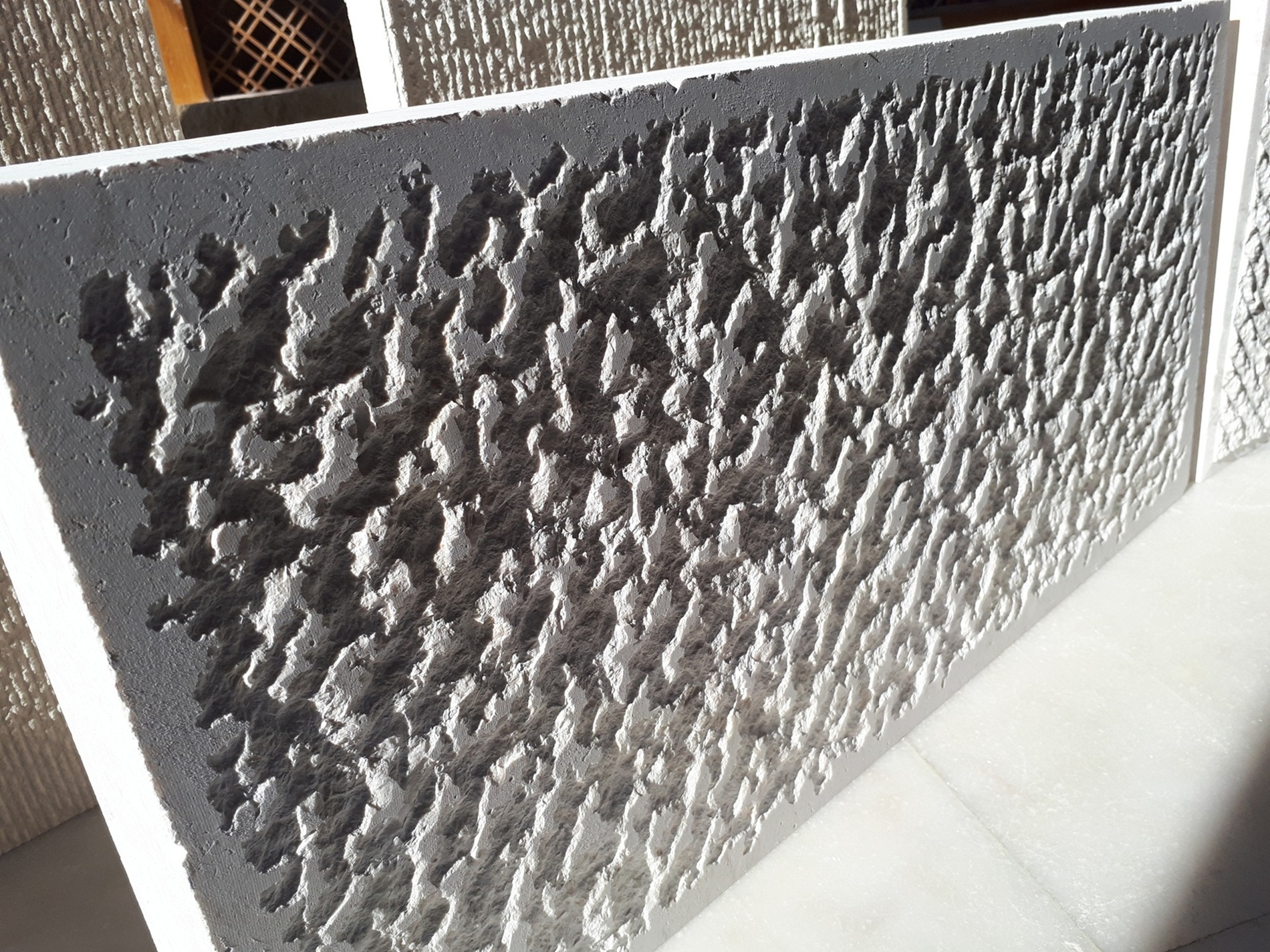
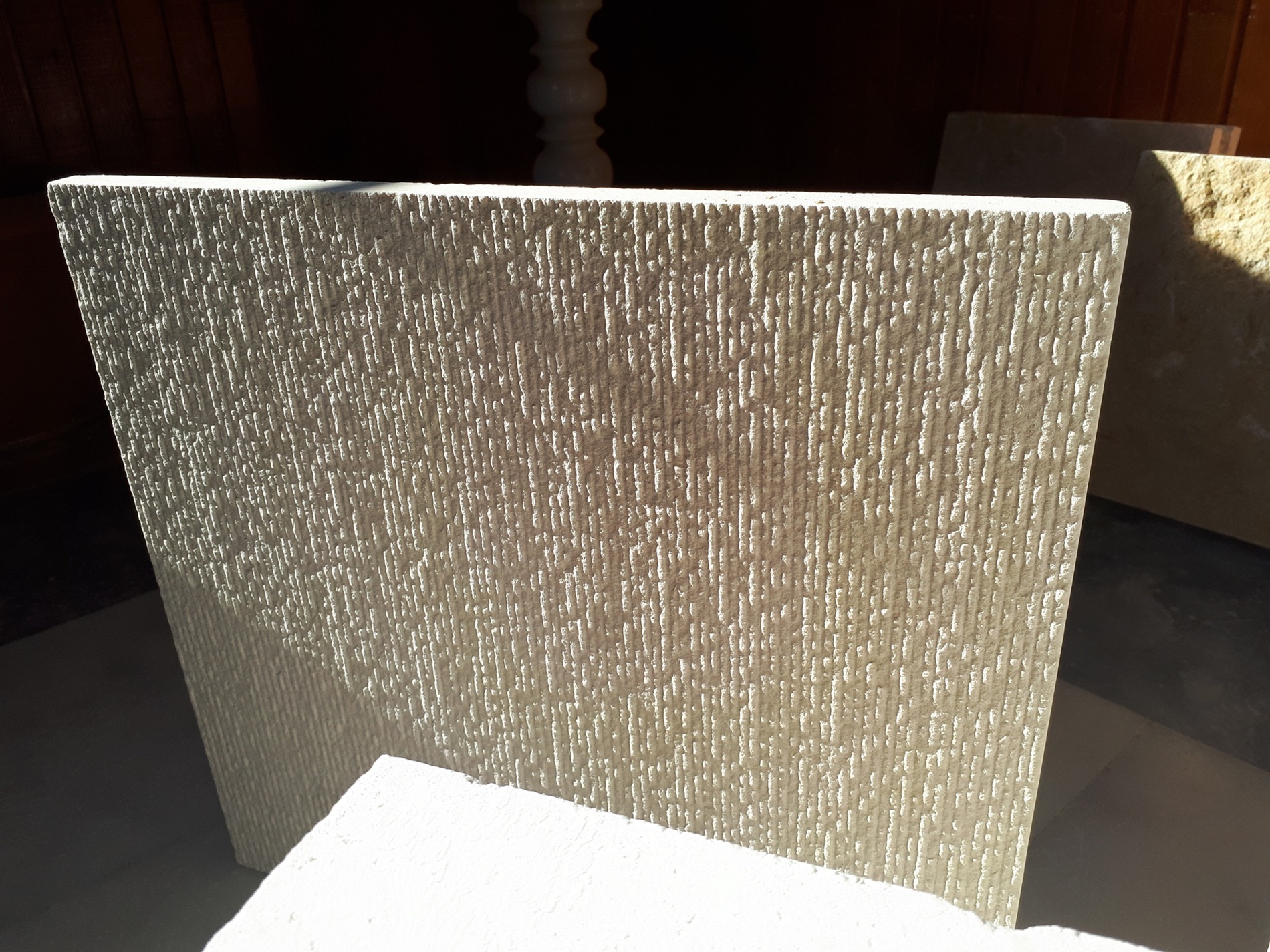

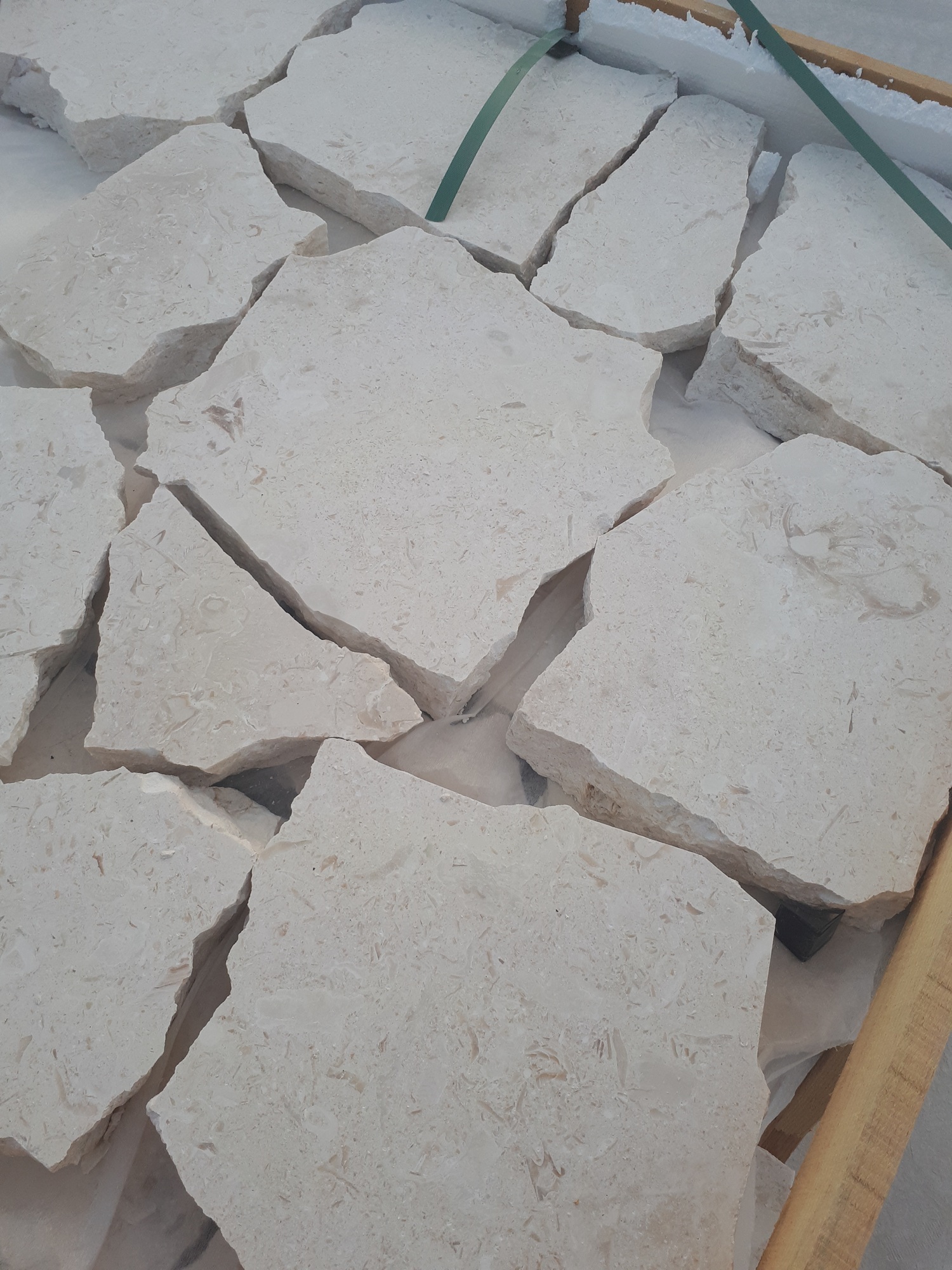
Limestone Garden Pathways for Villas, Hotels and Landscapes
DMR Limestone manufactures and supplies premium limestone garden pathways for private villas, luxury residences, hotels, resorts, courtyards, commercial landscapes and outdoor architectural projects worldwide.
Natural limestone can be used to create formal walkways, informal garden paths, stepping-stone routes, curved pathways and coordinated pedestrian connections between buildings, terraces, pools and landscape areas.
Produced from carefully selected Turkish limestone, our garden-path products can be manufactured in standard or custom dimensions with textured finishes suitable for outdoor use.
Applications may include:
- Villa entrance paths
- Garden walkways
- Pool-access paths
- Courtyard paths
- Hotel garden routes
- Resort-villa pathways
- Outdoor dining access
- Guesthouse paths
- Spa-garden walkways
- Pergola routes
- Water-feature paths
- Commercial pedestrian areas
- Stepping-stone paths
- Gravel-and-stone pathways
DMR Limestone can manufacture garden paving according to:
- Landscape plans
- Paving layouts
- Path widths
- Radius drawings
- Module schedules
- Border details
- Surface-finish requirements
- Thickness requirements
- Installation methods
- Project quantities
Our garden pathway products may include:
- Rectangular limestone pavers
- Square pavers
- Large-format path slabs
- Random-length paving
- Modular paving
- Stepping stones
- Circular stepping stones
- Curved path pieces
- Border stones
- Garden steps
- Drain covers
- Custom CNC-cut pathway components
Why Choose Limestone for Garden Pathways?
Limestone creates a refined and natural transition between architecture and planting.
Its white, cream and beige colours can complement contemporary villas, Mediterranean gardens, classical landscapes and hospitality projects.
The main advantages include:
- Authentic natural stone appearance
- White, cream and beige colour options
- Compatibility with modern and traditional gardens
- Multiple textured surface finishes
- Standard and custom sizes
- Straight and curved layouts
- Large-format paving options
- Stepping-stone production
- Coordination with terraces and pools
- Matching stairs, wall caps and coping
- Custom border and edging pieces
- Suitable for villas, hotels and commercial landscapes
- CNC-cut custom forms
- Project-specific piece numbering
- Installation-zone packaging
Limestone pathways can connect outdoor spaces while maintaining a consistent material palette throughout the project.
Turkish Limestone Garden Paths
Turkey is internationally recognised for natural stone quarrying and architectural stone processing.
Turkish limestone is suitable for garden pathways because of its:
- Natural light colour range
- Suitability for textured finishes
- Compatibility with precision cutting
- Availability in multiple thicknesses
- Ability to be produced in large formats
- Suitability for curved and custom pieces
- Coordination with façade and pool products
- Availability for project-based export
DMR Limestone supplies Turkish limestone garden paving for international residential, hospitality and commercial landscape projects.
Learn more about our material range on the Turkish limestone page.
White Limestone Garden Pathways
White limestone creates a bright, elegant and contemporary garden appearance.
It is frequently selected for:
- Modern villas
- Coastal gardens
- Luxury hotels
- Minimalist landscapes
- Pool-access paths
- Courtyards
- Entrance walkways
- Formal gardens
- Contemporary commercial landscapes
White limestone works especially well with:
- Green planting
- Dark gravel
- Black metal edging
- Timber pergolas
- White architecture
- Blue swimming pools
- Bronze lighting
- Modern outdoor furniture
DMR Limestone supplies selected white limestone for pathways, stepping stones and landscape paving.
Natural fossils, shell fragments, pores and tonal differences are expected characteristics of authentic limestone.
Limra Limestone Garden Pathways
Limra limestone is a light cream to white natural stone quarried in the Antalya region of Turkey.
Its refined colour and architectural workability make it suitable for:
- Villa garden paths
- Hotel walkways
- Pool-access routes
- Courtyard paving
- Stepping stones
- Garden steps
- Entrance paths
- Spa gardens
- Resort landscapes
- Commercial courtyards
Limra limestone can be manufactured with brushed, sandblasted, tumbled, sawn and project-specific finishes.
The final finish should reflect the path slope, climate, traffic, cleaning programme and required slip resistance.
Beige Limestone Garden Paths
Beige limestone creates a warmer and more traditional garden appearance.
It is suitable for:
- Mediterranean villas
- Country houses
- Resort gardens
- Rustic landscapes
- Courtyards
- Traditional hotels
- Heritage-style properties
- Naturalistic planting designs
Beige limestone complements:
- Gravel
- Timber
- Terracotta
- Bronze
- Olive trees
- Lavender
- Warm render colours
- Traditional garden structures
Explore our beige limestone range.
Limestone Pathways for Villa Gardens
Garden pathways are an important part of luxury villa landscape design.
They may connect:
- Entrance gates to the residence
- Main house to the swimming pool
- Villa to the guesthouse
- Terrace to the garden pavilion
- Pool area to the outdoor shower
- Courtyard to the driveway
- Residence to the outdoor kitchen
- Garden to water features
- Main entrance to side gardens
A coordinated villa landscape package may include:
- Limestone pavers
- Limestone stairs
- Limestone pool coping
- Limestone wall caps
- Limestone pier caps
- Limestone wall cladding
Visit our villa facades and luxury residential projects pages.
Limestone Pathways for Hotels and Resorts
Hotels and resorts often require extensive pedestrian circulation through landscaped outdoor areas.
Applications may include:
- Guestroom pathways
- Resort-villa routes
- Spa-garden walkways
- Pool-access paths
- Restaurant routes
- Beach-club access
- Courtyard paths
- Garden trails
- Event-space access
- Service-area pedestrian routes
DMR Limestone can manufacture and package pathway stone according to:
- Building
- Landscape zone
- Pool area
- Villa number
- Path type
- Installation sequence
- Construction phase
Visit our hotel and resort projects page.
Limestone Pathways for Commercial Landscapes
Commercial garden and courtyard projects may include:
- Office walkways
- Retail landscaping
- Restaurant gardens
- Showroom paths
- Cultural-building grounds
- Mixed-use courtyards
- Corporate gardens
- Public entrance routes
- Pedestrian plazas
Commercial pathways should consider:
- Traffic volume
- Accessibility
- Slip resistance
- Drainage
- Maintenance
- Cleaning equipment
- Edge stability
- Replacement access
- Local regulations
Visit our commercial buildings page.
Formal Limestone Garden Pathways
Formal garden paths are usually defined by clear geometry, symmetrical layouts and controlled planting.
Design characteristics may include:
- Straight pathways
- Central axes
- Repeated paver modules
- Consistent borders
- Symmetrical garden beds
- Formal stairs
- Fountains
- Balustrades
- Columns
- Terminating focal points
Formal paths are suitable for:
- Classical villas
- Mansions
- Hotels
- Courtyard gardens
- Heritage-style landscapes
- Estate entrances
Informal Limestone Garden Paths
Informal pathways create a softer and more natural garden appearance.
They may use:
- Stepping stones
- Curved routes
- Random-length pavers
- Gravel joints
- Irregular spacing
- Natural planting
- Soft landscape edges
Informal garden paths are suitable for:
- Country houses
- Mediterranean villas
- Resort gardens
- Naturalistic landscapes
- Private garden trails
Modern Limestone Walkways
Modern garden pathways often use simple geometric forms and limited materials.
Typical features include:
- Large rectangular pavers
- Narrow joints
- Gravel borders
- Linear lighting
- Flush lawn transitions
- Minimal edging
- Large stepping stones
- Straight or gently curved layouts
- Coordinated wall and pool stone
Modern pathways can connect visually with large-format façade panels and terrace paving.
Mediterranean Limestone Garden Paths
Mediterranean garden paths often use warm cream or beige limestone with softened edges.
Typical characteristics include:
- Tumbled pavers
- Random-length paving
- Gravel joints
- Olive trees
- Lavender planting
- Timber pergolas
- Terracotta pots
- Limestone walls
- Courtyard fountains
Suitable finishes may include:
- Tumbled limestone
- Brushed limestone
- Sandblasted limestone
- Chiselled edges
Limestone Entrance Paths
Entrance paths create the first pedestrian connection between the gate, driveway and building.
Applications may include:
- Villa entrance paths
- Hotel entrance routes
- Commercial garden entrances
- Gatehouse walkways
- Courtyard access
- House-number approaches
Entrance paths can be coordinated with:
- Gate pillars
- Pier caps
- Boundary walls
- Entrance stairs
- Façade cladding
- Exterior lighting
- Landscaping
Related products include:
- Limestone pier caps
- Limestone wall caps
- Limestone stairs
Limestone Pool-Access Paths
Pool-access paths connect the main building, garden and pool terrace.
They should consider:
- Barefoot traffic
- Wet footwear
- Drainage
- Surface temperature
- Slip resistance
- Pool chemicals
- Irrigation
- Cleaning
The path finish may coordinate with the pool deck while using different paver dimensions.
Explore our pool surrounds and limestone pool coping pages.
Limestone Courtyard Paths
Courtyards often combine pathways, paving, walls and planting in a defined architectural space.
Limestone may be used for:
- Main courtyard paving
- Narrow circulation paths
- Fountain surrounds
- Arcades
- Garden steps
- Seating areas
- Door thresholds
- Drain covers
- Wall caps
Courtyard pathways can use formal modules or traditional random-length paving.
Limestone Spa-Garden Walkways
Spa gardens require calm, comfortable and carefully drained pedestrian routes.
Applications may include:
- Treatment-room access
- Relaxation-garden paths
- Indoor-to-outdoor transitions
- Pool and sauna routes
- Meditation gardens
- Private treatment courtyards
The pathway finish should consider barefoot use, wet conditions and cleaning requirements.
Limestone Stepping-Stone Paths
Stepping stones create a lighter visual connection through lawns, gravel and planting.
They may be used in:
- Villa gardens
- Pool landscapes
- Courtyards
- Hotel gardens
- Gravel landscapes
- Garden beds
- Water-feature areas
- Guesthouse routes
Stepping stones can be produced as:
- Rectangular slabs
- Square slabs
- Circular stones
- Irregular shapes
- Large-format pieces
- Custom CNC-cut forms
Rectangular Limestone Stepping Stones
Rectangular stepping stones create a modern, organised appearance.
They are suitable for:
- Minimalist gardens
- Lawn paths
- Gravel paths
- Pool access
- Contemporary villas
- Hotel landscapes
Possible layouts include:
- Regular spacing
- Alternating lengths
- Offset patterns
- Wide linear slabs
- Double-row paths
Square Limestone Stepping Stones
Square stepping stones create a simple modular layout.
They can be used in:
- Lawns
- Courtyards
- Gravel gardens
- Entrance landscapes
- Pool-house access
- Side gardens
Square modules can be aligned with building grids and landscape walls.
Circular Limestone Stepping Stones
Circular stepping stones create a softer and more decorative pathway.
They may be used in:
- Informal gardens
- Children’s garden areas
- Spa gardens
- Resort landscapes
- Curved pathways
- Decorative water-feature zones
Circular pieces can be produced in standard or custom diameters.
Irregular Limestone Stepping Stones
Irregular stepping stones create a more naturalistic garden appearance.
They may be used in:
- Country gardens
- Natural planting
- Rustic landscapes
- Informal paths
- Woodland-style gardens
The final arrangement should provide stable, comfortable walking distances and suitable support beneath every piece.
Large-Format Limestone Path Slabs
Large-format slabs create a bold contemporary pathway.
They are suitable for:
- Luxury villas
- Modern hotels
- Commercial courtyards
- Pool landscapes
- Minimalist gardens
- Entrance paths
Large pieces require careful consideration of:
- Thickness
- Weight
- Handling
- Base preparation
- Point support
- Movement
- Installation access
Random-Length Limestone Pathways
Random-length paving uses pieces with consistent widths and varying lengths.
It is suitable for:
- Garden paths
- Courtyards
- Mediterranean villas
- Hotel landscapes
- Traditional residences
- Restaurant gardens
The layout should avoid:
- Repetitive joints
- Very short pieces
- Continuous cross joints
- Narrow unstable cuts
Modular Limestone Garden Paving
Modular patterns use several coordinated stone sizes.
They can create a more varied surface while maintaining an organised layout.
Modular paving is suitable for:
- Courtyards
- Garden walkways
- Terraces
- Resort landscapes
- Traditional villas
- Outdoor dining areas
French-Pattern Garden Paths
French-pattern paving uses a repeating combination of square and rectangular modules.
It may be selected for:
- Mediterranean gardens
- Courtyards
- Country houses
- Resort projects
- Traditional outdoor spaces
The pattern dimensions and joint widths should be confirmed before production.
Linear Limestone Pathways
Linear paths use long rectangular pavers aligned in one direction.
They can visually:
- Lengthen a garden
- Direct movement
- Emphasise entrances
- Connect architectural volumes
- Create a contemporary appearance
Linear paving may be installed:
- Lengthwise
- Crosswise
- In alternating bands
- With gravel joints
- With contrasting borders
Curved Limestone Garden Paths
Curved paths create softer movement through a landscape.
They may connect:
- Garden rooms
- Pool areas
- Pavilions
- Water features
- Guesthouses
- Spa gardens
- Viewpoints
Curved paths can be produced using:
- Small rectangular pavers
- Tapered pieces
- Radius-cut slabs
- Segmented borders
- Custom CNC-cut paving
Radius-Cut Limestone Paving
Custom radius pieces can create more precise curved pathways.
Production requires:
- Inner radius
- Outer radius
- Path width
- Arc angle
- Segment length
- Joint width
- Surface finish
- Installation sequence
Radius pieces can be numbered according to the landscape plan.
Limestone Path Borders
Borders help define and stabilise a pathway.
They may be produced as:
- Narrow limestone strips
- Rectangular border stones
- Contrasting pavers
- Raised edges
- Flush edges
- Curved border pieces
- Bullnose edging
- Custom profiles
Borders can separate the path from:
- Lawn
- Gravel
- Planting beds
- Water features
- Driveways
- Mulch
- Soil
Limestone Garden Edging
Garden edging can be used around:
- Paths
- Planting beds
- Lawns
- Gravel areas
- Tree pits
- Courtyards
- Water features
Edge pieces may be:
- Straight
- Curved
- Flush
- Raised
- Bevelled
- Rounded
- Textured
The edging system should provide adequate lateral support where required.
Gravel and Limestone Pathways
Limestone stepping stones or pavers can be combined with gravel.
Possible designs include:
- Large slabs with gravel joints
- Stepping stones in gravel
- Limestone borders around gravel paths
- Alternating stone and gravel bands
- Gravel paths terminating at stone terraces
The gravel depth, stone support and edge restraint should be designed to prevent movement.
Grass-Jointed Limestone Paths
Pavers may be installed with planted joints to create a softer landscape effect.
The design should consider:
- Joint width
- Grass type
- Irrigation
- Soil depth
- Maintenance
- Stone edge support
- Mowing
- Drainage
- Settlement
Grass joints may require more maintenance than standard filled joints.
Limestone Pathways Between Planting Beds
Pathways through dense planting should consider:
- Plant growth
- Root systems
- Irrigation
- Leaf deposits
- Soil migration
- Organic staining
- Maintenance access
- Path width
Suitable edging can help prevent soil and mulch from moving onto the stone.
Limestone Paths Around Water Features
Garden pathways may pass beside:
- Fountains
- Reflecting pools
- Water walls
- Garden channels
- Ponds
- Cascades
The path design should consider:
- Splashing
- Wet surfaces
- Biological growth
- Drainage
- Water chemistry
- Slip resistance
- Cleaning access
Limestone Garden Steps
Changes in landscape level may require steps within the pathway.
Garden steps may be produced as:
- Solid block steps
- Tread-and-riser systems
- Wide landscape steps
- Curved steps
- Bullnose steps
- Mitred steps
- Platform steps
- Irregular naturalistic steps
Visit our limestone stairs page.
Solid Limestone Garden Steps
Solid stone steps create a substantial and permanent appearance.
They are suitable for:
- Sloped villa gardens
- Hotel landscapes
- Garden terraces
- Entrance routes
- Pool landscapes
- Courtyards
Solid steps may require:
- Engineered support
- Suitable foundations
- Lifting equipment
- Crane access
- Transport planning
- Safe installation procedures
Garden Pathway Landings
Landings may be required:
- At stair changes
- In front of gates
- At doorways
- Beside garden benches
- At pathway intersections
- Near water features
- At changes in direction
Landing dimensions should provide safe and comfortable pedestrian use.
Pathway Width
The appropriate pathway width depends on its function.
Factors include:
- Single-person use
- Two-way pedestrian traffic
- Wheelchair access
- Hotel guest circulation
- Garden maintenance
- Luggage movement
- Service access
- Furniture movement
- Pathway importance
Main entrance routes are generally wider than informal garden trails.
Accessibility requirements should be confirmed by qualified project professionals.
Limestone Pathway Thickness
The required thickness depends on:
- Paver dimensions
- Installation method
- Base
- Pedestrian traffic
- Service loads
- Stone characteristics
- Climate
- Point loading
- Edge support
Large-format stepping stones and standard paving may require different thicknesses.
Standard pedestrian pavers should not automatically be used in vehicle-access areas.
Surface Finishes for Garden Pathways
Brushed Limestone Garden Paths
Brushed limestone has a lightly textured and natural surface.
It is suitable for:
- Villa walkways
- Hotel gardens
- Courtyards
- Pool-access paths
- Terraces
- Outdoor living spaces
Sandblasted Limestone Garden Paths
Sandblasted limestone creates a textured, non-reflective finish.
It is frequently considered for:
- Entrance paths
- Garden steps
- Pool routes
- Commercial walkways
- Hotel landscapes
- Sloped paths
Tumbled Limestone Garden Paths
Tumbled limestone has softened edges and an aged appearance.
It is suitable for:
- Mediterranean gardens
- Country houses
- Courtyards
- Traditional hotels
- Rustic outdoor spaces
Bush-Hammered Limestone Garden Paths
Bush hammering creates a rough and consistent texture.
It may be used for:
- Commercial walkways
- Exterior stairs
- Sloped routes
- High-traffic paths
- Public landscape areas
Very rough finishes should be evaluated for comfort, accessibility and cleaning.
Honed Limestone Garden Paths
Honed limestone has a smooth, matte appearance.
It may be suitable for:
- Covered pathways
- Protected courtyards
- Decorative areas
- Interior-exterior transitions
Honed limestone should be carefully evaluated before use on exposed wet walking surfaces.
Sawn Limestone Garden Paths
Sawn limestone retains visible machine texture.
It may be selected for:
- Contemporary landscapes
- Large stepping stones
- Minimalist gardens
- Raw architectural pathways
- Further surface processing
Chiselled Limestone Borders
Chiselled finishes can be used for:
- Path borders
- Garden edging
- Feature bands
- Landscape walls
- Traditional pathway details
Slip Resistance on Garden Paths
Slip resistance should be considered for all exterior walkways.
The required performance depends on:
- Path slope
- Wet or dry conditions
- Climate
- Footwear
- Traffic
- Surface finish
- Drainage
- Cleaning
- Surface wear
- Local regulations
A visually rough surface does not automatically satisfy every slip-resistance requirement.
Project professionals should confirm the applicable test and required performance.
Accessible Limestone Pathways
Accessible paths may require coordination of:
- Minimum width
- Maximum slope
- Cross slope
- Surface stability
- Joint width
- Level changes
- Edge protection
- Rest areas
- Slip resistance
- Drainage
Loose gravel joints and widely spaced stepping stones may not be suitable for accessible routes.
Accessibility requirements vary by project location and should be confirmed by qualified designers.
Pathway Slope
Pathways may require longitudinal or cross slopes for drainage.
The design should prevent:
- Standing water
- Uncomfortable walking angles
- Water flow toward buildings
- Erosion of adjacent planting
- Water concentration at stairs
- Ponding beside borders
Steeper garden routes may require steps, ramps or intermediate landings.
Garden Pathway Drainage
Effective drainage is essential for exterior paving.
The pathway design may include:
- Surface falls
- Cross falls
- Linear drains
- Slot drains
- Gravel drainage strips
- Permeable joints
- Subsurface drainage
- Controlled runoff
- Drainage channels
- Edge outlets
Standing water can contribute to:
- Slip risk
- Biological growth
- Staining
- Freeze-thaw damage
- Settlement
- Joint deterioration
Limestone Drain Covers
Custom limestone drain covers can help integrate drainage into the pathway design.
Possible options include:
- Linear-drain covers
- Slot-drain pieces
- Removable panels
- Perforated stone units
- Channel-cover slabs
- Custom drainage borders
Drain covers should be designed for:
- Required water flow
- Pedestrian load
- Safe opening dimensions
- Removal access
- Support
- Cleaning
Base Preparation for Limestone Paths
Pathway performance depends strongly on the supporting base.
The installation design may include:
- Prepared subgrade
- Compacted granular base
- Reinforced concrete slab
- Bedding mortar
- Drainage layer
- Waterproofing where required
- Edge restraints
- Movement joints
- Geotextiles
- Root barriers
An unsuitable base may cause settlement, cracking, movement and uneven joints.
Installation Over Concrete
Limestone paving may be installed over a concrete slab using:
- Mortar beds
- Natural stone adhesive
- Screed systems
- Drainage mats
- Waterproofing systems
- Movement joints
The concrete should be structurally sound, properly cured and designed with suitable falls.
Installation Over a Compacted Base
Selected limestone pavers may be installed over a properly prepared granular base.
The system may include:
- Compacted subgrade
- Crushed-stone base
- Bedding layer
- Edge restraints
- Jointing material
- Drainage
The design depends on:
- Soil conditions
- Paver thickness
- Paver dimensions
- Climate
- Traffic
- Local construction practice
Pedestal-Supported Pathways
Selected large-format limestone pavers may be installed on pedestal systems in:
- Rooftop gardens
- Raised terraces
- Courtyards
- Podium landscapes
- Drainage-sensitive areas
The stone dimensions, thickness, support spacing and structural performance should be professionally evaluated.
Limestone Pathway Joints
Joint design affects both appearance and performance.
Joint options may include:
- Mortar joints
- Sand-filled joints
- Resin-bound joints
- Gravel joints
- Planted joints
- Open drainage joints
- Narrow architectural joints
The selected system should consider:
- Paver movement
- Drainage
- Weed growth
- Cleaning
- Climate
- Accessibility
- Joint maintenance
Movement Joints
Stone pathways may be affected by:
- Thermal expansion
- Concrete movement
- Ground settlement
- Moisture changes
- Structural movement
- Changes between materials
Movement joints should be coordinated with:
- Concrete slabs
- Building entrances
- Retaining walls
- Pools
- Long paving runs
- Existing structural joints
Stone should not bridge structural movement joints rigidly.
Edge Restraints
Edge restraints help prevent pavers and bedding from moving laterally.
Possible solutions include:
- Limestone borders
- Concrete haunching
- Metal edging
- Hidden restraints
- Raised curbs
- Garden walls
- Structural edge beams
The correct solution depends on the installation system and adjacent landscape material.
Pathway Transitions
Garden paths may connect to:
- Terraces
- Stairs
- Driveways
- Pool decks
- Courtyards
- Door thresholds
- Gravel paths
- Timber decks
- Lawns
- Public walkways
Transition details should coordinate:
- Levels
- Drainage
- Joint widths
- Edge support
- Accessibility
- Material movement
Threshold Details
Pathways meeting building entrances should consider:
- Door threshold height
- Waterproofing
- Drainage
- Accessibility
- Interior floor levels
- Movement joints
- Slope direction
- Weather exposure
Water should not be directed toward doors or internal spaces.
Pathway Lighting Integration
Garden lighting may be integrated into:
- Path borders
- Steps
- Walls
- Pier caps
- Raised planters
- Paving
- Bollards
Custom stone production may include:
- Cable holes
- Fixture recesses
- Access panels
- Mounting holes
- Transformer boxes
- Lighting channels
Electrical and drainage details should be finalised before stone fabrication.
Custom Cut to Size Garden Pathway Stone
Our cut to size limestone services may include:
- Custom path pavers
- Large-format slabs
- Stepping stones
- Circular pieces
- Curved paving
- Tapered path units
- Border stones
- Edging
- Garden steps
- Drain covers
- Lighting recesses
- Grooves
- Rebates
- Numbered installation pieces
CNC Limestone Fabrication for Pathways
CNC machinery can be used for:
- Circular stepping stones
- Curved borders
- Radius pavers
- Drain covers
- Custom logos
- Directional signs
- Lighting holes
- Geometric garden patterns
- Custom step profiles
CNC production supports dimensional consistency and repeatability across large landscape projects.
Garden Pathway Signage
Natural stone can be used for:
- Directional signs
- Garden-zone markers
- Villa numbers
- Hotel wayfinding
- Property names
- Pathway labels
- Landscape maps
Production may include:
- Carved lettering
- Recessed text
- Raised stone letters
- Metal-letter fixing holes
- Sandblasted graphics
- Lighting recesses
Limestone and Irrigation
Landscape irrigation can affect garden paving through repeated wetting and mineral deposits.
The design should consider:
- Sprinkler direction
- Water hardness
- Soil movement
- Fertiliser exposure
- Drainage
- Staining
- Biological growth
- Joint erosion
Where practical, sprinklers should be directed away from stone paths and walls.
Limestone and Tree Roots
Tree roots may cause:
- Paver movement
- Uneven surfaces
- Joint displacement
- Cracking
- Drainage changes
Pathway design near trees may require:
- Root barriers
- Flexible installation
- Larger planting zones
- Removable pavers
- Increased distance from trunks
- Specialist arboricultural advice
Limestone and Planting Beds
Soil, mulch and organic debris can stain or cover pathway stone.
Suitable details may include:
- Raised edging
- Gravel separation strips
- Drainage zones
- Planting setbacks
- Regular maintenance access
- Controlled irrigation
Biological Growth
Damp and shaded pathways may develop:
- Algae
- Moss
- Lichen
- Organic staining
To reduce biological growth:
- Improve drainage
- Increase airflow
- Remove leaves
- Control irrigation
- Maintain sunlight access where possible
- Use limestone-compatible cleaning methods
Limestone Pathways in Cold Climates
Cold-climate projects should evaluate:
- Freeze-thaw resistance
- Water absorption
- Drainage
- Joint saturation
- Snow
- Ice
- De-icing chemicals
- Base movement
- Frost heave
- Step drainage
Water trapped beneath paving may freeze and cause movement or damage.
Limestone Pathways in Hot Climates
Hot-climate pathways should consider:
- Strong sunlight
- Surface temperature
- Thermal movement
- Dust
- Irrigation
- Joint drying
- Cleaning frequency
- Planting shade
Light-coloured limestone is frequently selected for warm climates because of its bright visual appearance.
Limestone Paths in Coastal Gardens
Coastal pathways may be exposed to:
- Salt spray
- High humidity
- Wind-driven sand
- Strong winds
- Salt deposits
- Frequent wetting and drying
Coastal landscape design should consider:
- Suitable stone selection
- Drainage
- Regular rinsing
- Joint stability
- Cleaning
- Corrosion-resistant metal edging and fixings
Limestone Sealing
A breathable exterior natural stone sealer may be considered depending on:
- Limestone type
- Surface finish
- Organic staining
- Irrigation
- Food and drink exposure
- Pollution
- Maintenance strategy
The sealer should:
- Be suitable for limestone
- Be suitable for outdoor use
- Be tested on samples
- Avoid excessive slipperiness
- Allow vapour transmission where required
- Be compatible with the cleaning programme
Sealing does not replace correct base preparation, drainage or maintenance.
Garden Pathway Cleaning and Maintenance
Recommended maintenance practices include:
- Use pH-neutral natural stone cleaners
- Avoid acidic chemicals
- Avoid vinegar
- Remove leaves and organic matter
- Sweep grit and soil regularly
- Control irrigation
- Clean food and drink spills promptly
- Keep drainage channels clear
- Inspect joints
- Remove biological growth carefully
- Avoid uncontrolled aggressive pressure washing
- Test cleaning products before full use
Acidic products can etch limestone and permanently alter the surface finish.
Weed Control
Weeds may grow in open, sand-filled or gravel joints.
Control methods may include:
- Suitable jointing materials
- Proper base preparation
- Regular maintenance
- Mechanical removal
- Landscape-compatible treatments
- Joint repair
Harsh chemicals should not be used without confirming compatibility with limestone and adjacent planting.
Garden Pathway Drawings
Useful production information may include:
- Landscape plans
- Pathway layouts
- Paving plans
- Radius drawings
- Border details
- Stair drawings
- Drainage plans
- Lighting plans
- Planting layouts
- Cutting lists
- CAD files
- 3D models
- Finish schedules
- Quantity schedules
Critical dimensions should be approved before production begins.
Paving Schedules
A detailed garden-path paving schedule may include:
- Piece type
- Length
- Width
- Thickness
- Quantity
- Surface finish
- Edge finish
- Border type
- Radius
- Installation zone
- Drawing reference
- Crate number
Full-Size Pathway Mock-Ups
A mock-up can help evaluate:
- Limestone colour
- Surface texture
- Joint width
- Slip characteristics
- Path slope
- Border details
- Gravel combinations
- Sealer effect
- Cleaning
- Planting transitions
The approved mock-up can serve as the production and installation quality reference.
Colour Selection and Blending
Natural limestone may vary in:
- Tone
- Fossil distribution
- Pore structure
- Shell fragments
- Veining
- Sedimentary markings
Colour blending may be organised according to:
- Pathway
- Courtyard
- Garden zone
- Villa number
- Hotel building
- Pool area
- Approved sample range
Selected pavers can be dry laid or photographed before packaging.
Piece Numbering
Custom pathway components can be numbered according to:
- Path section
- Radius
- Border
- Step
- Drain
- Lighting position
- Garden zone
- Villa number
- Installation sequence
Numbering is particularly useful for curved paving and custom geometric layouts.
Garden Pathway Production Process
A typical production process may include:
- Review of landscape and paving drawings
- Limestone selection
- Surface-finish sampling
- Colour-range approval
- Paver-size confirmation
- Border and radius detailing
- Slab or block cutting
- CNC fabrication
- Surface finishing
- Edge processing
- Curved-piece production
- Drain and lighting-detail machining
- Dimensional inspection
- Dry layout where required
- Piece numbering
- Export packaging
- Crate-list preparation
Quality Control
Quality-control procedures may include:
- Limestone selection
- Colour-range review
- Length and width checks
- Thickness control
- Surface-finish inspection
- Edge-profile verification
- Radius checks
- Border-piece inspection
- Drain-cover inspection
- Dry-layout review
- Piece-number control
- Packaging inspection
Natural variation should be managed according to approved samples and project requirements.
Packaging Garden Pathway Stone
Pathway projects may include standard pavers, custom curves, borders and stepping stones.
Packaging may include:
- Reinforced wooden crates
- Pallets
- Foam separators
- Edge protection
- Radius-piece supports
- Piece labels
- Pathway references
- Garden-zone identification
- Crate lists
Installation-Sequence Packaging
Crates can be organised according to:
- Main entrance path
- Pool route
- Courtyard
- Side garden
- Guesthouse path
- Hotel garden zone
- Spa area
- Installation phase
- Paving sequence
This can reduce unnecessary handling at the project site.
Limestone for Landscape Architects
DMR Limestone supports landscape architects with project-specific garden pathway production.
Support may include:
- Limestone selection
- Surface-finish samples
- Paver-size development
- Stepping-stone production
- Radius cutting
- Border details
- Garden-step production
- Drain covers
- Full-size mock-ups
- CNC fabrication
- Piece numbering
- Packaging planning
Visit our landscape architecture page.
Limestone for Landscape Contractors
Contractors should provide:
- Total pathway area
- Path width
- Paver dimensions
- Required thickness
- Surface finish
- Border quantities
- Curved radii
- Step details
- Drainage components
- Installation method
- Project location
- Delivery destination
- Production schedule
Visit our contractors page.
Limestone for Architects and Developers
Architects and developers can coordinate garden pathways with:
- Building façades
- Entrance stairs
- Terraces
- Pools
- Courtyards
- Boundary walls
- Landscape structures
Related application pages include:
- Villa facades
- Hotel and resort projects
- Commercial buildings
- Luxury residential projects
- Pool surrounds
Limestone for Importers and Stone Distributors
DMR Limestone supplies garden paving to importers, distributors, landscape contractors and architectural stone companies.
Orders may include:
- Standard pavers
- Large-format slabs
- Stepping stones
- Curved paving
- Border stones
- Garden steps
- Drain covers
- Wall caps
- Pool coping
- Mixed landscape stone containers
- Private-label paving collections
Visit our importers and stone distributors pages.
Why Choose DMR Limestone?
DMR Limestone manufactures project-specific Turkish limestone for international garden pathway and landscape projects.
Our garden-path capabilities include:
- Rectangular limestone pavers
- Square pavers
- Large-format slabs
- Modular paving
- Random-length paving
- Stepping stones
- Circular stepping stones
- Curved pathways
- Radius-cut paving
- Border stones
- Garden edging
- Garden steps
- Drain covers
- Lighting recesses
- Multiple textured finishes
- CNC fabrication
- Colour-range management
- Piece-numbered production
- Multi-zone packaging
- Export-oriented shipping preparation
From a private villa garden path to a large hotel, resort or commercial landscape, DMR Limestone can manufacture coordinated natural stone according to project-specific landscape, architectural and technical requirements.
Frequently Asked Questions About Limestone Garden Pathways
Is limestone suitable for garden pathways?
Yes. Selected limestone is widely used for garden paths, walkways, stepping stones, courtyards and landscape circulation areas.
Can limestone be used for entrance walkways?
Yes. Limestone can create formal or modern entrance paths that coordinate with the building façade and garden walls.
Can limestone be used as stepping stones?
Yes. Rectangular, square, circular, irregular and custom CNC-cut stepping stones can be produced.
Can you manufacture large stepping stones?
Yes. Large-format path slabs can be manufactured subject to stone characteristics, thickness, weight and installation requirements.
Can limestone paths be curved?
Yes. Curved pathways can use small pavers, tapered units, segmented borders or custom radius-cut stone.
Can you produce custom radius paving?
Yes. Radius pieces can be manufactured according to inner radius, outer radius, path width and arc dimensions.
Can limestone be installed with gravel joints?
Yes. Limestone pavers and stepping stones may be combined with gravel when the base, spacing and edge restraint are properly designed.
Can limestone be installed with grass joints?
Yes. Grass-jointed pathways are possible, although they require suitable soil, irrigation and regular maintenance.
Can limestone be used in formal gardens?
Yes. Limestone is suitable for straight, symmetrical paths, courtyards, fountains and classical landscape architecture.
Can limestone be used in informal gardens?
Yes. Stepping stones, curved paths and random-length paving work well in naturalistic and Mediterranean gardens.
Which limestone colours are available?
DMR Limestone supplies natural white, cream and beige Turkish limestone options.
Which surface finishes are suitable for garden paths?
Brushed, sandblasted, tumbled and bush-hammered finishes are commonly considered for exterior paths. Final selection should reflect slope, moisture, traffic and required slip resistance.
Is honed limestone suitable for garden pathways?
Honed limestone is smoother and should be carefully evaluated before use on exposed wet paths. It may be more suitable for covered or decorative areas.
Does limestone become slippery when wet?
Slip resistance depends on the finish, slope, drainage, wear and maintenance. A tested finish suitable for the project should be selected.
Can limestone be used on sloped garden paths?
Yes, but slope, drainage, slip resistance, steps, landings and edge protection should be professionally designed.
Can limestone pathways be accessible?
Yes, when the width, slope, cross fall, joints, transitions and surface stability comply with local accessibility requirements.
Are stepping stones suitable for accessible routes?
Widely spaced stepping stones are generally not appropriate for primary accessible routes. A continuous stable surface is typically required.
What thickness should limestone pathway pavers have?
The required thickness depends on paver size, base, installation method, stone properties, traffic and climate.
Can standard path pavers be used for driveways?
Not automatically. Vehicle areas require stone, thickness, dimensions and base construction designed for vehicle loads.
Can limestone paths be installed over concrete?
Yes. Suitable mortar, adhesive, drainage, movement joints and substrate preparation are required.
Can limestone paths be installed over compacted gravel?
Selected pavers may be installed over a properly designed granular base, depending on stone thickness, soil, climate and expected use.
Can limestone pavers be installed on pedestals?
Selected large-format pavers may be suitable for pedestal systems when their thickness, dimensions and support arrangement are professionally reviewed.
Do limestone paths need edge restraints?
Many installations require edge support to prevent lateral movement. The solution depends on the base and adjacent landscape materials.
How should a limestone garden path drain?
The path should include suitable falls, drainage channels or permeable details that prevent standing water and direct runoff safely.
Can you manufacture matching garden steps?
Yes. Solid steps, treads, risers, curved steps and wide landscape steps can be produced.
Can you manufacture limestone path borders?
Yes. Straight, curved, raised, flush, bevelled and custom border stones can be manufactured.
Can you produce limestone drain covers?
Yes. Linear-drain, slot-drain and removable custom stone covers can be produced according to technical drawings.
Can pathway lighting be integrated into limestone?
Yes. Cable holes, fixture recesses and mounting details can be manufactured according to approved electrical drawings.
Can limestone be used in cold climates?
Selected limestone may be suitable, but freeze-thaw resistance, drainage, base construction and joint saturation must be evaluated.
Can limestone be used in hot climates?
Yes. Limestone is widely used in warm climates, but surface temperature, thermal movement, irrigation and maintenance should be considered.
Can limestone be used in coastal gardens?
Yes, provided salt exposure, drainage, joint stability and maintenance are considered.
Does garden-path limestone require sealing?
Sealing depends on the stone, finish and exposure. A breathable exterior limestone sealer may be considered after testing.
How should limestone garden paths be cleaned?
Use pH-neutral natural stone cleaners. Avoid acidic products, vinegar and uncontrolled aggressive pressure washing.
Can algae or moss grow on limestone paths?
Yes, especially in damp and shaded areas. Good drainage, airflow and regular compatible cleaning can reduce biological growth.
Can irrigation stain limestone?
Minerals, fertilisers, soil and repeated sprinkler exposure may leave deposits or stains. Irrigation should be controlled where practical.
Can tree roots damage limestone pathways?
Tree roots may lift or move pavers. Root zones and pathway construction should be coordinated with landscape and arboricultural professionals.
Can every custom pathway piece be numbered?
Yes. Curved pieces, borders, steps, drains and custom modules can be numbered according to the landscape plan.
Can products be packaged by pathway or garden zone?
Yes. Crates can be organised by entrance, pool path, courtyard, side garden, hotel zone or installation phase.
What information is required for a quotation?
Please provide:
- Landscape and paving plans
- Total pathway area
- Path width
- Paver dimensions
- Required thickness
- Surface finish
- Stepping-stone dimensions
- Border details
- Curved radii
- Step requirements
- Drainage details
- Installation method
- Required quantities
- Project location
- Delivery destination
Request Limestone Garden Pathway Samples and Pricing
Are you planning a garden pathway for a villa, hotel, resort, courtyard, swimming pool or commercial landscape?
Contact DMR Limestone to request:
- Turkish limestone samples
- White and Limra limestone options
- Outdoor surface-finish samples
- Rectangular pavers
- Square pavers
- Large-format path slabs
- Random-length paving
- Modular paving
- Stepping stones
- Circular stepping stones
- Curved pathway stone
- Border stones
- Garden edging
- Garden steps
- Drain covers
- Custom CNC fabrication
- Piece-numbered production
- Multi-zone packaging
- Project-specific pricing
Send us your landscape plans, pathway area, paver dimensions, preferred finish, border details, quantities and delivery destination to receive a customised limestone garden-pathway quotation.