
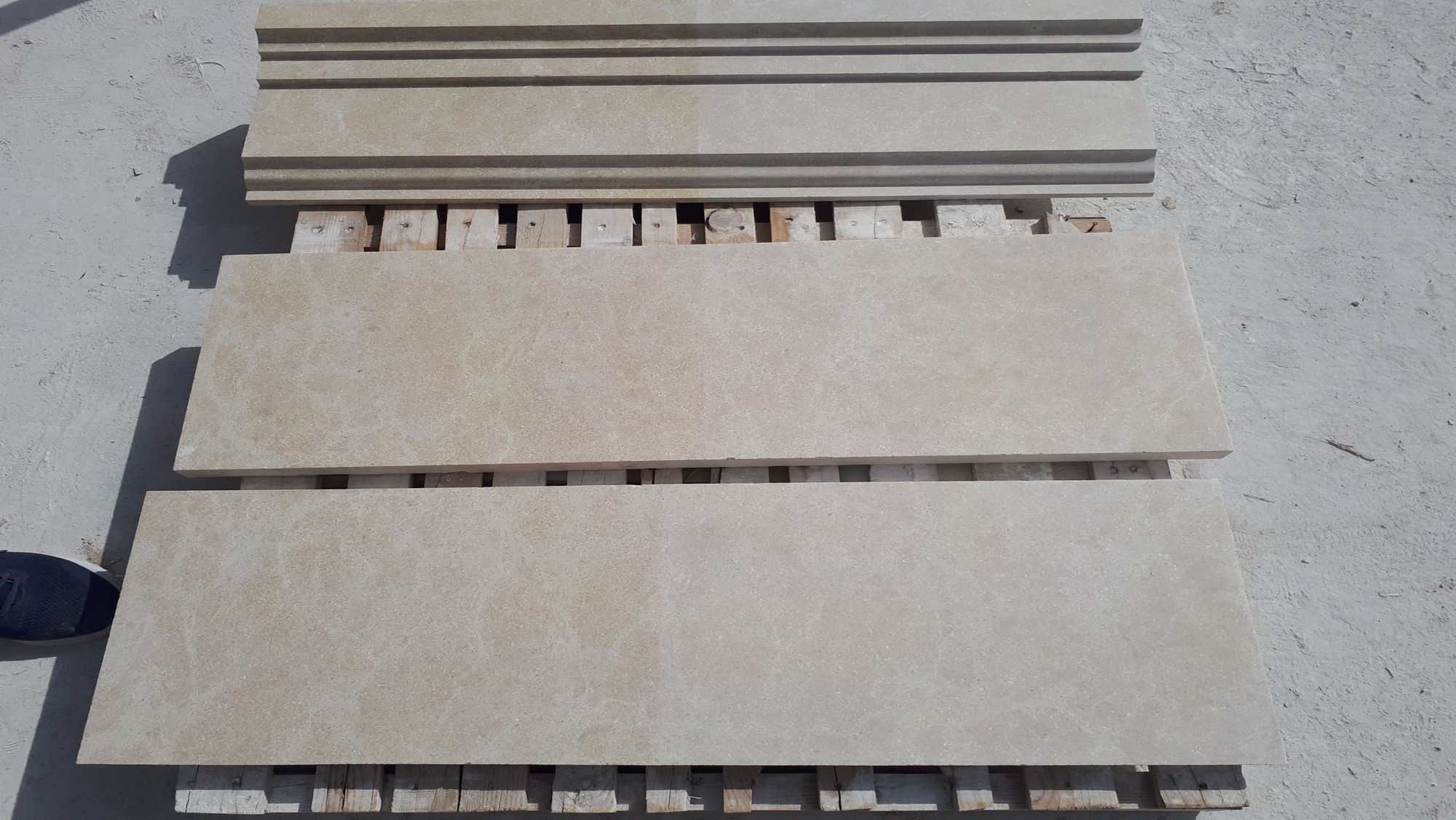
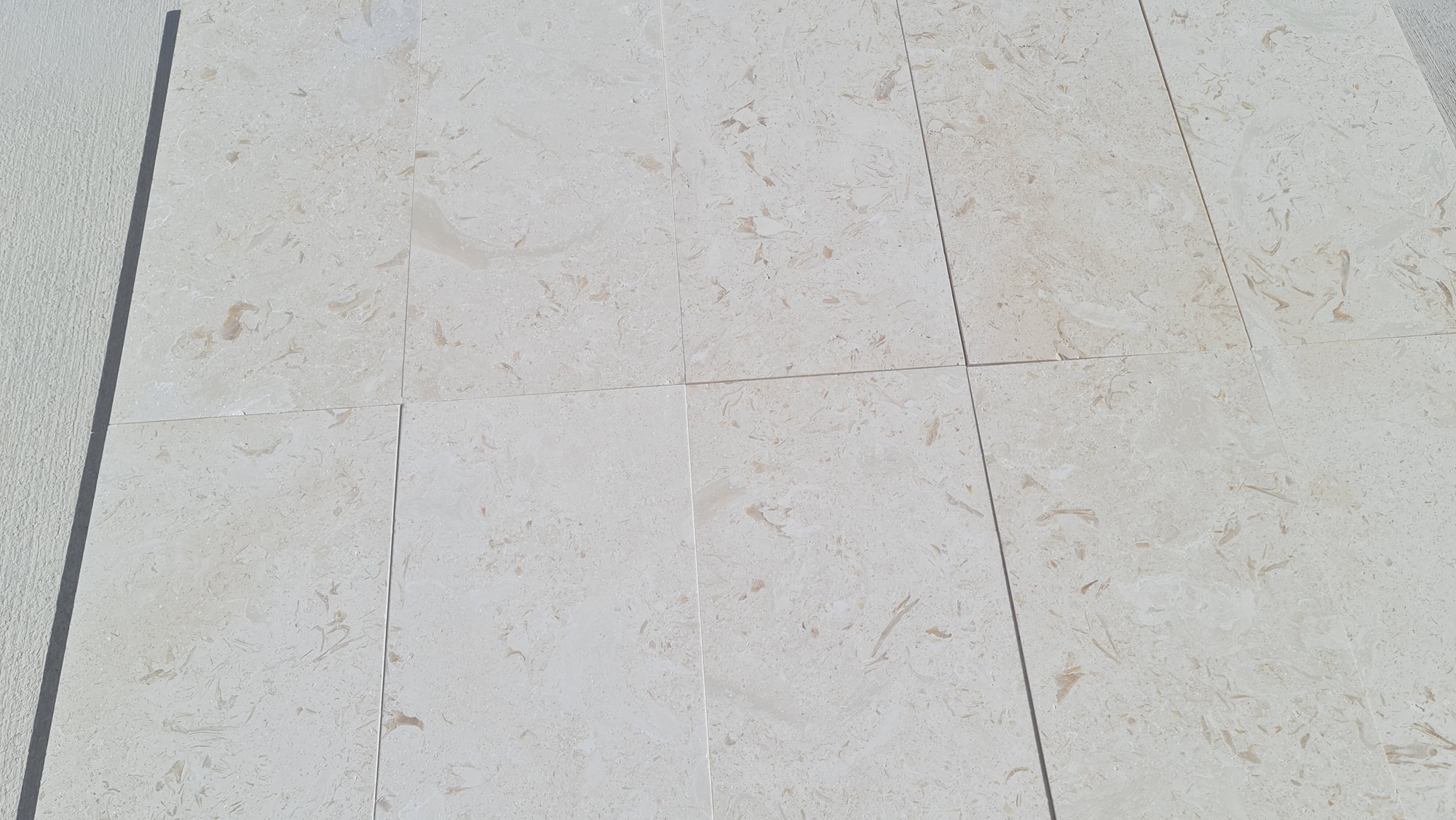
Interior Limestone Flooring for Residential, Hotel and Commercial Projects
DMR Limestone manufactures and supplies premium interior limestone flooring for luxury residences, villas, hotels, resorts, restaurants, offices, commercial buildings and architectural projects worldwide.
Natural limestone creates a refined, calm and timeless interior surface.
Its white, cream and beige tones can complement modern, classical, Mediterranean, minimalist and traditional interior design.
Limestone flooring may be used in:
- Entrance halls
- Living rooms
- Dining rooms
- Kitchens
- Corridors
- Hotel lobbies
- Reception areas
- Restaurants
- Retail spaces
- Offices
- Lift lobbies
- Stair landings
- Bathrooms
- Conservatories
- Libraries
- Galleries
- Indoor pool areas
- Spa environments
- Covered courtyards
DMR Limestone can manufacture interior flooring according to:
- Architectural floor plans
- Interior-design layouts
- Tile schedules
- Room schedules
- Cutting lists
- Pattern drawings
- Joint layouts
- Thickness requirements
- Surface-finish requirements
- Project quantities
Our interior limestone flooring products may include:
- Standard limestone tiles
- Large-format floor panels
- Rectangular tiles
- Square tiles
- Modular patterns
- Random-length flooring
- French-pattern sets
- Custom borders
- Floor inlays
- Stair treads
- Thresholds
- Skirting
- Curved floor pieces
- Cut-to-size stone panels
Why Choose Limestone for Interior Flooring?
Limestone has been used in important residential, hospitality and civic interiors for centuries.
Its natural texture and soft colour range create an interior that feels elegant without appearing excessively reflective or decorative.
The main advantages of limestone flooring include:
- Authentic natural stone appearance
- White, cream and beige colour options
- Compatibility with modern and traditional interiors
- Multiple tile sizes
- Large-format slab options
- Custom floor patterns
- Smooth or textured finishes
- Coordination with stairs and wall panels
- Suitable for residential and commercial interiors
- Compatibility with selected underfloor-heating systems
- Ability to manufacture custom thresholds and borders
- Natural fossil and shell characteristics
- Long-term architectural value when correctly specified
- Repair and replacement potential
- Project-specific piece numbering
Limestone flooring can be coordinated with matching:
- Limestone tiles
- Limestone slabs
- Limestone stairs
- Limestone fireplace surrounds
- Cut to size limestone
Turkish Limestone Interior Flooring
Turkey is internationally recognised for its natural stone resources and stone-processing industry.
Turkish limestone is suitable for interior flooring because of its:
- Natural light colour range
- Fine architectural appearance
- Availability in tiles and slabs
- Compatibility with precision cutting
- Ability to receive smooth and textured finishes
- Suitability for custom formats
- Coordination with exterior stone products
- Availability for international export
- Suitability for both residential and commercial architecture
DMR Limestone supplies Turkish limestone flooring to architects, interior designers, contractors, developers, importers and natural stone distributors.
Learn more about our material range on the Turkish limestone page.
White Limestone Interior Floors
White limestone creates a bright, calm and contemporary interior.
It is frequently selected for:
- Modern villas
- Luxury entrance halls
- Hotel lobbies
- Coastal residences
- Minimalist living rooms
- Galleries
- Boutique retail spaces
- Restaurants
- High-end offices
White limestone works especially well with:
- Timber furniture
- Black metal details
- Bronze finishes
- Neutral fabrics
- Natural plaster
- Glass
- Contemporary lighting
- Minimalist joinery
- Soft grey and beige interiors
DMR Limestone supplies selected white limestone for tiles, slabs, stairs and custom flooring components.
Natural pores, fossils, shell fragments and tonal variation are expected characteristics of authentic limestone.
Limra Limestone Interior Flooring
Limra limestone is a light cream to white natural stone quarried in the Antalya region of Turkey.
Its refined appearance makes it suitable for:
- Villa flooring
- Hotel lobbies
- Living rooms
- Corridors
- Reception areas
- Staircases
- Fireplace zones
- Interior wall panels
- Commercial interiors
- Luxury residential entrances
Limra limestone can be processed with honed, brushed, sanded and project-specific finishes.
The final finish should be selected according to traffic, slip-resistance requirements, maintenance and interior design.
Beige Limestone Interior Flooring
Beige limestone creates a warmer and more traditional interior atmosphere.
It is suitable for:
- Mediterranean villas
- Country houses
- Classical residences
- Boutique hotels
- Restaurants
- Courtyard houses
- Heritage-style commercial properties
- Rustic-modern interiors
Beige limestone complements:
- Timber
- Bronze
- Terracotta
- Warm plaster colours
- Traditional furniture
- Natural fabrics
- Classical fireplaces
Explore our beige limestone range.
Limestone Flooring for Luxury Residences
Luxury residential interiors may use limestone throughout several connected spaces.
Applications may include:
- Main entrance halls
- Double-height foyers
- Living rooms
- Dining rooms
- Kitchens
- Libraries
- Corridors
- Stair landings
- Indoor pool areas
- Conservatories
- Fireplace zones
- Guesthouse interiors
A coordinated residential stone package may include:
- Interior flooring
- Stair treads and risers
- Fireplace surrounds
- Window sills
- Wall panels
- Bathroom stone
- Thresholds
- Exterior terrace paving
Visit our luxury residential projects and villa facades pages.
Limestone Flooring for Hotels and Resorts
Hotels and resorts may use limestone in:
- Main lobbies
- Reception areas
- Lift lobbies
- Guestroom corridors
- Restaurants
- Bars
- Spa entrances
- Conference facilities
- Resort villas
- Staircases
- Covered courtyards
- Indoor pool areas
Hotel flooring specifications should consider:
- Pedestrian traffic
- Luggage
- Trolleys
- Cleaning machines
- Entrance moisture
- Food and drink
- Maintenance schedules
- Replacement access
- Slip resistance
DMR Limestone can package flooring according to:
- Building
- Floor
- Room
- Lobby zone
- Villa number
- Installation sequence
Visit our hotel and resort projects page.
Limestone Flooring for Commercial Buildings
Commercial interiors may use limestone in:
- Office lobbies
- Corporate headquarters
- Retail entrances
- Showrooms
- Restaurants
- Cultural buildings
- Galleries
- Lift lobbies
- Public corridors
- Conference facilities
- Reception areas
Commercial flooring should be selected according to:
- Traffic volume
- Abrasion
- Slip resistance
- Cleaning equipment
- Entrance dirt
- Joint design
- Maintenance frequency
- Accessibility
- Replacement planning
Visit our commercial buildings page.
Limestone Flooring for Restaurants
Limestone can create a warm and refined restaurant interior.
Applications include:
- Dining floors
- Entrance areas
- Bar surroundings
- Private dining rooms
- Corridors
- Fireplace zones
- Covered courtyards
Restaurant flooring should consider:
- Food and drink spills
- Oil
- Wine
- Acidic substances
- Frequent cleaning
- Furniture movement
- Heavy pedestrian traffic
- Slip resistance
Limestone is sensitive to acidic substances, so prompt cleaning and a suitable maintenance system are important.
Limestone Flooring for Retail Spaces
Luxury retail and showroom interiors may use limestone for:
- Entrance flooring
- Main sales floors
- Display zones
- Changing-room corridors
- Feature platforms
- Stair landings
- Reception areas
Large-format limestone can help create a clean, premium and continuous appearance.
Limestone Flooring for Offices
Office interiors may use limestone in:
- Main lobbies
- Reception floors
- Executive areas
- Lift lobbies
- Conference spaces
- Atriums
- Feature corridors
Office projects may combine limestone floors with:
- Glass partitions
- Timber wall panels
- Bronze detailing
- Stone reception desks
- Limestone wall panels
- Architectural lighting
Limestone Flooring for Cultural Buildings
Museums, galleries and cultural spaces may use limestone for:
- Entrance halls
- Exhibition circulation
- Reception areas
- Courtyards
- Staircases
- Public foyers
- Café areas
The specification should consider:
- High traffic
- Display loads
- Cleaning
- Accessibility
- Joint alignment
- Lighting
- Acoustic requirements
- Maintenance
Large-Format Limestone Flooring
Large-format limestone panels create fewer joints and a more continuous interior surface.
They are suitable for:
- Hotel lobbies
- Luxury villas
- Commercial entrances
- Galleries
- Open-plan living rooms
- Restaurants
- Large reception areas
- Double-height halls
Large-format flooring requires careful consideration of:
- Slab dimensions
- Stone thickness
- Weight
- Subfloor flatness
- Handling
- Installation access
- Joint alignment
- Movement joints
- Lippage control
- Replacement access
Large panels should be installed by experienced natural stone contractors.
Standard Limestone Floor Tiles
Standard tiles provide flexibility, easier handling and simpler replacement.
Possible formats may include:
- Square tiles
- Rectangular tiles
- Modular tiles
- Narrow planks
- Random lengths
- Custom room modules
Tile dimensions should coordinate with:
- Room proportions
- Door openings
- Columns
- Staircases
- Furniture layouts
- Expansion joints
- Wall alignments
Explore our limestone tiles page.
Limestone Slab Flooring
Limestone slabs can be cut into large floor panels, borders, stairs and custom shapes.
Slab-based production is suitable for:
- Large-format flooring
- Custom panel schedules
- Feature floors
- Book-matched areas where visually appropriate
- Reception zones
- Fireplace areas
- Stair landings
- Custom inlays
Visit our limestone slabs page.
Square Limestone Floor Tiles
Square limestone tiles create a balanced and traditional floor layout.
They may be installed:
- In straight grids
- On a diagonal
- With contrasting borders
- With decorative inserts
- In large square modules
- In alternating sizes
Square formats work well in entrance halls, dining rooms, kitchens and courtyards.
Rectangular Limestone Floor Tiles
Rectangular tiles can visually lengthen or widen a room depending on their orientation.
Possible layouts include:
- Running bond
- Straight stack
- Offset bond
- Herringbone
- Basket-weave-inspired layouts
- Random lengths
- Alternating directions
Rectangular limestone works well in corridors, open-plan rooms and contemporary interiors.
Limestone Plank Flooring
Long, narrow limestone tiles can create a plank-style floor.
This format may be used in:
- Contemporary residences
- Restaurants
- Boutique hotels
- Retail interiors
- Corridors
- Living rooms
Stone planks require careful control of:
- Flatness
- Warping
- Subfloor preparation
- Joint width
- Lippage
- Pattern layout
Random-Length Limestone Flooring
Random-length flooring uses consistent widths with varying lengths.
It can create a relaxed and traditional appearance.
It is suitable for:
- Country houses
- Mediterranean villas
- Boutique hotels
- Restaurants
- Courtyard interiors
- Rustic-modern spaces
The layout should avoid repetitive cross joints and excessive short pieces.
Modular Limestone Flooring
Modular flooring combines several coordinated tile sizes.
It can create greater visual variety than a single repeated size.
Modular patterns are suitable for:
- Large residential spaces
- Hotel lobbies
- Restaurants
- Courtyards
- Mediterranean interiors
- Traditional properties
French-Pattern Limestone Flooring
French-pattern flooring uses a repeating set of square and rectangular tiles.
It is frequently selected for:
- Mediterranean residences
- Country houses
- Traditional hotels
- Courtyards
- Restaurants
- Rustic luxury interiors
Pattern dimensions and grout-joint widths should be confirmed before production.
Limestone Herringbone Flooring
Rectangular limestone tiles can be installed in herringbone layouts.
This pattern may be used in:
- Entrance halls
- Dining rooms
- Boutique retail spaces
- Restaurants
- Feature zones
- Corridors
Herringbone layouts require:
- Accurate tile dimensions
- Detailed setting-out
- Controlled joint widths
- Additional edge cutting
- Professional installation
Diagonal Limestone Flooring
Square or rectangular limestone may be installed diagonally to the room.
Diagonal layouts can:
- Create visual movement
- Make small spaces appear wider
- Emphasise entrance halls
- Create decorative borders
They generally require more perimeter cutting than straight layouts.
Limestone Borders
Borders can define rooms, circulation routes and feature zones.
They may be produced as:
- Narrow limestone strips
- Contrasting stone bands
- Double borders
- Geometric frames
- Darker or lighter limestone
- Moulded transition pieces
- Custom CNC-cut elements
Borders can be used around:
- Entrance halls
- Dining areas
- Fireplaces
- Reception desks
- Staircases
- Feature floors
Limestone Floor Inlays
Custom floor inlays may include:
- Geometric patterns
- Logos
- Monograms
- Compass designs
- Decorative medallions
- Contrasting stone inserts
- Metal inlays
- Room-number markers
Waterjet or CNC production may be used depending on the design.
Limestone Floor Medallions
Decorative medallions can become focal points in:
- Villa entrance halls
- Hotel lobbies
- Classical residences
- Commercial reception areas
- Formal dining rooms
The design should be supplied as a dimensioned drawing or suitable digital file.
Book-Matched Limestone Flooring
Selected limestone slabs may allow visually coordinated or book-matched floor layouts.
Suitability depends on:
- Stone structure
- Slab appearance
- Veining or fossil direction
- Available slab sequence
- Panel size
- Project quantity
Not every limestone has strong veining suitable for dramatic book matching.
Continuous Indoor–Outdoor Flooring
Limestone can create visual continuity between interior rooms and exterior terraces.
Possible transitions include:
- Living room to terrace
- Kitchen to courtyard
- Lobby to entrance plaza
- Pool house to pool deck
- Restaurant to outdoor dining area
Interior and exterior pieces may use the same limestone but different finishes.
For example:
- Honed interior flooring
- Brushed exterior paving
- Sandblasted pool-area stone
The transition should coordinate:
- Floor levels
- Drainage
- Waterproofing
- Door thresholds
- Movement joints
- Slip resistance
Limestone Entrance Hall Flooring
Entrance halls may require:
- Large-format tiles
- Decorative borders
- Floor medallions
- Stair integration
- Reception-style stonework
- High-quality surface finishing
Entrance floors should also consider:
- External dirt
- Water from footwear
- Entrance mats
- Slip resistance
- Cleaning
- Heavy furniture
- Door clearances
Limestone Living-Room Floors
Limestone can create a calm and luxurious surface in living areas.
It works well with:
- Large rugs
- Timber furniture
- Natural fabrics
- Fireplaces
- Underfloor heating
- Minimalist joinery
- Contemporary lighting
Large-format tiles can reduce visible joints in open-plan spaces.
Limestone Dining-Room Floors
Dining areas may use honed or lightly textured limestone.
The specification should consider:
- Food and drink spills
- Chair movement
- Table loads
- Cleaning
- Sealing
- Acidic substances
- Joint staining
Protective furniture pads and prompt spill cleaning are recommended.
Limestone Kitchen Floors
Limestone is widely used in luxury kitchens and open-plan residential spaces.
Kitchen flooring should consider:
- Oil
- Wine
- Citrus
- Vinegar
- Cleaning chemicals
- Dropped objects
- Heavy cabinetry
- Appliances
- Water exposure
Limestone is sensitive to acidic substances, so a suitable sealer and maintenance programme may be beneficial.
Limestone Bathroom Flooring
Limestone can be used in selected bathroom applications.
The specification should consider:
- Wet-area slip resistance
- Waterproofing
- Drainage
- Sealing
- Soap deposits
- Cleaning chemicals
- Ventilation
- Underfloor heating
- Joint maintenance
Smooth honed finishes should be carefully evaluated for wet bathroom floors.
Limestone Shower Floors
Limestone may be considered for shower floors only when the selected stone, finish, drainage and waterproofing system are suitable.
The design should consider:
- Smaller tile modules for falls
- Slip resistance
- Drainage
- Waterproofing
- Pooling
- Soap and shampoo
- Cleaning
- Sealing
- Maintenance
Large flat panels may not be suitable where multiple drainage falls are required.
Limestone Spa Flooring
Spa and wellness interiors may use limestone in:
- Reception areas
- Relaxation zones
- Treatment-room entrances
- Pool surrounds
- Thermal suites
- Changing areas
Spa projects should evaluate:
- Continuous humidity
- Wet barefoot traffic
- Heat
- Cleaning chemicals
- Drainage
- Slip resistance
- Surface comfort
- Sealing
Limestone Indoor Pool Flooring
Indoor pool environments require careful material selection.
Limestone may be used for:
- Pool-deck flooring
- Changing areas
- Pool-house interiors
- Spa corridors
- Wall panels
- Pool coping
The design should consider:
- Humidity
- Chlorine or salt exposure
- Wet-area slip resistance
- Drainage
- Ventilation
- Cleaning
- Surface roughness
- Sealing
Visit our pool surrounds page.
Limestone Conservatory Flooring
Conservatories and garden rooms may use limestone to connect the interior with the landscape.
These areas should consider:
- Direct sunlight
- Temperature changes
- Moisture
- Plant irrigation
- Soil
- Indoor–outdoor transitions
- Underfloor heating
Limestone Fireplace Flooring and Hearths
Limestone can be used around fireplaces for:
- Hearths
- Floor borders
- Raised platforms
- Fireplace-wall transitions
- Mantel bases
Heat exposure, clearances and fire regulations should be confirmed by qualified professionals.
Visit our limestone fireplace surrounds page.
Limestone Flooring Around Staircases
Flooring can be coordinated with matching stairs, landings and skirting.
A complete staircase package may include:
- Floor tiles
- Stair treads
- Risers
- Landings
- Skirting
- Nosing profiles
- Side cladding
Explore our limestone stairs page.
Limestone Thresholds
Thresholds may be used at:
- Exterior doors
- Interior doors
- Bathrooms
- Balconies
- Terraces
- Lift entrances
- Changes between flooring materials
Custom thresholds may include:
- Slopes
- Rebates
- Drip details
- Polished or honed edges
- Door-frame notches
- Accessibility transitions
Thresholds should coordinate with door systems, waterproofing and floor levels.
Limestone Skirting
Matching limestone skirting can create a finished transition between floors and walls.
Options may include:
- Straight skirting
- Recessed skirting
- Flush skirting
- Bevelled skirting
- Moulded skirting
- Tall classical skirting
- Curved skirting
- Stair skirting
Skirting can be manufactured from the same stone and finish as the floor.
Limestone Floor Vents and Access Panels
Custom stone may be fabricated around:
- Floor vents
- Heating grilles
- Electrical boxes
- Access panels
- Drain covers
- Floor sockets
- Service hatches
Production may include:
- Cut-outs
- Rebates
- Removable stone panels
- Ventilation slots
- Metal-frame coordination
Surface Finishes for Interior Limestone Flooring
Honed Limestone Flooring
Honed limestone has a smooth, matte surface.
It is one of the most common finishes for interior limestone floors.
It is suitable for:
- Living rooms
- Hotel lobbies
- Entrances
- Dining rooms
- Offices
- Retail interiors
- Corridors
Honed limestone provides a refined appearance without the high reflection of polished stone.
Fine-Honed Limestone
A fine-honed finish can create a smoother appearance with subtle light reflection.
It may be suitable for:
- Luxury residential interiors
- Reception areas
- Feature rooms
- Formal living spaces
Slip resistance and maintenance should be evaluated according to the application.
Brushed Limestone Flooring
Brushed limestone has a lightly textured surface.
It may be used for:
- Rustic-modern interiors
- Kitchens
- Conservatories
- Entrance areas
- Interior–exterior transitions
- Mediterranean homes
Tumbled Limestone Flooring
Tumbled limestone has softened edges and an aged appearance.
It is suitable for:
- Country houses
- Mediterranean villas
- Traditional kitchens
- Courtyards
- Boutique hotels
- Rustic interiors
Tumbled tiles often use slightly wider joints than precision-cut modern flooring.
Sanded Limestone Flooring
A sanded surface may provide a smooth but low-reflective texture.
It can be used for:
- Contemporary interiors
- Residential floors
- Hotel areas
- Commercial interiors
The final texture should be approved through physical samples.
Sandblasted Interior Limestone
Sandblasted limestone may be used in selected interior areas where a stronger texture is required.
Applications may include:
- Entrance zones
- Interior pool areas
- Commercial transitions
- Wet-area circulation
Rougher textures may be harder to clean and should be evaluated accordingly.
Polished Limestone
Some limestone can receive a higher-sheen finish, but the achievable reflection depends on the material.
Polished limestone may:
- Show fossils and colour more strongly
- Be more sensitive to visible etching
- Be less suitable for wet floors
- Require careful maintenance
The selected limestone should be tested to confirm the desired finish.
Choosing the Right Finish
The most suitable finish depends on:
- Interior style
- Traffic
- Wet or dry conditions
- Slip resistance
- Cleaning
- Surface comfort
- Maintenance expectations
- Natural stone characteristics
A physical sample should be approved before production.
Slip Resistance for Interior Limestone Floors
Slip resistance should be considered in:
- Entrances
- Kitchens
- Bathrooms
- Hotel lobbies
- Restaurants
- Spa areas
- Indoor pools
- Commercial corridors
- Stair landings
The required performance depends on:
- Wet or dry conditions
- Footwear
- Barefoot use
- Surface finish
- Cleaning
- Traffic
- Local regulations
- Surface wear
A visually matte or textured finish does not automatically meet every project requirement.
Testing may be required.
Limestone Flooring and Underfloor Heating
Limestone can be compatible with properly designed underfloor-heating systems.
Potential benefits include:
- Even heat distribution
- Comfortable surface temperature
- Reduced need for visible radiators
- Compatibility with open-plan interiors
The system should consider:
- Heating type
- Screed design
- Thermal movement
- Stone thickness
- Adhesive compatibility
- Movement joints
- Controlled heating cycles
- Subfloor moisture
- Maximum operating temperatures
The heating system should be commissioned gradually according to professional guidance.
Electric Underfloor Heating
Electric systems may be installed beneath selected limestone flooring when:
- The substrate is suitable
- The heating mat is fully embedded
- Compatible adhesives are used
- Movement joints are provided
- Temperature is controlled
- The system is tested before installation
Hydronic Underfloor Heating
Water-based systems may be installed within screeds beneath limestone.
The screed should be:
- Properly cured
- Dry enough for stone installation
- Designed for heating cycles
- Divided with suitable movement joints
- Flat and stable
Heating should not be turned on suddenly after installation.
Thermal Movement
Limestone, adhesive, screed and structural slabs may expand and contract differently.
The floor design should allow for:
- Temperature changes
- Underfloor heating
- Direct sunlight
- Building movement
- Screed shrinkage
- Large room dimensions
Movement joints should not be rigidly covered with stone.
Subfloor Preparation
The quality of the subfloor strongly affects limestone flooring performance.
The substrate should be:
- Structurally sound
- Stable
- Clean
- Flat
- Properly cured
- Free from excessive moisture
- Compatible with the adhesive
- Designed for expected loads
Uneven substrates may cause:
- Lippage
- Hollow spots
- Cracking
- Poor adhesion
- Uneven joints
Concrete Subfloors
Concrete should be evaluated for:
- Curing
- Moisture
- Cracks
- Flatness
- Structural movement
- Surface contamination
- Existing coatings
Cracks should be assessed by qualified professionals before stone installation.
Screed Subfloors
Screeds should be:
- Properly mixed
- Fully cured
- Dry
- Flat
- Stable
- Compatible with the installation system
Heated screeds require additional commissioning and moisture checks.
Timber Subfloors
Stone flooring over timber structures requires specialist design because timber may flex and move.
The assembly may require:
- Structural reinforcement
- Deflection control
- Suitable boards
- Decoupling membranes
- Compatible adhesives
- Movement joints
- Load review
Limestone should not be installed over flexible timber floors without professional assessment.
Raised Flooring Systems
Selected limestone panels may be used in raised-floor systems where professionally engineered.
The design should consider:
- Panel thickness
- Support spacing
- Point loads
- Deflection
- Edge support
- Access requirements
- Replacement
- Stone strength
Decoupling Membranes
Decoupling or crack-isolation membranes may be considered to reduce the transfer of certain substrate movements.
Suitability depends on:
- Substrate
- Stone type
- Adhesive system
- Heating
- Moisture
- Manufacturer recommendations
A membrane does not correct structural movement or an unstable substrate.
Limestone Adhesives
The adhesive should be suitable for:
- Natural limestone
- Tile dimensions
- Substrate
- Interior conditions
- Underfloor heating
- Moisture
- Required bed thickness
Light-coloured adhesives may be preferred for some light limestone materials to reduce potential visual effects.
The complete system should follow the adhesive manufacturer’s technical guidance.
Full-Bed Installation
Limestone tiles should generally receive full and consistent support.
Voids beneath stone may contribute to:
- Cracking
- Hollow sounds
- Point loading
- Moisture accumulation
- Uneven heat transfer
- Reduced durability
Large-format panels may require specialist back-buttering and bedding techniques.
Limestone Grout
Grout selection should consider:
- Joint width
- Stone colour
- Surface finish
- Staining
- Cleaning
- Movement
- Underfloor heating
- Wet-area use
A grout sample should be tested with the limestone before full installation.
Grout Colour
Grout may be:
- Colour matched
- Slightly lighter
- Slightly darker
- Contrasting
Colour-matched grout creates a more continuous appearance, while contrasting grout emphasises the tile pattern.
Joint Width
Joint width depends on:
- Tile dimensions
- Edge calibration
- Surface finish
- Pattern
- Substrate
- Installation tolerances
- Interior style
Tumbled flooring generally uses wider joints than precision-cut honed tiles.
Natural stone should not automatically be installed with joints that are too narrow to accommodate dimensional variation.
Movement Joints
Movement joints should be incorporated according to:
- Structural joints
- Room dimensions
- Heating zones
- Changes in substrate
- Doorways
- Columns
- Large floor areas
- Direct sunlight
- Perimeter conditions
Existing structural movement joints must be continued through the stone finish.
Perimeter Joints
The floor should generally be separated from walls, columns and fixed building elements with suitable perimeter movement allowance.
This helps accommodate:
- Thermal expansion
- Screed movement
- Building movement
- Underfloor heating
Limestone Tile Thickness
Interior tile thickness depends on:
- Tile size
- Stone characteristics
- Substrate
- Traffic
- Installation method
- Edge profile
- Structural requirements
Possible thicknesses may include:
- 10 mm
- 12 mm
- 15 mm
- 20 mm
- 30 mm
- Custom thicknesses
Not every limestone or format is available or suitable in every thickness.
Large-Format Panel Thickness
Large panels may require greater thickness or reinforcement depending on:
- Length and width
- Stone structure
- Handling
- Support
- Cut-outs
- Installation
- Traffic
- Replacement access
Project-specific review is required.
Limestone Floor Flatness and Lippage
Large tiles require a very flat substrate.
Lippage may be affected by:
- Tile warping
- Subfloor variation
- Installation
- Joint width
- Tile length
- Lighting
- Pattern
Low-angle natural or artificial lighting can make even small differences more visible.
Lighting and Limestone Floors
Interior lighting can significantly affect the appearance of natural stone.
Consider:
- Daylight direction
- Floor-to-ceiling windows
- Low-level lighting
- Spotlights
- Colour temperature
- Reflections
- Joint shadows
- Surface finish
Samples should be reviewed under lighting similar to the final space.
Natural Variation
Limestone may contain:
- Fossils
- Shell fragments
- Pores
- Veins
- Colour variation
- Sedimentary markings
- Small natural voids
These features are part of the material’s character.
A representative range sample should be approved rather than relying on a single small piece.
Filling Natural Pores
Some limestone may contain natural pores or voids.
Depending on the material and specification, these may be:
- Left open
- Factory filled
- Site filled
- Filled with colour-matched material
- Partially filled
The approved sample should confirm the expected appearance.
Colour Blending
For larger floors, colour blending may be organised according to:
- Room
- Building
- Floor
- Installation zone
- Tile batch
- Approved colour range
Tiles may be dry laid or mixed from several crates during installation to avoid visible concentration of similar tones.
Dry Layout
Selected flooring projects may benefit from factory or site dry layout.
Dry layouts can help review:
- Colour distribution
- Fossil variation
- Panel sequence
- Borders
- Inlays
- Book-matching
- Joint alignment
- Piece numbering
Floor Piece Numbering
Custom floor panels can be numbered according to:
- Building
- Floor
- Room
- Grid
- Panel sequence
- Border
- Inlay
- Stair landing
- Crate number
Piece numbering is especially useful for large-format, patterned and cut-to-size flooring.
Custom Cut to Size Flooring
Our cut to size limestone services may include:
- Large floor panels
- Custom tile sizes
- Curved pieces
- Borders
- Thresholds
- Skirting
- Floor vents
- Access panels
- Stair landings
- Fireplace hearths
- Inlays
- Logos
- Numbered flooring components
CNC and Waterjet Floor Fabrication
CNC and waterjet processing may be used for:
- Geometric floor patterns
- Curved panels
- Decorative medallions
- Logos
- Inlays
- Vent openings
- Service access panels
- Column cut-outs
- Custom borders
The suitability of each method depends on stone thickness, detail and edge requirements.
Limestone Flooring Production Process
A typical interior flooring project may include:
- Review of floor plans and schedules
- Limestone selection
- Surface-finish sampling
- Colour-range approval
- Tile-size confirmation
- Pattern and joint-layout review
- Slab or block cutting
- Thickness calibration
- Surface finishing
- Edge processing
- Custom cutting
- Border and inlay production
- Dimensional inspection
- Dry layout where required
- Piece numbering
- Packaging
- Crate-list preparation
Quality Control
Quality-control procedures may include:
- Limestone selection
- Colour-range review
- Thickness control
- Length and width checks
- Squareness checks
- Surface-finish inspection
- Edge inspection
- Flatness review
- Custom-cut verification
- Border and inlay checks
- Piece-number control
- Packaging inspection
Natural variation should be managed according to approved samples.
Packaging Interior Limestone Flooring
Flooring products should be packaged to reduce edge and surface damage.
Packaging may include:
- Reinforced wooden crates
- Pallets
- Vertical slab frames
- Foam separators
- Edge protectors
- Surface protection
- Piece labels
- Room references
- Floor references
- Crate lists
Packaging by Room and Floor
Crates can be organised according to:
- Building
- Floor
- Room
- Lobby
- Corridor
- Villa number
- Commercial unit
- Installation sequence
This can reduce unnecessary handling and make site organisation easier.
Site Storage
Limestone flooring should be stored:
- On a stable surface
- Away from mud
- Protected from impact
- In dry, ventilated conditions
- According to crate labels
- Near the installation sequence where practical
- Away from acidic chemicals
Stone should be inspected before installation.
Limestone Flooring Installation
Installation should be completed by experienced natural stone contractors.
A typical process may include:
- Inspecting the substrate
- Confirming moisture and flatness
- Reviewing tile layout
- Establishing control lines
- Dry laying selected areas
- Applying compatible adhesive or mortar
- Installing stone with full support
- Controlling joints and lippage
- Installing movement joints
- Allowing suitable curing
- Grouting
- Cleaning
- Sealing where specified
- Protecting the completed floor
Construction Protection
Completed limestone floors should be protected during ongoing construction.
Protection should:
- Prevent scratching
- Avoid trapping moisture
- Protect against paint and chemicals
- Resist impact
- Allow suitable ventilation
- Remain clean underneath
- Avoid adhesive tape staining
Protection should not be removed until heavy construction work is complete.
Initial Cleaning
After installation, limestone should be cleaned with products suitable for calcium-based natural stone.
Avoid:
- Acidic cement removers
- Vinegar
- Harsh descalers
- Incompatible grout haze removers
- Abrasive pads
- Strong alkaline products without testing
Limestone Sealing
A suitable natural stone sealer may help reduce staining from:
- Food
- Drinks
- Oils
- Dirt
- Moisture
- Cosmetics
The sealer should:
- Be suitable for limestone
- Be suitable for interior floors
- Be tested on a sample
- Avoid unwanted colour change
- Avoid creating excessive slipperiness
- Be compatible with underfloor heating
- Be maintained according to manufacturer guidance
Sealing does not make limestone completely stain proof.
Cleaning Interior Limestone Floors
Recommended cleaning practices include:
- Vacuum or sweep grit regularly
- Use pH-neutral natural stone cleaners
- Clean spills promptly
- Use clean mop water
- Place mats at entrances
- Protect furniture legs
- Avoid acidic products
- Avoid vinegar
- Avoid harsh abrasive cleaners
- Test products before use
Stain Prevention
Common staining risks include:
- Wine
- Coffee
- Tea
- Oil
- Food
- Cosmetics
- Mud
- Metal rust
- Plant pots
- Cleaning products
Prompt cleaning is more effective than allowing spills to remain on the stone.
Acid Etching
Limestone contains calcium carbonate and is sensitive to acids.
Acidic substances may cause dull marks or surface etching.
Potential sources include:
- Lemon juice
- Vinegar
- Wine
- Soft drinks
- Acidic cleaners
- Descaling products
- Some bathroom cleaners
Etching is a chemical surface change and may require professional refinishing rather than simple cleaning.
Scratch Prevention
Grit and sand can scratch interior limestone floors.
Preventive measures include:
- Entrance mats
- Regular dust removal
- Furniture pads
- Careful movement of appliances
- Protective coverings during construction
- Avoiding dragging heavy objects
Professional Refinishing
Over time, selected limestone floors may be professionally:
- Deep cleaned
- Honed
- Refinished
- Refilled
- Resealed
- Locally repaired
The appropriate method depends on the stone, finish and type of damage.
Limestone Flooring in Cold Climates
Interior limestone floors in cold climates may benefit from:
- Underfloor heating
- Entrance moisture control
- Suitable movement joints
- Dry storage before installation
- Controlled indoor conditions
Exterior de-icing salts carried indoors on footwear should be removed regularly.
Limestone Flooring in Hot Climates
Hot-climate interiors may experience:
- Strong direct sunlight
- Thermal changes
- Air-conditioning cycles
- Large glazed areas
- Dust
Movement joints and shading should be considered in areas with significant solar exposure.
Limestone Flooring for Renovation Projects
Limestone may be used when renovating:
- Villas
- Hotels
- Restaurants
- Offices
- Retail spaces
- Heritage residences
- Commercial lobbies
Renovation work should evaluate:
- Existing floor levels
- Structural capacity
- Old adhesives
- Moisture
- Cracks
- Door clearances
- Stair heights
- Thresholds
- Underfloor services
Limestone Flooring for Restoration Projects
Historic flooring may require:
- Replacement tiles
- Matching dimensions
- Reproduced borders
- Traditional patterns
- Custom thresholds
- Aged finishes
- Matching joint widths
- Replacement stair landings
Visit our restoration projects page.
Interior Flooring Drawings
Useful production information may include:
- Architectural floor plans
- Interior-design layouts
- Tile plans
- Joint layouts
- Room schedules
- Border details
- Inlay drawings
- Stair plans
- Threshold details
- Floor-vent locations
- Cutting lists
- CAD files
- Finish schedules
- Quantity schedules
Tile Schedules
A detailed flooring schedule may include:
- Room
- Tile size
- Thickness
- Surface finish
- Edge finish
- Quantity
- Pattern
- Joint width
- Border type
- Skirting
- Threshold
- Drawing reference
- Crate number
Full-Size Flooring Mock-Ups
A flooring mock-up can help evaluate:
- Stone colour
- Natural variation
- Fossils
- Surface finish
- Joint width
- Grout colour
- Lippage
- Sealer effect
- Cleaning
- Lighting
The approved mock-up can become the quality reference for production and installation.
Limestone for Architects
DMR Limestone supports architects with project-specific interior flooring production.
Support may include:
- Material samples
- Surface-finish samples
- Tile-size development
- Pattern review
- Large-format panels
- Custom borders
- Inlays
- Thresholds
- Stair coordination
- Piece numbering
- Packaging planning
Visit our architects page.
Limestone for Interior Designers
Interior designers can specify limestone for:
- Flooring
- Feature walls
- Fireplaces
- Staircases
- Skirting
- Thresholds
- Bathroom areas
- Reception desks
- Decorative inlays
- Custom furniture elements
Detailed plans and finish samples should be approved before production.
Limestone for Contractors
Contractors should provide:
- Total floor area
- Tile dimensions
- Thickness
- Surface finish
- Pattern
- Joint width
- Border details
- Skirting quantities
- Threshold dimensions
- Room schedules
- Project location
- Delivery destination
- Production programme
Visit our contractors page.
Limestone for Importers and Distributors
DMR Limestone supplies flooring to importers, distributors, tile companies, stone contractors and architectural material suppliers.
Orders may include:
- Standard floor tiles
- Large-format tiles
- Modular patterns
- Random-length flooring
- French-pattern sets
- Skirting
- Thresholds
- Stair treads
- Slabs
- Private-label collections
- Mixed product containers
Visit our importers and stone distributors pages.
Why Choose DMR Limestone?
DMR Limestone manufactures project-specific Turkish limestone flooring for international residential, hotel and commercial interiors.
Our capabilities include:
- Standard limestone floor tiles
- Large-format floor panels
- Square and rectangular tiles
- Random-length flooring
- Modular patterns
- French-pattern sets
- Herringbone tiles
- Borders
- Inlays
- Medallions
- Thresholds
- Skirting
- Stair landings
- Fireplace hearths
- Floor vents
- Custom cut-outs
- Multiple surface finishes
- CNC and waterjet fabrication
- Colour-range management
- Piece-numbered production
- Room-specific packaging
- Export-oriented shipping preparation
From a private villa living room to a large hotel lobby or commercial entrance, DMR Limestone can manufacture coordinated interior flooring according to project-specific architectural, technical and design requirements.
Frequently Asked Questions About Interior Limestone Flooring
Is limestone suitable for interior flooring?
Yes. Selected limestone is widely used in residences, hotels, restaurants, offices, retail spaces and cultural buildings.
Is limestone flooring durable?
Limestone can provide long-term performance when the correct stone, thickness, finish, installation and maintenance system are selected.
Is limestone suitable for high-traffic areas?
Selected limestone may be suitable for commercial and hospitality interiors, subject to traffic, abrasion, maintenance and technical review.
Can limestone be used in living rooms?
Yes. Limestone is frequently used in living rooms, dining areas and open-plan residential spaces.
Can limestone be used in kitchens?
Yes, but limestone is sensitive to acidic substances, oils and staining. Sealing and prompt cleaning are important.
Can limestone be used in bathrooms?
Yes, when the stone, finish, waterproofing, slip resistance, drainage and maintenance system are appropriate.
Can limestone be used in showers?
It may be used in selected shower designs, but wet-area slip resistance, drainage, waterproofing and cleaning require careful review.
Can limestone be used around indoor pools?
Yes. Selected finishes may be suitable, but humidity, chemicals, drainage and barefoot slip resistance must be evaluated.
Is limestone suitable for hotel lobbies?
Yes. Limestone is frequently selected for luxury hotel lobbies, reception areas and public interiors.
Is limestone suitable for commercial floors?
Yes, subject to project-specific traffic, finish, thickness, maintenance and slip-resistance requirements.
Which limestone colours are available?
DMR Limestone supplies natural white, cream and beige Turkish limestone options.
Which finish is best for interior limestone flooring?
Honed limestone is a common choice, while brushed and tumbled finishes may suit more textured or traditional interiors.
Is polished limestone available?
Some limestone can receive a higher-sheen finish, but the achievable polish and suitability depend on the material.
Is honed limestone slippery?
Slip resistance depends on the specific finish, wet conditions, cleaning and wear. Testing may be required for entrances and wet areas.
Can you produce large-format limestone floor panels?
Yes. Large-format panels can be manufactured according to slab availability, thickness, handling and installation requirements.
Can you produce custom tile sizes?
Yes. Tiles can be produced according to architectural plans, modular layouts and room dimensions.
Can you produce French-pattern limestone flooring?
Yes. Coordinated square and rectangular sets can be manufactured for French-pattern layouts.
Can you produce random-length limestone flooring?
Yes. Flooring with fixed widths and varied lengths can be manufactured.
Can limestone be installed in a herringbone pattern?
Yes. Rectangular limestone tiles can be produced for herringbone layouts.
Can you manufacture floor borders?
Yes. Straight, geometric, contrasting and custom borders can be produced.
Can you produce floor medallions and inlays?
Yes. Decorative medallions, logos, monograms and geometric inlays can be manufactured.
Can you produce matching limestone skirting?
Yes. Straight, recessed, bevelled, moulded and custom skirting can be produced.
Can you manufacture door thresholds?
Yes. Thresholds can include slopes, rebates, notches and custom edge profiles.
Can you manufacture matching limestone stairs?
Yes. Treads, risers, landings and skirting can be coordinated with the floor.
Can limestone be installed over underfloor heating?
Yes, when the heating, screed, adhesive, movement joints and commissioning process are properly designed.
Can limestone be installed over timber floors?
It may be possible, but the timber structure must be stiff, stable and professionally prepared for natural stone.
Can limestone be installed on raised floors?
Selected stone panels may be suitable for professionally engineered raised-floor systems.
What thickness should limestone floor tiles have?
Thickness depends on tile dimensions, stone properties, substrate, traffic and installation method.
Can very thin limestone tiles be used?
Thin tiles may be available for selected formats, but handling, substrate flatness and stone characteristics require careful review.
Do limestone floors require movement joints?
Yes. Movement joints should coordinate with structural joints, room dimensions, heating zones and perimeter conditions.
What grout colour should be used?
Grout can be colour matched or contrasting. A sample should be tested with the limestone before full installation.
Should limestone tiles be dry laid before installation?
Dry layout is useful for reviewing colour, fossils, patterns, borders and large-format panel sequencing.
Does limestone flooring need sealing?
A suitable sealer may help reduce staining, depending on the stone, finish and application.
Does sealing make limestone stain proof?
No. Sealing may reduce absorption but does not make limestone completely resistant to staining or acids.
Can acidic cleaners be used on limestone?
No. Acidic cleaners, vinegar and harsh descaling products can etch limestone.
How should limestone floors be cleaned?
Use pH-neutral natural stone cleaners, remove grit regularly and clean spills promptly.
Can wine or lemon damage limestone?
Acidic drinks and foods may etch the surface. Spills should be cleaned promptly.
Can scratches be repaired?
Some scratches and wear may be reduced through professional honing or refinishing, depending on the stone and finish.
Can damaged tiles be replaced?
Yes. Keeping spare material from the original production batch is recommended because future stone may vary.
How much spare limestone should be ordered?
The appropriate spare quantity depends on the project size, pattern, cutting requirements and future replacement strategy. It should be agreed with the architect and contractor.
Can every custom floor panel be numbered?
Yes. Panels, borders, inlays and thresholds can be numbered according to room and installation position.
Can flooring be packaged by room?
Yes. Crates can be organised by building, floor, room, lobby, corridor or installation sequence.
Can you supply flooring and matching exterior paving?
Yes. The same limestone may be supplied with different finishes and thicknesses for interior and exterior applications.
What information is required for a quotation?
Please provide:
- Total floor area
- Architectural floor plans
- Tile or panel dimensions
- Required thickness
- Surface finish
- Pattern
- Joint width
- Border details
- Inlays or logos
- Skirting quantities
- Threshold dimensions
- Stair details
- Room schedules
- Project location
- Delivery destination
Request Interior Limestone Flooring Samples and Pricing
Are you planning limestone flooring for a villa, hotel, restaurant, office, showroom, retail space or commercial interior?
Contact DMR Limestone to request:
- Turkish limestone samples
- White and Limra limestone options
- Honed limestone samples
- Brushed and tumbled finishes
- Standard floor tiles
- Large-format floor panels
- Square and rectangular tiles
- Random-length flooring
- Modular patterns
- French-pattern sets
- Herringbone tiles
- Borders and inlays
- Floor medallions
- Skirting
- Thresholds
- Matching stairs
- Custom CNC fabrication
- Piece-numbered production
- Room-specific packaging
- Project-specific pricing
Send us your floor plans, tile dimensions, preferred finish, pattern, required quantities and delivery destination to receive a customised interior limestone flooring quotation.